The Foundations and Flourishing of Early Islamic Civilization
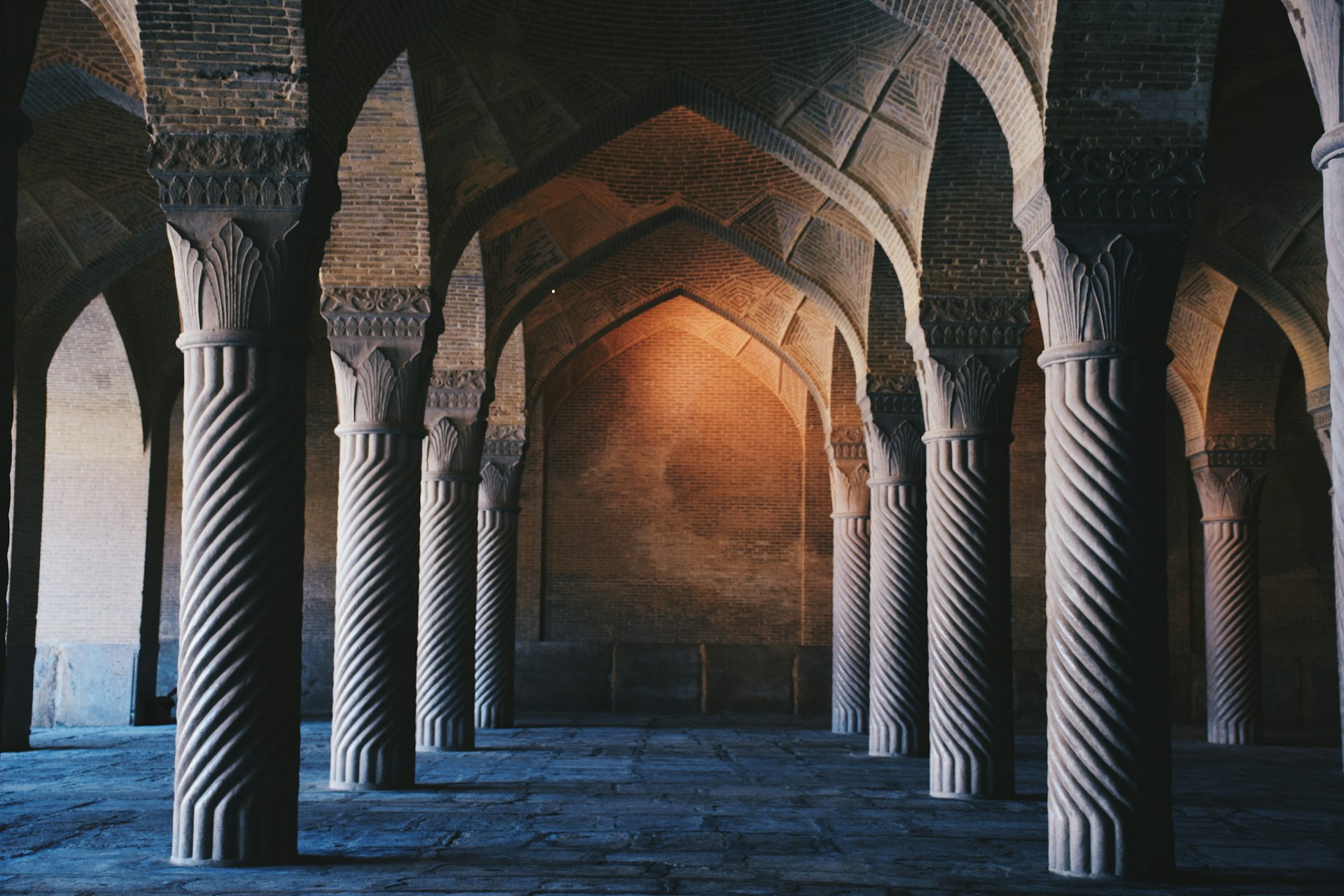

Photo by Zoe on Unsplash
Introduction
The early Islamic civilization stands as one of history’s most transformative eras, marked by dramatic social, religious, and intellectual changes. Emerging in 7th-century Arabia, its development reshaped vast territories stretching from the Iberian Peninsula in the west to Central Asia in the east. This article provides a comprehensive exploration of the pivotal milestones, cultural advancements, and lasting legacies of early Islamic civilization, with step-by-step guidance for further research and learning opportunities.
The Rise of Islam: Historical Foundations
Early Islamic civilization traces its roots to the life of the Prophet Muhammad (c. 570-632 CE) in the Arabian Peninsula. Muhammad’s call to prophethood in 610 CE marked the beginning of the revelation of the Qur’an, Islam’s central scripture. His message of monotheism, social justice, and community (umma) rapidly gained followers in Mecca and Medina, despite initial resistance from established tribal elites. The
Hijrah
(migration) from Mecca to Medina in 622 CE not only marked the start of the Islamic calendar but also established the first Muslim community-state, with its own social and legal norms
[2]
.
Key early milestones included the Battle of Badr (624 CE), which cemented the nascent community’s legitimacy, and the conquest of Mecca (630 CE), after which the Ka’ba was rededicated to monotheistic worship. These foundational events catalyzed the spread of Islam across the Arabian Peninsula.
The Rashidun Caliphate: Expansion and Governance
Following Muhammad’s death in 632 CE, leadership passed to a series of four “Rightly Guided Caliphs” (Abu Bakr, Umar, Uthman, and Ali), who guided the community through its formative decades. This era was characterized by:
- Rapid territorial expansion : Under the Rashidun, Islamic armies conquered territories including Syria, Palestine, Egypt, Iraq, and Persia, laying the groundwork for an empire that would encompass diverse peoples and cultures [2] .
- Institution-building : The Qur’an was compiled, and the first efforts at collecting the Hadith (sayings and actions of Muhammad) began, creating a foundation for Islamic law and theology.
- Governance : Systems for taxation, justice, and administration were developed, often adapting and integrating practices from conquered regions.
These developments ensured both the stability and adaptability of the new civilization, though disputes over succession-particularly after the assassination of Ali in 661 CE-helped shape the later Sunni-Shi’a divide.
The Umayyad Dynasty: Imperial Ambition and Cultural Integration
The Umayyad dynasty (661-750 CE), headquartered in Damascus, expanded the Islamic realm further, reaching as far west as Spain and as far east as the borders of India and China. Under the Umayyads:
- Arabic became the administrative and liturgical language , promoting unity across the empire’s varied populations.
- New cities and architectural marvels were constructed, including the Dome of the Rock in Jerusalem.
- Religious and cultural integration was encouraged, though non-Arab Muslims (mawali) often faced social and fiscal barriers.
The Umayyad period saw both the flowering of early Islamic art and architecture and the beginning of Islam’s establishment as a global faith [3] .
The Abbasid Revolution and the Golden Age of Learning
Discontent among non-Arab Muslims and various social groups led to the Abbasid Revolution, culminating in the overthrow of the Umayyads and the establishment of the Abbasid dynasty in 750 CE. The Abbasids moved the capital to Baghdad, which became a renowned center of culture and learning. This period is often referred to as the “Golden Age” of Islamic civilization:
- Intellectual pursuits flourished : The “House of Wisdom” in Baghdad attracted scholars from across the world, fostering advancements in mathematics, astronomy, medicine, and philosophy. Greek and Indian texts were translated and studied, stimulating original research [1] .
- Legal and religious scholarship : Systematic development of Islamic jurisprudence (fiqh) and theology (kalam) produced sophisticated legal and ethical systems.
- Economic and technological innovation : The Abbasid era saw improvements in agriculture, trade, and urban infrastructure, connecting a vast economic network from the Mediterranean to Central Asia.
For those interested in exploring primary texts and historical artifacts from this period, consider visiting major museum collections, searching for “Islamic art and manuscript collections,” or attending university lectures and online courses dedicated to Islamic history and civilization. Many academic institutions offer open-access resources; search for “open Islamic history courses” from reputable universities for guided learning opportunities.
Societal Structure and Daily Life in Early Islamic Civilization
Early Islamic society was marked by an emphasis on community, social justice, and the rule of law. The concept of the
umma
(Muslim community) encouraged mutual support and collective responsibility. Social welfare institutions, such as the waqf (charitable endowment), funded public works, schools, and hospitals. Women’s roles varied by region and era, with influential figures like Aisha (the Prophet’s wife) participating in religious and scholarly life.
Urban centers like Baghdad, Cairo, Cordoba, and Damascus grew into cosmopolitan hubs where Muslims, Christians, Jews, and others lived and worked together, contributing to a vibrant exchange of ideas and commerce. Islamic civilization’s inclusive spirit is still celebrated through its enduring contributions to science, medicine, philosophy, and the arts.
Practical Steps for Further Research and Engagement
If you wish to learn more or access resources related to early Islamic civilization, consider the following steps:
- Visit reputable museums and libraries -such as the British Museum, the Metropolitan Museum of Art, or national libraries-which house extensive Islamic collections. Use official museum websites to verify current exhibitions and digital archives.
- Enroll in online courses on platforms like Coursera or EdX, searching for “Islamic history” or “medieval civilizations.” Prioritize offerings from accredited universities.
- Consult scholarly publications and encyclopedias -the Stanford Encyclopedia of Philosophy and the Encyclopedia Britannica offer entries on Islamic history. Always confirm you are on the legitimate website before trusting information.
- Attend public lectures or webinars by university departments specializing in Middle Eastern or Islamic studies, which often provide free or recorded sessions for the public.
- Search for reputable non-profit organizations or academic societies focused on Islamic heritage, using keywords like “Islamic civilization historical society” or “Islamic art foundation.”
When looking for books, search for titles recommended by university syllabi or published by academic presses. Libraries and university bookstores often have curated lists.
Challenges and Legacy
Early Islamic civilization faced political upheavals, internal divisions, and external threats such as the Mongol invasions. Despite these challenges, its achievements in governance, culture, and knowledge left a profound legacy that shaped world history. Modern scholars and heritage organizations continue to study and preserve the contributions of this civilization.
To pursue deeper study, you can contact university departments of Islamic or Middle Eastern studies. Most major universities provide contact forms or department emails on their official websites. Search for “Islamic studies department” at universities such as Harvard, Oxford, or the University of Chicago for research opportunities and expert guidance.
Summary and Key Takeaways
Early Islamic civilization grew rapidly from its origins in 7th-century Arabia to become a dominant force in world history. Its religious, legal, and intellectual traditions continue to influence societies globally. To further explore this subject, seek verified resources through museums, academic courses, and scholarly organizations, and always ensure the authenticity of any online resource or contact.

Photo by Haythem Gataa on Unsplash