Decolonizing Historical Narratives: Rewriting History from the Margins
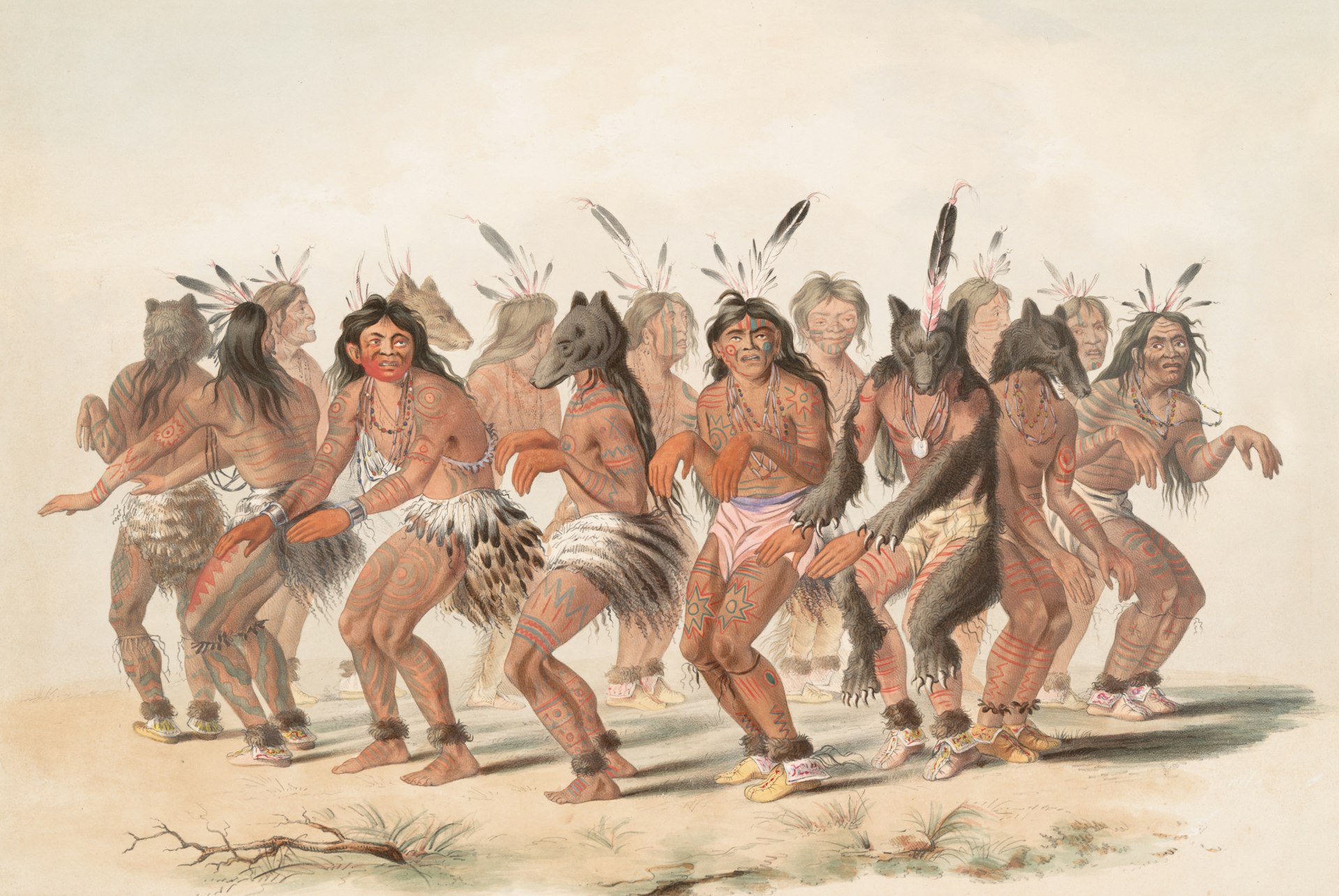

Photo by The New York Public Library on Unsplash
Understanding Decolonizing Historical Narratives
Decolonizing historical narratives involves challenging dominant Eurocentric and colonial perspectives in history education, museums, and cultural representations to center the voices, experiences, and agency of marginalized communities. [1] This process goes beyond adding token examples from non-Western histories; it requires fundamentally restructuring narratives to highlight resistance, exploitation, and interconnections among global justice struggles. Traditional textbooks often sanitize colonial violence and portray figures from colonized regions as passive or deviant, perpetuating white supremacy discourses. [1] For instance, racism in the U.S. is inaccurately framed as stemming solely from Southern slavery, ignoring its deeper roots in white supremacy predating the nation’s founding. Decolonization addresses this by incorporating diverse primary sources from people of color, indigenous peoples, and subaltern groups, questioning who controls the story and why certain voices remain silenced. [6]
To implement this in education, educators can start by auditing curricula for biases, such as Eurocentric terminology or omission of colonial impacts. A multi-faceted approach includes re-examining Western roles in global history, decolonizing language, and emphasizing collective resistance like the Madres de la Plaza in Argentina or connections between U.S. civil rights and African independence. [1] Challenges arise from entrenched institutional norms, but solutions involve partnering with communities for authentic input. Alternatives include digital platforms for crowdsourced narratives or interdisciplinary classes blending history with cultural studies. Key takeaway: True decolonization demands ongoing critical analysis, not one-time additions.
Case Studies in Museums and Historic Sites
Museums provide concrete examples of decolonization through truth-telling and shared authority. At Historic Fort Snelling, the Minnesota Historical Society broadened narratives at this site on Dakota homeland, using terms like ‘invasion’ instead of ‘colonization’ and dedicating exhibitions to indigenous resilience. [2] This shift addresses ten thousand years of history often overlooked, integrating Aboriginal perspectives into tours, texts, and online content. Similarly, the Burke Museum at the University of Washington incorporates indigenous languages and emphasizes cultural survival, moving away from oppressor-dominated stories. [3] These institutions dismantle racism by centering BIPOC communities, fostering healing and joy through shared knowledge.
Practical steps for museums include: 1) Inventory collections for colonial biases; 2) Collaborate with descendant communities for labeling and exhibits; 3) Prioritize narratives of survival over glorification of exploration; 4) Train staff in decolonial practices. Potential hurdles like funding shortages can be overcome by grants from cultural preservation organizations or partnerships with universities. Real-world application at Fort Snelling shows visitor engagement increases with authentic storytelling. Alternatives involve pop-up exhibits or virtual reality tours amplifying silenced voices. This approach not only educates but builds interdependent relationships, ensuring museums evolve as spaces for genuine reflection rather than white guilt displays. [3]
Art and History Painting as Tools for Decolonization
Artists like Kent Monkman decolonize history painting by appropriating colonial imagery from an indigenous viewpoint. In works like
mistikôsiwak
and
Welcoming the Newcomers
, Monkman subverts European traditions, critiquing misrepresentations of indigenous peoples as vanishing or passive.
[4]
By redirecting genres like history painting, these pieces perform psychic healing, exposing settler narratives’ false consciousness about land title and indigenous erasure. Cartier’s prejudiced accounts of Iroquoian encounters exemplify biased primary sources ripe for reanalysis.
To apply this in creative practice: 1) Study colonial art archives; 2) Identify stereotypes for subversion; 3) Integrate indigenous symbols and perspectives; 4) Exhibit with contextual essays. Challenges such as art world gatekeeping can be navigated through indigenous-led galleries or online platforms. Case in point: Monkman’s revival of ‘dead’ traditions empowers indigenous consciousness. Alternatives include community murals or digital art challenging local histories. This method expands decolonization beyond academia, making it accessible for public engagement and cultural reclamation.
Classroom Transformations and Pedagogical Shifts
In classrooms, decolonizing means weaving student identities into counter-narratives, as seen in a Hawaiian History class where texts highlighted interwoven community histories, countering shallow misinterpretations. [5] Teachers rebuilt spaces collaboratively, fostering connection over detachment. Globally, this involves anti-racist pedagogy: portraying leaders like Malcolm X as advocates, not militants, and linking struggles across continents. [1]

Photo by The New York Public Library on Unsplash
Step-by-step guidance: 1) Select diverse primary sources; 2) Design discussion questions probing biases; 3) Incorporate student-led projects; 4) Assess via reflective essays. Overcome resistance by professional development workshops. Examples include Angolan Civil War units emphasizing agency. Alternatives: Guest speakers from marginalized communities or flipped classrooms with video testimonials. Outcomes include empowered students valuing their histories, promoting equity in education.
Broader Implications and Challenges
Decolonization extends to literature and storytelling, questioning nostalgia in historical fiction that betrays readers of color or structures reinforcing oppressors’ views. [7] [8] Museums must challenge single stories for intersectional narratives. [9] Common challenges: Institutional inertia, lack of resources. Solutions: Coalitions, funding from equity-focused grants, ongoing training. To get involved, educators and curators can join networks like the American Alliance of Museums, audit materials using decolonial checklists, and advocate for policy changes in curricula. Search academic databases for ‘decolonizing pedagogy’ or contact local historical societies for partnerships. This collective effort ensures histories reflect truth, agency, and resilience.
References
[1] Humanities LibreTexts (n.d.). Decentering Historical Narratives. [2] American Alliance of Museums (2019). Two Case Studies in Decolonization. [3] School of Marine and Environmental Affairs, UW (n.d.). Museum Decolonization. [4] Art Canada Institute (n.d.). Decolonizing History Painting. [5] Noble Schools (n.d.). Decolonizing History in Hawai’i. [6] Cultural Survival (n.d.). Decolonizing History and Mother Earth’s Story. [7] The Horn Book (n.d.). Decolonizing Nostalgia. [8] Bookish Brews (n.d.). Decolonizing Story Structure. [9] El Portal by Vero Antes (n.d.). Notes on Decolonizing Museums.