
The History of International Diplomacy: From Westphalia to the Modern Era
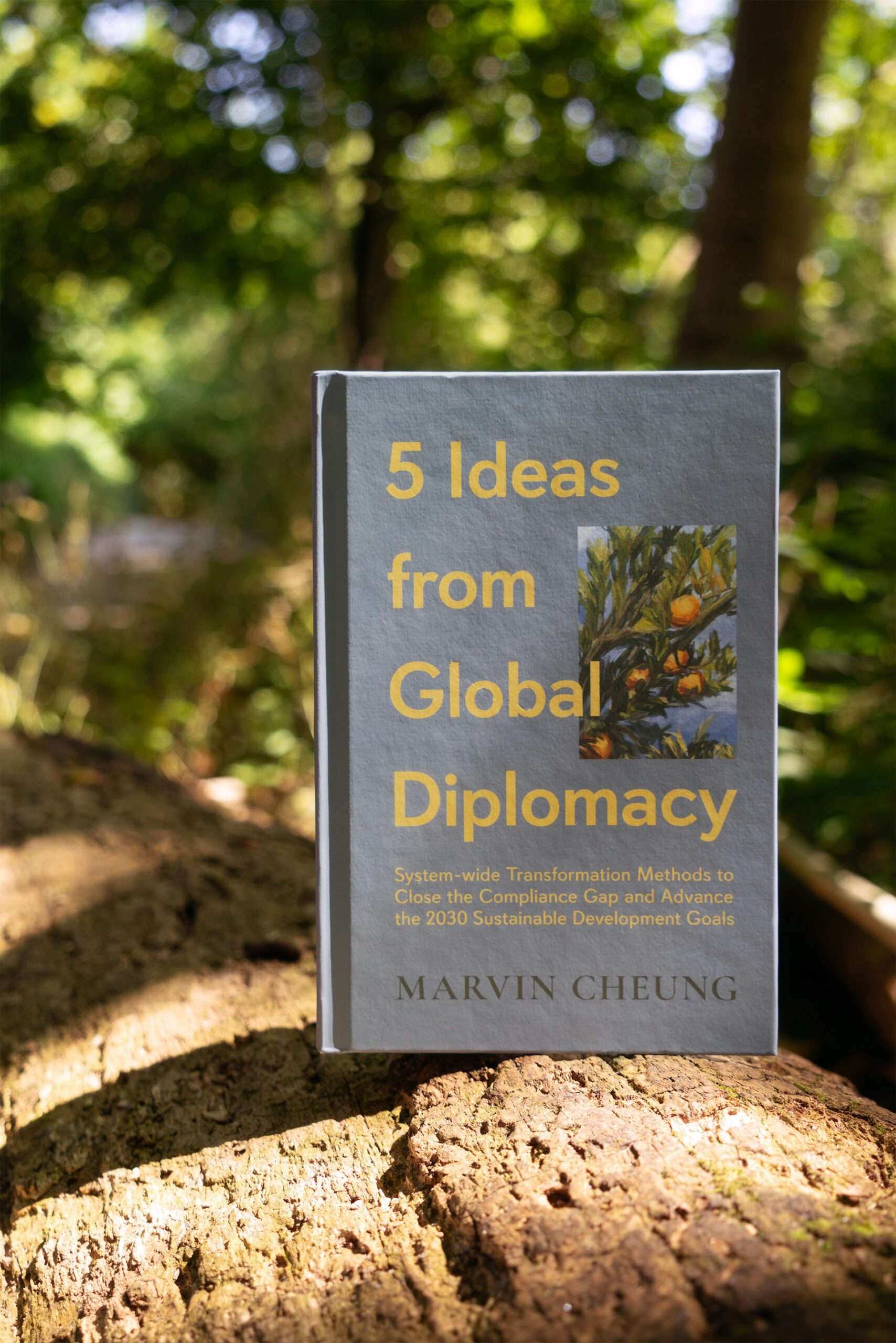

Photo by Marvin Cheung on Unsplash
Introduction to International Diplomacy
International diplomacy has evolved over centuries as the primary mechanism for states to manage relations, resolve conflicts, and pursue national interests. This history traces key developments from early modern foundations to contemporary practices, highlighting pivotal treaties, congresses, and shifts in global power structures. Understanding this progression provides essential context for analyzing current international relations.
[1]
[3]
The story begins in the 17th century with the emergence of the modern state system. Diplomats initially served as messengers between rulers, but over time, permanent embassies and formalized negotiations became standard. This evolution responded to the need for safe, reliable communication amid frequent wars and territorial disputes. By the 19th century, diplomacy had matured into structured conferences involving great powers, setting precedents for multilateral engagement.
[4]
The Diplomatic History Stage: 1648-1919
The period from 1648 to 1919, known as the Diplomatic History Stage, marks the birth of modern international relations as an academic and practical field. Historians and diplomats chronicled state interactions through treaties, alliances, and wars, focusing on descriptive accounts rather than theoretical analysis. This era emphasized European powers and laid groundwork for concepts like sovereignty and balance of power.
[1]
A foundational event was the Peace of Westphalia in 1648, ending the Thirty Years’ War. These treaties established state sovereignty, granting rulers exclusive authority over their territories without external religious or imperial interference. This shifted Europe from fragmented feudal loyalties to a system of independent states, influencing diplomatic norms for centuries. For instance, Westphalia’s principles of non-intervention became cornerstones of international law, enabling stable interstate relations despite ongoing rivalries.
[1]
During this stage, diplomacy lacked scientific rigor, relying on narrative histories. Scholars documented events like the Napoleonic Wars but rarely developed predictive theories. This descriptive approach provided rich material for later theorists, particularly realists who emphasized power and national interest. The stage’s legacy endures in modern discussions of sovereignty and diplomatic precedence.
[1]
The Congress of Vienna and the Concert of Europe: 1814-1914
Following Napoleon’s defeat, the Congress of Vienna in 1814-1815 reshaped Europe through multilateral diplomacy. Great powers-France, Britain, Russia, Austria, and Prussia-redrew borders, restored monarchies, and established the Concert of Europe to maintain balance and prevent major wars. The Treaty of Chaumont underpinned this system, committing allies to collective action against threats.
[3]
Key outcomes included the German Confederation, Belgian independence from the Netherlands, and guarantees for Ottoman integrity. The Concert managed crises like the Greek War of Independence and Crimean War (1853-1856), where the Treaty of Paris demilitarized the Black Sea and affirmed Ottoman sovereignty. Otto von Bismarck’s role post-1871 Franco-Prussian War further exemplified realpolitik, unifying Germany while isolating France.
[3]
Non-European powers like Japan and the United States joined the great powers by 1905, adopting conscription and expanding influence. This era’s diplomacy prioritized stability through alliances, though tensions culminated in World War I. Practitioners can study these congresses for lessons in negotiation: identify core interests, build coalitions, and draft enforceable treaties.
[3]
U.S. Diplomatic History: From Isolation to Global Engagement
U.S. diplomacy evolved distinctly, as outlined in official timelines. Early presidents like George Washington (1784-1800) focused on securing independence through treaties. Thomas Jefferson (1801-1829) expanded westward, while the Civil War (1861-1865) tested neutrality amid European interests.
[2]

Photo by NASA on Unsplash
Post-1866, America pursued expansion and defended interests abroad, entering World War I under Woodrow Wilson (1914-1920), advocating self-determination. Interwar years (1921-1936) saw isolationism, but World War II (1937-1945) propelled global leadership. The Cold War eras-from early containment (1945-1952) to détente (1969-1976)-featured entangling alliances like NATO.
[2]
Challenges included balancing power without overextension; solutions involved multilateral institutions. For researchers, these timelines offer chronological insights: start with primary treaties, cross-reference with European events, and analyze shifts in policy doctrines like Monroe or Truman.
[2]
20th Century Transformations and Theoretical Shifts
The 20th century brought ideological conflicts and institutional innovations. World War I ended the Diplomatic History Stage, birthing liberalism via Wilson’s Fourteen Points and the League of Nations. Realism emerged in response, with thinkers like E.H. Carr and Hans Morgenthau arguing human nature drives conflict, influenced by Machiavelli and Hobbes.
[5]
Post-World War II saw the United Nations (1945) and NATO (1949), promoting cooperation amid bipolar tensions. Diplomacy adapted to nuclear deterrence and decolonization. The first great debate in IR-idealism vs. realism-highlighted tensions between institutional peace and power politics.
[7]
[5]
Practical applications include permanent embassies, evolving from Westphalia’s ad hoc missions. Modern diplomats navigate summits like Vienna’s successors, addressing climate and trade. Challenges like alliance management persist; alternatives include shuttle diplomacy or track-two talks.
[4]
Legacy and Modern Implications
International diplomacy’s history informs today’s challenges, from sovereignty disputes to multilateral forums. Westphalia’s principles underpin the UN Charter, while Concert models inspire G20 summits. Theoretical shifts-from descriptive history to realism-enable predictive analysis.
[1]
To engage: study timelines for patterns, simulate congresses for skills, or analyze cases like Crimea for realpolitik. Potential pitfalls include power imbalances; solutions foster inclusive dialogues. This continuum underscores diplomacy’s role in averting catastrophe through negotiation.
[8]
References
- PolSci Institute (n.d.). Diplomatic History: The Early Foundations of International Relations.
- U.S. Department of State (2001-2009). Timeline of U.S. Diplomatic History.
- Wikipedia. International relations (1814-1919).
- Diplo Resource. History and the evolution of diplomacy.
- Timetoast. Timeline: History of IR.
- International Relations Timeline. Various milestones including UN and NATO.
- Britannica. 20th-century international relations.