The History of Folklore and Oral Traditions: From Ancient Voices to Modern Legacy
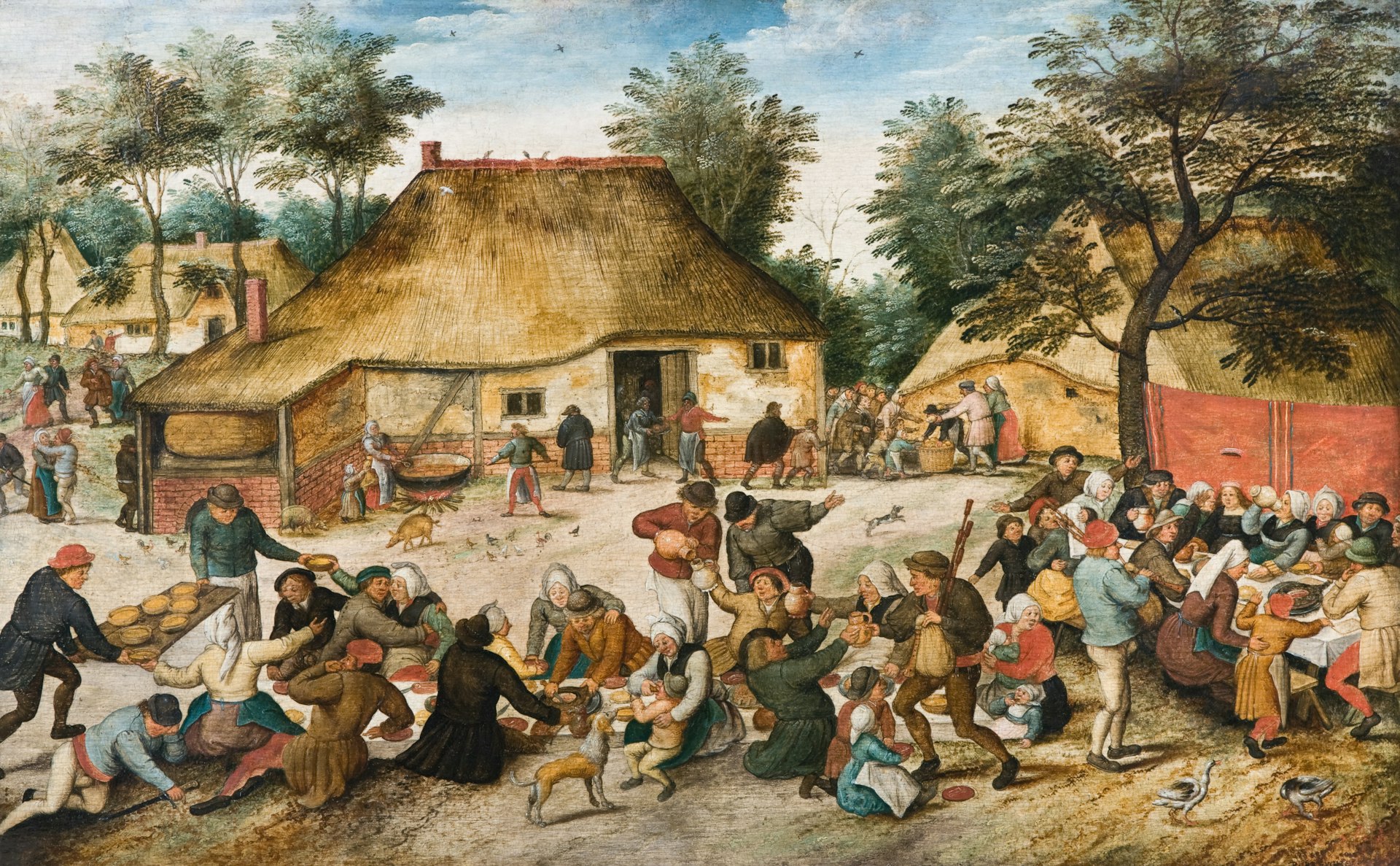

Photo by National Historical Museum of Sweden (NHM) on Unsplash
Introduction to Folklore and Oral Traditions
Folklore encompasses the traditional beliefs, customs, stories, and practices of a people, often handed down through generations. Oral traditions, a core component of folklore, involve the verbal transmission of knowledge, myths, legends, and histories without written records. These traditions predate written language and served essential roles in societies worldwide, from educating the young to reinforcing community bonds. Before the advent of writing, oral lore was the primary means of preserving cultural identity, explaining natural phenomena, and passing moral lessons. [1] [3]
In ancient times, storytellers like griots in West Africa or bards in Europe memorized vast epics, reciting them with musical accompaniment to captivate audiences. This method ensured accuracy through repetition and communal verification, where listeners corrected discrepancies. Oral traditions were dynamic, evolving with each retelling to reflect current events or audiences, yet retaining core elements that defined a group’s heritage. Their study reveals how humans have always relied on narrative to make sense of the world. [1]
Ancient Origins and Prehistoric Roots
The roots of oral traditions extend to prehistoric times, where folklore likely emerged among early human groups to explain origins, disasters, and daily life. Native American tribes, for instance, used stories to describe earthquakes and floods, such as the Suquamish Tribe’s tale of Agate Pass formed by a serpent-bird battle. These narratives not only entertained but also encoded environmental knowledge, with regional similarities suggesting shared tribal memories of events like those in 900 CE and 1700. [1]
In Africa, griots played a pivotal role. When Sundiata Keita founded the Mali Empire, he appointed Balla Fasséké as his griot, establishing the Kouyate line. Griots advised rulers, recited histories, and accompanied tales with instruments like the balafon or kora, as in the
Epic of Sundiata
. This tradition highlights oral lore’s function in governance and cultural continuity. Similarly, in the Arab world, the
SÄ«rat BanÄ« HilÄl
epic preserved the 10th-12th century migrations of the Banu Hilal tribe, documented by 14th-century historian Ibn Khaldūn, who valued oral sources for their authenticity.
[1]
Ancient Greece marked a transition point. Herodotus, the ‘Father of History,’ relied on oral narratives for his accounts, while Thucydides noted challenges in verifying distant events due to time gaps. These historians bridged oral and written forms, influencing Western historiography. [3]
Medieval and Early Modern Developments
During the medieval period, oral traditions intertwined with emerging literate cultures. In India, recitation methods like
jata-pÄá¹ha
,
dhvaja-pÄá¹ha
, and
ghana-pÄá¹ha
developed post-5th century BCE to transmit texts accurately amid Buddhism and Jainism’s rise. These techniques used complex combinations to prevent errors, showcasing oral transmission’s sophistication.
[1]
In Europe, Roman history was conveyed through celebratory performances that evolved into written forms by the 3rd century CE. Figures like the Tarquin house were likely passed via storytelling before literary recording. Meanwhile, fairy tales circulated orally, blending myth and morality. By the 16th-17th centuries, French salons buzzed with tales from women writers like Marie-Catherine d’Aulnoy, whose
The White Cat
drew from oral roots, though many remained untranslated.
[1]
[4]
William Shakespeare’s plays in the late 16th-early 17th centuries built on oral folk motifs, representing dramatic storytelling’s pinnacle and influencing global theater. [5]
The 19th-Century Fairy Tale Renaissance
The 19th century saw a surge in collecting folklore as oral traditions faced literacy’s rise. The Brothers Grimm, Jacob and Wilhelm, published
Grimm’s Fairy Tales
in 1812, compiling German folktales like
Cinderella
and
Snow White
. They edited stories for children, adding morals and removing ‘unsuitable’ elements, thus standardizing fairy tales while preserving oral essence. Charles Perrault earlier adapted French tales in the 17th century, marking the shift from pure orality to print.
[2]
[5]
In Norway, Peter Christen Asbjørnsen and Jørgen Moe’s
Norske Folkeeventyr
(1845, expanded 1852) gained acclaim with illustrations by Erik Werenskiold and Theodor Kittelsen. Russia’s Aleksandr Afanasyev collected 600 East Slavic variants, including
Baba Yaga
and
Vasilissa the Beautiful
, capturing dialects faithfully. These efforts rescued fading traditions, laying folklore scholarship’s foundation.
[4]
Scholars note occasional reverse flow: literary tales like
Beauty and the Beast
entered oral circulation, blurring lines between traditions.
[4]
20th-Century Historiography and Modern Recognition
The mid-20th century elevated oral traditions in academia. Jan Vansina’s 1961
Oral Tradition
validated them as historical sources for Africa, where written records were scarce. This spurred ‘history from below’ in Britain, using testimonies to amplify ordinary voices. Portable recording technology enabled capturing nuances like tone and emotion, lost in writing.
[1]
[7]
[3]
Concepts evolved from strict oral-literate divides to ‘traditionality’ and ‘textuality,’ recognizing hybrid forms. African historiography integrated oral sources with archaeology, while cultural evolution studies explore narrative transmission. [1] [6]
Today, griots persist, some focusing on music yet upholding roles. Digital media revives storytelling, echoing ancient methods while archiving traditions globally.
Enduring Significance and Preservation Efforts
Folklore and oral traditions foster identity, resilience, and innovation. They explain realities-like Indigenous earthquake lore-and impart ethics via fairy tales. Challenges include globalization eroding languages, countered by UNESCO initiatives and community recordings.
To engage: Record elders’ stories, join folklore societies, or study collections like the Grimms’. Search libraries for Afanasyev or Asbjørnsen-Moe editions; attend festivals preserving griot performances. These steps sustain living heritage.
From prehistoric caves to digital archives, oral traditions demonstrate humanity’s narrative drive, evolving yet timeless.
References

Photo by Andres Medina on Unsplash