The History of Censorship and Free Speech: Key Battles and Milestones in American Liberty
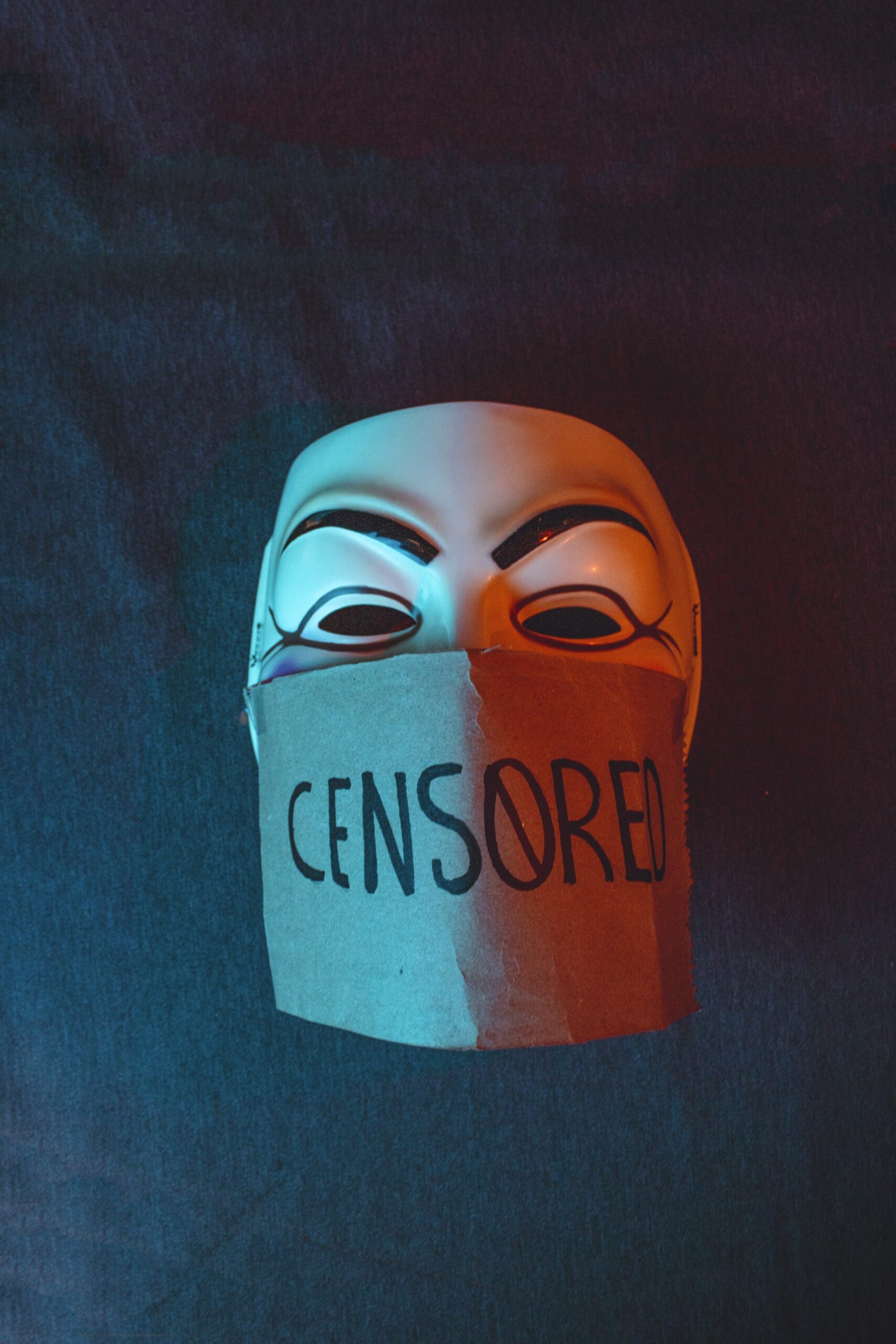

Photo by Walter Lee Olivares de la Cruz on Unsplash
Introduction to Censorship and Free Speech in America
The tension between censorship and free speech has defined much of American history since the nation’s founding. The First Amendment, ratified in 1791 as part of the Bill of Rights, explicitly protects freedom of speech and the press, yet governments have repeatedly tested these boundaries during times of crisis.
[1]
From early sedition laws to wartime restrictions and modern Supreme Court rulings, this history reveals a pattern of suppression followed by judicial pushback. Understanding these events provides insight into how free expression evolved amid fears of dissent, national security, and social upheaval. This article traces key milestones, highlighting the recurring battle to prevent government overreach.
Early Republic: Alien and Sedition Acts (1798)
One of the first major assaults on free speech came shortly after the Constitution’s adoption. In 1798, under President John Adams, Congress passed the Alien and Sedition Acts, which criminalized ‘false, scandalous, and malicious’ writings against the government.
[1]
[4]
These laws targeted critics of the Federalist administration, including newspaper editor Benjamin Franklin Bache, grandson of Benjamin Franklin, who was arrested for libeling Adams. The Acts were justified as national security measures amid tensions with France, but they sparked fierce opposition. Thomas Jefferson and James Madison responded with the Kentucky and Virginia Resolutions, arguing states could nullify unconstitutional federal laws. By 1801, the Sedition Act expired, and President Jefferson pardoned all convicts, marking an early victory for free speech advocates.
[1]
This episode set a precedent for challenging censorship through political and legal means, demonstrating how partisan fears could erode constitutional protections.
Practical lessons from this era include recognizing warning signs of censorship, such as laws vague enough to target political opponents. Citizens today can study these resolutions to understand states’ roles in defending rights, though modern interpretations limit nullification. Challenges included public apathy during crises, overcome by grassroots publishing and elections that ousted Adams.
19th Century: Slavery, Civil War, and Gag Rules
The 1800s saw censorship intersect with slavery and war. In 1836, the U.S. House adopted gag rules barring antislavery petitions, repealed in 1844 after John Quincy Adams’ relentless advocacy.
[4]
During the Civil War, General Ambrose Burnside suspended the Chicago Times for ‘disloyal’ sentiments, but President Lincoln rescinded the order days later, showing executive restraint.
[4]
In 1819, State v. Gruber protected antislavery speech in slaveholding Maryland, a rare early win.
[1]
These cases illustrate free speech’s role in moral debates. For implementation, activists distributed pamphlets despite risks, building public support. Alternatives included symbolic protests, like Adams’ daily speeches. Challenges were severe penalties, countered by alliances with sympathetic officials. Key takeaway: Persistent, nonviolent advocacy can dismantle suppression over time.
World War I and the Espionage Act (1917-1918)
World War I intensified censorship. The 1917 Espionage Act targeted anti-draft materials, leading to convictions of Socialist Party members Charles Schenck and Elizabeth Baer. In Schenck v. United States (1919), the Supreme Court upheld their punishment, introducing the ‘clear and present danger’ test: speech could be restricted if it posed immediate harm, like shouting ‘fire’ in a theater.
[1]
[2]
The 1918 Sedition Act expanded this, banning criticism of the government, flag, or Constitution.
[1]
This period’s broad restrictions chilled dissent. To navigate, speakers framed arguments as patriotic alternatives. Later cases narrowed the doctrine, emphasizing context. Examples include underground newsletters evading postal censorship. Solutions to arrests involved appeals to higher courts, paving the way for stricter scrutiny.
1920s-1930s: Incorporation and Counterspeech Doctrine
The 1920s brought progress. Gitlow v. New York (1925) applied the First Amendment to states via the 14th Amendment, though upholding Gitlow’s conviction for anarchist writings.
[1]
Whitney v. California (1927) upheld a syndicalism ban but featured Justice Brandeis’ concurrence promoting ‘more speech, not enforced silence’-the counterspeech doctrine.
[1]
Near v. Minnesota (1931) struck down prior restraints on scandalous publications, calling them ‘the essence of censorship.’
[1]
[10]
These rulings shifted toward protection. Activists applied counterspeech by debating radicals publicly. Green River Ordinances limited solicitations, later challenged.
[1]
Challenges: Vague statutes; solutions: precise legal arguments emphasizing time, place, and manner.
World War II and the Office of Censorship (1941-1945)
Entering WWII after Pearl Harbor, Congress created the Office of Censorship under Executive Order 8985, led by Byron Price, censoring international mail and communications.
[1]
[3]
[4]
Every border-crossing letter was scrutinized from 1941-1945.
[3]
President Roosevelt pardoned WWI sedition convicts in 1933, signaling limits.
[1]
West Virginia v. Barnette (1943) protected refusing flag salutes.
[1]
Postwar, the Fairness Doctrine (1949) required balanced broadcast coverage.
[1]
To resist, journalists self-censored minimally while pushing boundaries. Alternatives: Private networks for uncensored info.

Photo by Markus Winkler on Unsplash
Postwar Era: McCarthyism, Civil Rights, and Pentagon Papers
The 1950s Red Scare revived fears, with California’s university speech bans sparking Berkeley’s 1964 Free Speech Movement, where Jack Weinberg’s arrest galvanized students.
[2]
Terminiello v. Chicago (1949) narrowed ‘fighting words.’
[1]
The 1971 Pentagon Papers case saw the Supreme Court reject Nixon’s prior restraint, affirming press immunity from pre-publication censorship.
[1]
[2]
These victories empowered movements. Steps: Organize protests, litigate promptly. Examples: Student sit-ins leading to policy reversals.
Modern Implications and Ongoing Struggles
From ancient parrhesia to internet timelines, the fight persists.
[9]
[7]
Libraries faced book bans, as chronicled in histories of U.S. censorship.
[6]
[8]
Today, debates echo past ones. To engage: Research primary sources, join advocacy groups, support litigation. Challenges like digital censorship require adaptive strategies, such as encrypted platforms.
References
- First Amendment Timeline | The Free Speech Center – MTSU (2023). Comprehensive timeline of U.S. free speech milestones.
- Great Free Speech Moments of the 20th Century (2021). Key 20th-century cases like Schenck and Pentagon Papers.
- Censorship in the United States – Wikipedia. Details on WWII Office of Censorship.
- History of Free Speech – FIRE. Timeline from Bill of Rights to modern era.
- Opinions Throughout History: Free Speech & Censorship. Overview of constitutional challenges.
- A History of Censorship in the United States | Steele. Focus on library censorship.
- Internet Free Expression Timeline. Modern digital censorship history.
- Censorship throughout the Centuries | American Libraries Magazine (2024). Historical overview of book challenges.
- Free Speech History Timeline. Ancient to modern free speech concepts.
- Freedom of Press – Historical Society of the New York Courts. Near v. Minnesota analysis.