History of Migration and Cultural Exchange: Shaping Civilizations Through Movement
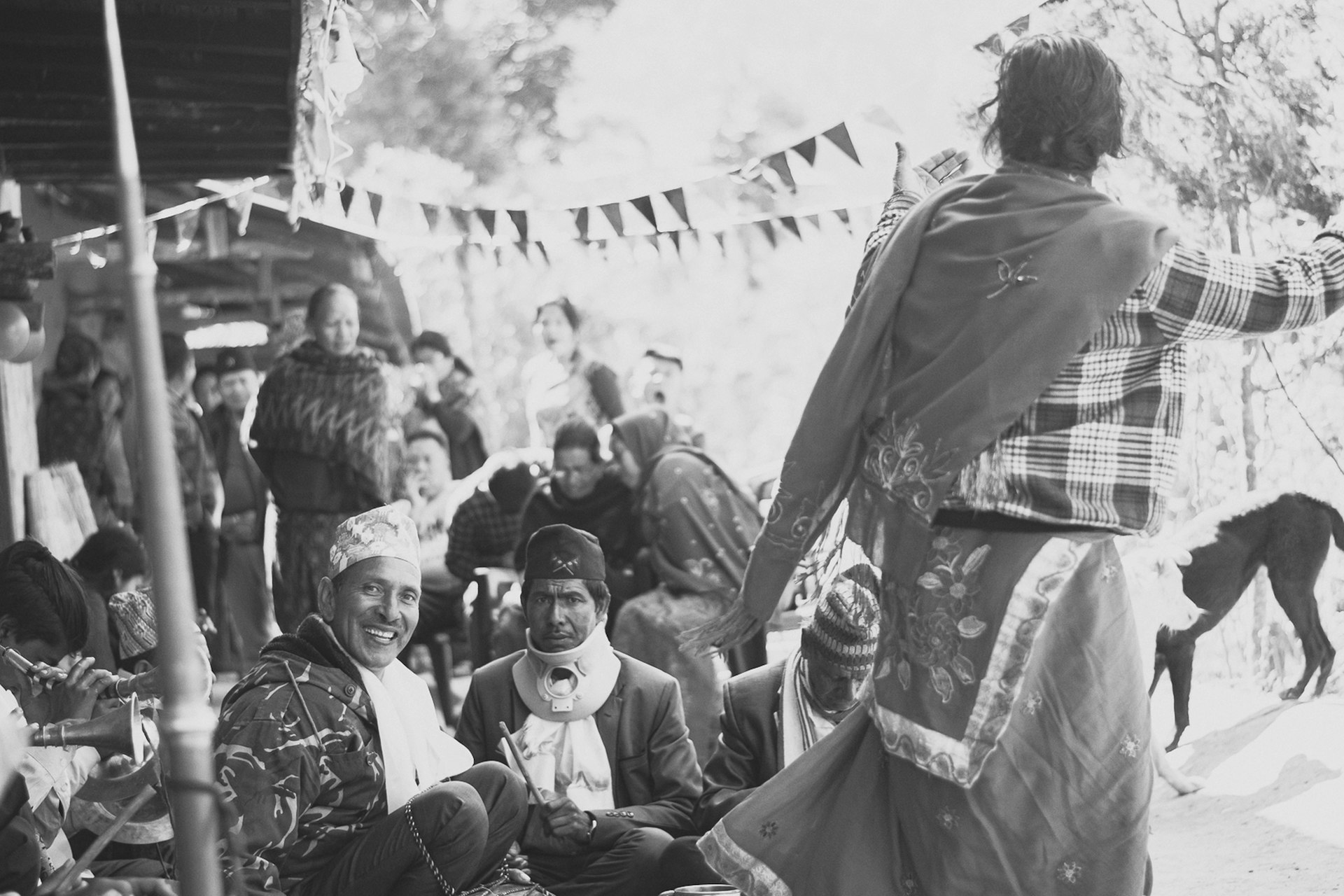

Photo by kabita Darlami on Unsplash
Introduction to Migration and Cultural Exchange
Migration has been a fundamental force in human history, driving not only population shifts but also profound cultural exchanges that reshaped societies. From prehistoric dispersals to medieval invasions and modern mass movements, people crossing borders brought languages, technologies, religions, and customs that fused with local traditions, creating hybrid cultures. This interplay often accelerated innovation, as seen in the spread of agriculture, writing systems, and artistic styles. Cultural exchange through migration fostered resilience, with communities adapting and enriching one another despite conflicts. [1] [4]
Understanding this history reveals patterns: migrations triggered by climate, war, or opportunity led to exchanges that defined eras. For instance, early humans migrating out of Africa introduced new tools and beliefs, while later waves like the Migration Period in Europe blended Germanic, Roman, and Slavic elements. These processes highlight migration’s dual role as disruptor and integrator, influencing everything from cuisine to governance. [8]
Prehistoric and Ancient Migrations: Foundations of Exchange
The earliest migrations set the stage for global cultural exchange. Around 60,000-70,000 years ago, modern humans left Africa, reaching Europe by about 40,000 years ago via routes along the Danube and Mediterranean coasts. This movement displaced Neanderthals and introduced advanced tools, art like cave paintings, and symbolic thinking, marking a cultural revolution. Evidence from fossils and artifacts shows exchanges with archaic humans, possibly including interbreeding that contributed to modern genetic diversity. [4]
In ancient times, Semitic tribes pressed north around 3000 BC, Canaanites settled Canaan by 2600 BC, and Bantu peoples expanded south through Africa from 2000 BC. These shifts spread farming techniques, ironworking, and languages, transforming landscapes and societies. Khoisan groups inhabited much of Africa by then, their click languages influencing later exchanges. Such movements created trade networks, like those along the Nile, where ideas flowed alongside goods, blending Egyptian hieroglyphs with Nubian traditions. [6]
Challenges included harsh climates and rival groups, but solutions emerged through adaptation-migrants formed alliances, adopted local survival skills, and innovated hybrids like Bantu metallurgy fused with existing tools. Alternatives involved seasonal nomadism before permanent settlement. Key takeaway: these migrations laid groundwork for diverse civilizations by exchanging survival knowledge. [8]
The Migration Period in Europe: Barbarian Invasions and Transformations
The Migration Period, or Völkerwanderung (c. 300-700 CE), exemplifies large-scale migration and cultural fusion. Triggered by Hunnic invasions around 375 CE, tribes like Goths, Vandals, and Suebi crossed into Roman territories, contributing to the Western Empire’s fall. The Visigoths sacked Rome in 410 CE after fleeing Huns, settling in Gaul and Spain, where they adopted Roman law and Christianity, blending Arian beliefs with Catholicism. [1] [2]
Estimates suggest massive scales: 90,000-200,000 Goths crossed the Danube in 376 CE, and similar numbers for Vandals and Alans at the Rhine in 406 CE. This led to Ostrogoths under Theodoric conquering Italy in 489 CE, establishing kingdoms that preserved Roman administration while introducing Germanic customs. Cultural exchange was evident in architecture-Roman basilicas gained Germanic motifs-and language, with Latin evolving into Romance tongues influenced by invaders. [1]
Slavic expansions from 500-700 CE Slavicized eastern Europe, while Avars, Bulgars, and Magyars added Turkic elements. The Moors’ 711 CE invasion of Spain brought Islamic science and architecture, halted at Tours in 732 CE, creating enduring Iberia-Islam hybrids like Alhambra styles. Vikings from the 8th century extended this, trading and raiding to exchange runes, shipbuilding, and sagas across Europe. Practical steps for studying this era include tracing artifacts via museum collections or genealogical DNA tests to connect personal ancestry. [2]
Challenges like empire collapse spurred integration; Franks under Clovis converted to Christianity in 503 CE, unifying realms. Alternatives: some tribes assimilated peacefully. This period’s legacy is Europe’s medieval mosaic, where migration birthed feudalism and chivalry from Roman-Germanic blends.
Colonial Era and Transatlantic Exchanges
Colonial migrations amplified exchanges across oceans. In 17th-18th century America, Quakers and Germans settled Pennsylvania from 1681, drawn by William Penn’s charter. Peaks in 1709, 1717, 1727, 1738, and 1749 tied to European wars, like the Austrian Succession’s end. These groups brought Pietist faith, farming, and crafts, exchanging with Native Americans-trading iron tools for maize-while booster literature promoted opportunities. [3]

Photo by Pascal Bernardon on Unsplash
Family groups followed kin, easing adaptation through communal support in towns like Salem. Cultural fusion appeared in Pennsylvania Dutch dialects (German-English mix) and hybrid foods like scrapple. To explore personally, research passenger lists at archives or visit historic sites like Independence Hall for immersion. Challenges: disease and conflicts; solutions: alliances like Penn’s treaties. Alternatives: chain migration sustained communities.
The Great Migration and Modern Waves
The 20th-century Great Migration (1910-1970) saw six million Black Americans move from South to northern cities like Chicago and Detroit, driven by Jim Crow laws and World War I job vacancies. This phase exchanged rural folk traditions with urban jazz and blues, birthing Harlem Renaissance culture that influenced global art. [5]
Post-WWII, it continued, spreading gospel music and civil rights activism. Steps to study: access National Archives records or visit migration museums. Challenges: discrimination; solutions: community networks. This exemplifies internal migration’s cultural power, blending Southern spirituality with industrial innovation.
Impacts and Lasting Legacies
Migration’s exchanges created resilient globalsocieties. Roman-Germanic kingdoms preserved learning through monasteries; Islamic invasions advanced math via translations; colonial blends birthed multicultural Americas. Today, DNA studies reveal 1-4% Neanderthal ancestry from ancient exchanges. [4]
To engage: trace family trees via ancestry sites, read primary sources, or analyze artifacts. Potential hurdles: biased histories; overcome with diverse scholarship. Alternatives: virtual timelines or podcasts. Ultimately, migration history teaches interconnectedness, urging preservation of diverse heritages.
References
[1] Wikipedia: Migration Period (n.d.). Overview of European migrations c. 300-600 AD.
[2] World History Encyclopedia: Timeline Migration Age (n.d.). Key events from 300-700 CE.
[4] Smithsonian Magazine: The Great Human Migration (2003). Prehistoric human expansions.
[5] National Archives: The Great Migration 1910-1970 (n.d.). African American internal migration.
[6] HistoryWorld: Migration Timeline (n.d.). Ancient global movements.
[8] Patrick Manning: Migration in World History (2021). Comprehensive historical analysis.