World War II Resistance Movements: Their Impact, Tactics, and Legacy
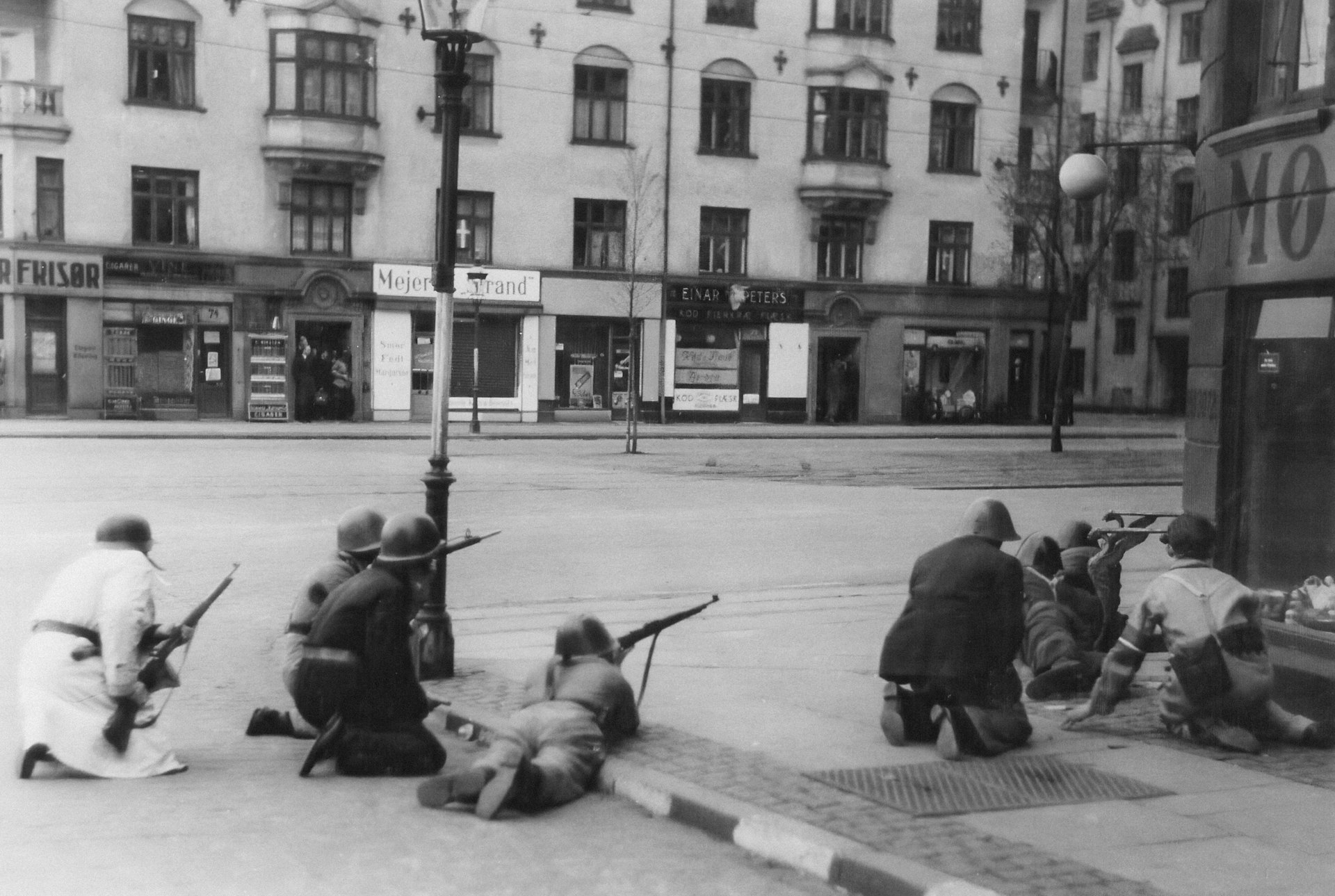

Photo by National Museum of Denmark on Unsplash
Overview of World War II Resistance Movements
During World War II, resistance movements emerged in every country occupied by Nazi Germany, forming a complex web of underground activities that ranged from nonviolent protest to armed insurrection [1] . These groups fought not only to undermine German military operations but also to preserve national identity, protect persecuted populations, and prepare for postwar political reorganization. Resistance took many forms-sabotage, espionage, propaganda, helping people escape, and even open revolt-and was often carried out at great personal risk [1] .
Key Resistance Movements by Country
The resistance was not monolithic; each country developed its own unique movements, shaped by local conditions, political ideologies, and the severity of Nazi repression.
France: The Maquis and FFI
The French Resistance, known as
La Résistance
, was a decentralized network of groups united by opposition to the German occupation and the collaborationist Vichy regime
[3]
. It included both northern and southern branches, with the latter more fragmented ideologically. Women played significant roles, as did Free French forces in Africa. The resistance carried out sabotage, gathered intelligence, and aided Allied operations, culminating in the liberation of Paris in 1944
[3]
.
Poland: The Home Army and Underground State
Poland’s resistance was among the most organized, with the Home Army (
Armia Krajowa
) loyal to the government-in-exile and the People’s Army aligned with Soviet-backed forces. The Polish Underground State maintained a shadow government, complete with courts and education, even as it coordinated sabotage and intelligence efforts. The Warsaw Uprising of 1944, though ultimately crushed, stands as a symbol of Polish defiance
[1]
.
Yugoslavia: Partisans and Chetniks
In Yugoslavia, resistance was split between the Communist-led Partisans under Josip Broz Tito and the royalist Chetniks. The Partisans, supported by the Allies, waged a successful guerrilla campaign and eventually liberated much of the country. The Chetniks, initially resisting the Axis, became increasingly focused on fighting the Partisans, leading to a bitter civil war within the resistance [1] .
Other Notable Movements
Other significant resistance efforts included the Dutch underground, which specialized in hiding Jews and downed Allied pilots; the Danish resistance, famous for evacuating nearly the entire Jewish population to Sweden; and the Norwegian resistance, which sabotaged German nuclear research. Even within Germany, small but determined groups like the White Rose and those involved in the July 20 plot sought to overthrow the Nazi regime [1] .
Forms and Tactics of Resistance
Resistance activities were as varied as the groups that carried them out. Below is a detailed look at the main tactics employed across Europe.
Nonviolent Resistance
Nonviolent methods included slow work, strikes, and demonstrations. For example, Dutch students and professors went on strike in 1940 to protest the dismissal of Jewish colleagues, a bold act of defiance that inspired others [2] . Churches, professional organizations, and existing civic groups often provided the infrastructure for such resistance.
Sabotage and Armed Action
Sabotage targeted railways, telephone lines, and industrial facilities, disrupting German logistics. Armed groups conducted raids to obtain food, destroy records, or free prisoners. In some cases, such as the Yugoslav Partisans, resistance fighters controlled large areas and engaged in conventional warfare [1] . The French Maquis and Polish Home Army also launched major uprisings, though these often ended in tragedy.
Espionage and Intelligence
Resistance networks gathered vital intelligence on German troop movements, fortifications, and industrial sites, relaying this information to the Allies. This intelligence was crucial for planning operations like D-Day. The British Special Operations Executive (SOE) and American Office of Strategic Services (OSS) supported and sometimes directed these efforts [2] .

Photo by Phil Hearing on Unsplash
Propaganda and the Illegal Press
Underground newspapers and radio broadcasts countered Nazi propaganda, spread news from the Allies, and maintained morale. Possession of illegal radios or pamphlets was punishable by death, yet many risked it to stay informed [2] .
Helping the Persecuted
Perhaps the most morally significant aspect of resistance was the effort to save Jews, political dissidents, and others targeted by the Nazis. In the Netherlands, for example, extensive networks hid thousands of Jews, though the high level of German administration made this extremely dangerous [1] . Escape lines helped Allied airmen evade capture and return to Britain.
Challenges and Risks
Resistance was fraught with danger. Informants, collaborators, and relentless Gestapo operations made secrecy essential. Reprisals were brutal-entire villages were destroyed in response to resistance activity. Internal divisions, such as those between communist and non-communist groups, sometimes weakened the overall effort. Despite these challenges, resistance persisted, driven by a combination of patriotism, ideology, and sheer desperation.
Legacy and Historical Significance
The legacy of World War II resistance is profound. These movements not only contributed to the Allied victory but also shaped the political landscape of postwar Europe. In countries like France and Italy, resistance leaders played key roles in rebuilding their nations. The moral courage of those who risked everything to save others continues to inspire. Museums, memorials, and academic studies keep their stories alive, ensuring that the lessons of resistance-courage, solidarity, and the defense of human dignity-are not forgotten.
How to Learn More About World War II Resistance Movements
For those interested in exploring this topic further, consider visiting national museums and archives in countries that experienced occupation. Many universities offer courses on European history with a focus on resistance. Reputable online resources include the Library of Congress’s guides and Wikipedia’s comprehensive overviews. To access primary sources, search for digitized archives from institutions like the Imperial War Museum or the United States Holocaust Memorial Museum. Local historical societies and veterans’ organizations may also have oral histories and exhibits.
References
[1] Wikipedia: Resistance during World War II . Comprehensive overview of resistance movements across Europe.
[2] Normandy 1944: Resistance Movement . Focused look at resistance tactics, key groups, and the role of Allied support.
[3] Library of Congress: French Resistance Overview . Detailed exploration of the French Resistance, including women’s roles and the impact on liberation.