The History of Industrial Labor Conditions: From Exploitation to Reform
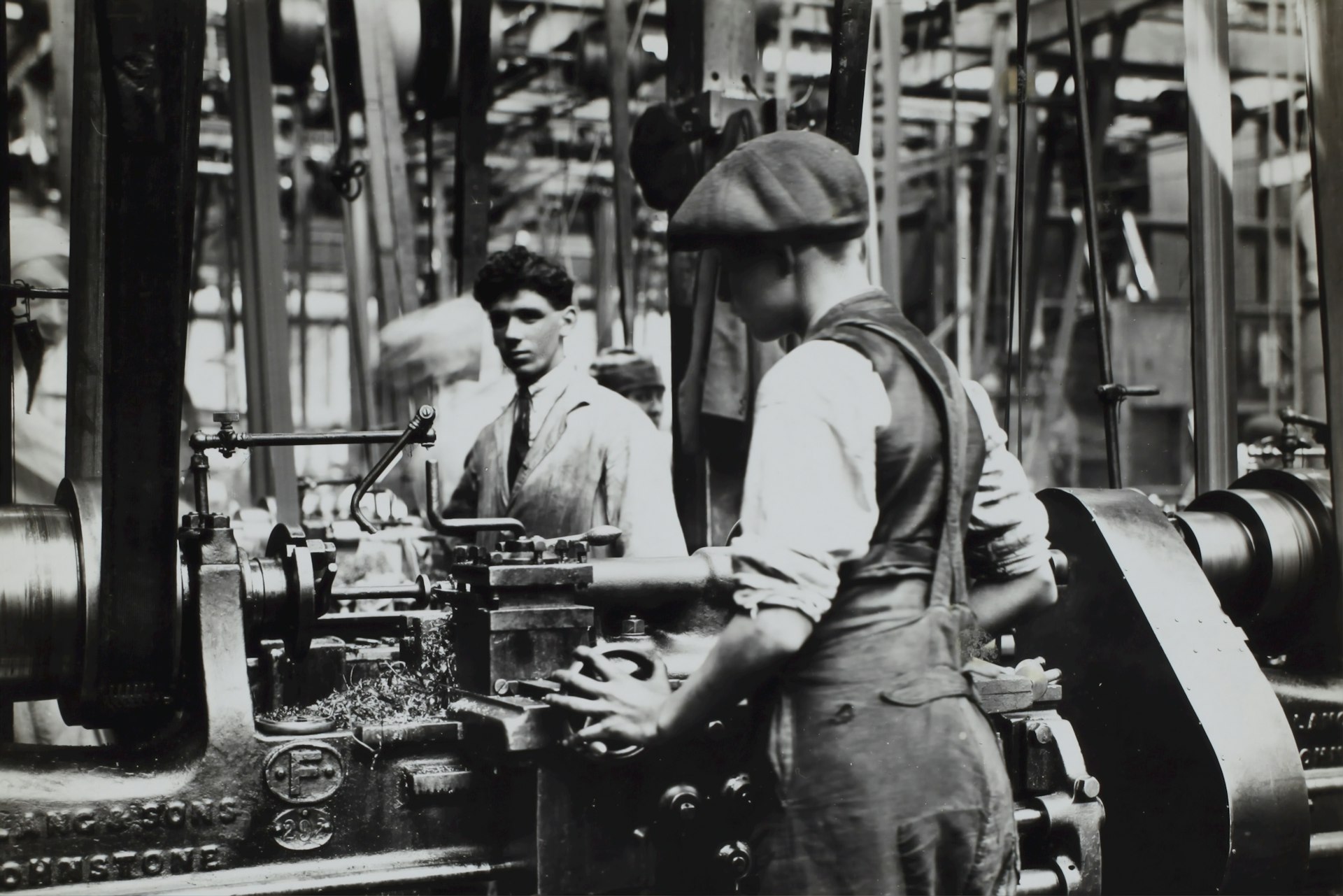

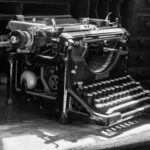
Photo by Museums Victoria on Unsplash
Early Industrial Revolution: Harsh Beginnings in the 19th Century
In the early 1800s, as America transitioned from agrarian to industrial society, factory workers faced brutal conditions that defined industrial labor’s darkest era. Machines powered by steam and water drove production in textiles, iron, and railroads, but human cost was immense. Workers, including women and children known as ‘mill girls’ in Lowell, Massachusetts, endured 12- to 16-hour shifts in poorly ventilated mills for meager wages. The 1834 turnout of these mill girls protested wage cuts, marking one of the first organized labor actions by women. [1] [2] Child labor was rampant; children as young as six operated dangerous machinery, facing injuries without recourse. By the 1870s, machines automated knitting, stitching, and nail production, displacing skilled artisans and forcing masses into low-skill, high-risk jobs. [7]
These conditions sparked resistance. The 1835 general strike in Philadelphia demanded a 10-hour day, influencing skilled trades like carpenters and masons nationwide. [3] Yet, employers wielded power through courts; Philadelphia shoemakers were convicted of conspiracy in 1805 for unionizing. [1] The 1877 railroad strike, starting in Martinsburg, West Virginia, over wage cuts, spread nationwide, highlighting exhaustion from irregular schedules and hazardous rail work. Federal troops intervened, killing dozens and underscoring labor’s vulnerability. [8] This era’s challenges included no safety regulations, disease from overcrowding, and economic instability, pushing workers toward collective action despite violent suppression.
Major Strikes and Tragedies: Catalysts for Change (1880s-1910s)
The late 19th and early 20th centuries saw explosive strikes exposing industrial labor’s perils. The 1886 Haymarket Riot in Chicago, tied to eight-hour day demands, resulted in deaths and fueled anti-union sentiment. In 1892, the Homestead Steel strike in Pennsylvania ended in defeat for workers after a lockout and armed confrontation, while an integrated general strike in New Orleans succeeded briefly. [1] [2] The 1894 Pullman Strike, boycotting luxury rail cars amid wage cuts, escalated to a national railroad shutdown, met with President Cleveland’s troops.
Tragedies amplified calls for reform. The 1911 Triangle Shirtwaist Factory fire in New York killed 146 workers, mostly young immigrant women, trapped by locked doors and inadequate fire escapes during a shirtwaist makers’ strike against sweatshops. [1] [4] This ‘Uprising of the 20,000’ in 1909 highlighted 14-hour days and unsafe conditions. The 1912 Bread and Roses strike in Lawrence, Massachusetts, involved 23,000 textile workers, mostly immigrants, securing raises after pickets of up to 20,000. [1] Mining strikes like Ludlow Massacre in 1914, where Colorado guards killed 20, including women and children, revealed corporate militias’ brutality. [3]
Workers faced blacklisting, wage theft, and violence, but persistence built momentum. The 1905 founding of the Industrial Workers of the World (IWW) aimed to unite all laborers, while the 1909 McKees Rocks steel strike won demands from unorganized immigrants. [1] These events shifted public opinion, pressuring governments for protections.
Legislative Milestones: New Deal and Beyond (1920s-1940s)
The Great Depression catalyzed reforms. The 1929 stock crash worsened conditions, with unemployment soaring. President Roosevelt’s 1933 New Deal introduced programs like the National Industrial Recovery Act, setting standards for wages and hours, though later ruled unconstitutional. [2] The 1931 Davis-Bacon Act mandated prevailing wages on federal projects, and 1932’s Norris-LaGuardia Act curbed anti-union injunctions. [1]
1935’s Wagner Act guaranteed collective bargaining, empowering unions. Sit-down strikes, like the 1937 Flint Auto Workers’ victory against General Motors, forced recognition. [2] The 1938 Fair Labor Standards Act (FLSA) established a federal minimum wage, 40-hour week, and banned oppressive child labor, transforming industrial norms. [1] The Department of Labor, created in 1913 under Woodrow Wilson, gained prominence. [6]
Post-WWII, the 1947 Taft-Hartley Act restricted unions, responding to 1946’s massive strikes. Yet, Black unions like A. Philip Randolph’s Brotherhood of Sleeping Car Porters secured contracts in 1937. [1] These laws addressed core issues: excessive hours, low pay, and hazards, laying foundations for OSHA and modern standards.
Union Evolution and Long-Term Impacts
Unions evolved from early federations like the 1881 Federation of Organized Trades to the AFL in 1886 and CIO in 1938, merging as AFL-CIO in 1955. [2] [4] The 1898 Erdman Act protected railroad unionists, and 1926’s Railway Labor Act formalized dispute resolution. [1] Internationally, the 1919 ILO founding advanced global standards.
Industrial labor conditions improved dramatically: from no regulations to enforced safety, overtime pay, and anti-discrimination laws. However, challenges persist, like gig economy precarity echoing early exploitation. Studying this history reveals workers’ agency; for instance, to research local impacts, consult Department of Labor archives or AFL-CIO timelines for primary sources on strikes and reforms.
Key takeaways include persistent advocacy’s role. The 1900 U.S. Industrial Commission endorsed unions for democracy, a view validated over time. [1] Modern researchers can access these via library timelines or national park sites like Blackstone River Valley, documenting 200 years of events. [5]
References
[1] SEIU Local 721 (2018). UNION 101: Timeline of Labor History. [2] Virginia Commonwealth University. Labor History Timeline: 1607 – 1999. [3] Wikipedia. Timeline of labour issues and events. [4] AFL-CIO. Our Labor History Timeline. [5] National Park Service. 200 Years of Labor History. [6] U.S. Department of Labor. The U.S. Department of Labor Timeline. [7] Library of Congress. Work in the Late 19th Century. [8] Gilder Lehrman Institute. Timeline: The Rise of Industrial America, 1877-1900.

Photo by Vestfoldmuseene on Unsplash