Unveiling the Hidden History of Prisoners of War: Secrets, Survival, and Forgotten Stories
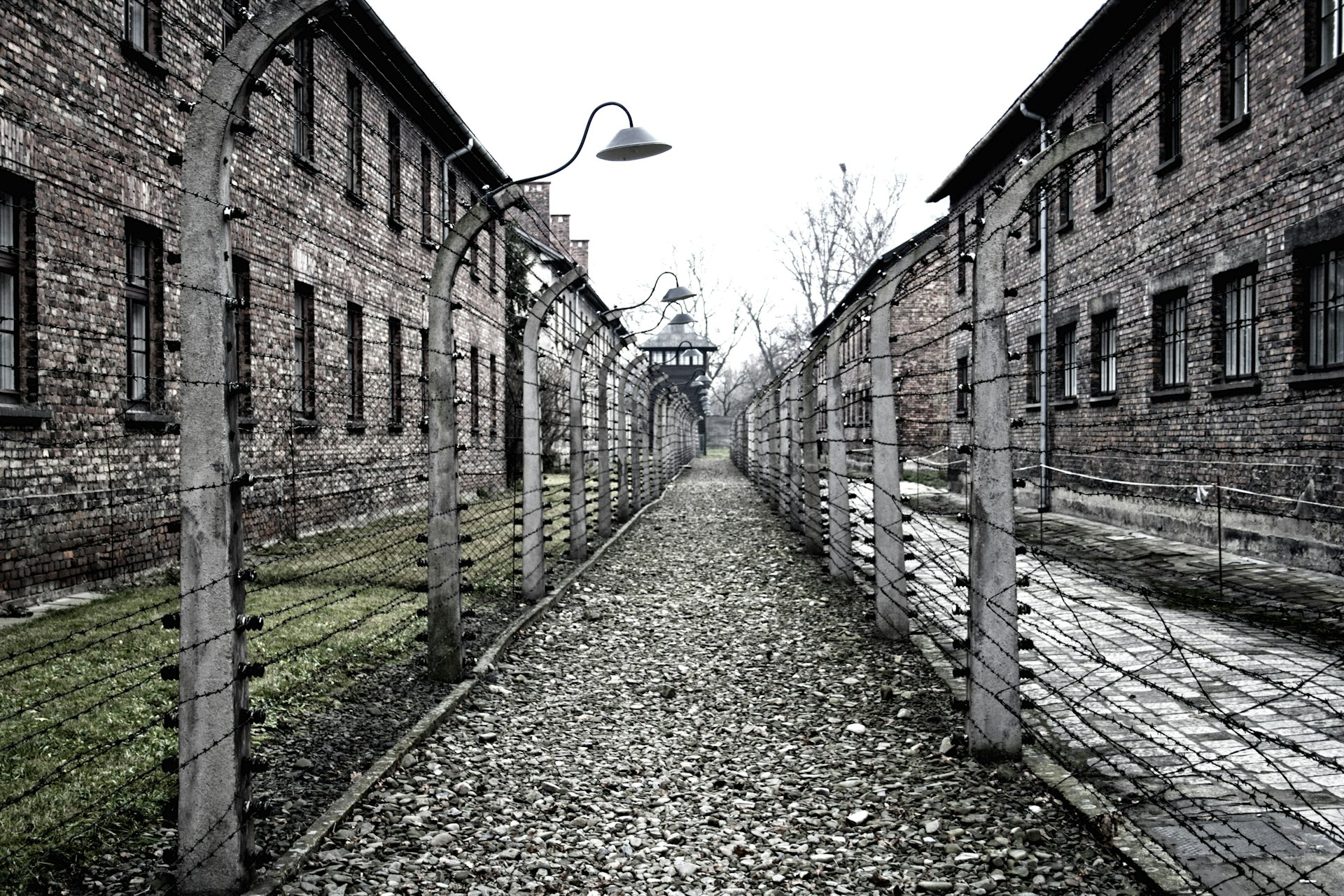

Photo by JJ Montalban on Unsplash
Introduction
The history of prisoners of war (POWs) is often overshadowed by the broader narratives of conflict. Yet, beneath the surface lies a wealth of hidden stories-accounts of secret intelligence operations, survival against the odds, and the complex interplay of international law and human rights. This article reveals the lesser-known realities of POWs, drawing on recent research, real-world examples, and actionable guidance for further exploration.
Early POW History: From Slavery to Survival
Throughout much of history, prisoners of war endured brutal fates. Ancient societies frequently enslaved or executed captured soldiers, with Roman gladiators sometimes being POWs forced into combat for entertainment [2] . The concept of humane treatment for POWs only emerged in the modern era, with international agreements like the Geneva Conventions setting minimum standards for their care.
Despite these advancements, violations persisted. For example, during the First Indochina War, thousands of French POWs perished during forced marches and in remote camps, with only a fraction surviving to see freedom [2] . These events highlight the ongoing struggle to enforce humane treatment and the vulnerability of POWs during times of upheaval.
Secret Intelligence Operations: The Hidden War Behind Bars
World War II saw the emergence of clandestine operations targeting POW camps. One of the most remarkable examples was Fort Hunt (PO Box 1142) in Virginia, a top-secret U.S. military intelligence installation where high-value German captives were interrogated, using a combination of interviews, listening devices, and informants [4] . The intelligence gathered there directly influenced Allied operations, including the targeting of German rocket facilities at Peenemunde.
To aid POWs in German camps, the U.S. military’s Escape & Evasion (E&E) program used fictitious prisoner relief organizations to smuggle escape tools-such as compasses, maps, and radios-hidden within everyday items like baseballs and playing cards. American companies secretly contributed to these efforts, enabling POWs to plot daring escapes and communicate clandestinely. Between 80 and 120 such packages were sent daily by 1944 [4] .
For those interested in learning more about intelligence operations or covert aid to POWs, consider contacting the National Archives or visiting museums such as the National Museum of the United States Army, which regularly features exhibits and talks on wartime espionage and POW experiences.
Life in Captivity: Survival, Resistance, and Human Rights Violations
POW camps ranged from remote labor sites to high-security interrogation centers. In New Hampshire, a little-known camp housed German POWs captured in North Africa and Normandy. These prisoners worked for a local paper company, earning scrip and receiving food and medical care in accordance with the Geneva Conventions [3] . Such camps sought to balance security with humane treatment, but not all facilities met these standards.
Conversely, secret Japanese camps like Ofuna subjected Allied POWs to solitary confinement, starvation, and torture in attempts to extract military secrets. Prisoners were denied basic rights, forbidden from speaking, and punished for minor infractions. Accounts from survivors, such as William Galbraith, record the “viciousness of the guards” and the psychological toll of isolation [1] .
To access survivor accounts and historical records, you may contact organizations such as the United States Naval Institute or search for diaries and testimonies archived in major libraries. The Wright Museum of World War II in New Hampshire also offers educational programs and access to records about POW camps and their impact on local communities [3] .
Escapes and Their Consequences: The Great Escape and Beyond
Escape attempts were a constant feature of POW life, sometimes aided by secret packages or outside supporters. The infamous escape from Stalag Luft III in 1944, memorialized in books and films, involved months of tunneling and covert communication. While most escapees were recaptured, the operation diverted massive enemy resources and underscored the resilience and ingenuity of POWs [4] .
Those seeking more information on POW escapes can attend seminars or view exhibits at military museums. For step-by-step research, start by searching for “Stalag Luft III escape” in reputable archives, and look for survivor interviews or official military reports that provide first-hand details of these daring operations.
Postwar Legacies: Forgotten Stories and Ongoing Challenges
Not all POWs returned home. Some disappeared, with speculation-though little evidence-suggesting a handful of American pilots captured during the Korean and Vietnam wars were transferred to the Soviet Union and never repatriated [2] . After the Vietnam War, millions of South Vietnamese were sent to “re-education” camps, where many perished.

Photo by Andrea Cappiello on Unsplash
Massacres and abuses continued into the late twentieth century, such as the murder of Israeli POWs in the Yom Kippur War and other reported atrocities [2] . These events highlight the need for ongoing vigilance, advocacy, and historical research to address violations and honor lost lives.
To contribute to research or support POW advocacy, you may reach out to human rights organizations such as Amnesty International or the International Committee of the Red Cross, both of which maintain databases and offer volunteer opportunities. When searching for help or information, use terms like “POW advocacy,” “POW records,” or “human rights POW” in official channels.
How to Access More Information and Get Involved
For those seeking to learn more, engage with survivor communities, or access official records:
- Contact museums with POW exhibits, such as the Wright Museum of World War II in New Hampshire [3] .
- Visit the National Archives or major libraries for diaries and military records. Use search terms like “POW diaries,” “POW camp records,” or “POW intelligence operations.”
- Reach out to advocacy organizations, including the International Committee of the Red Cross, for information on current POW issues and humanitarian support.
- Consider attending lectures or seminars at military history institutions and museums for deeper insights and community engagement.
- If you are researching a specific POW or camp, gather as much identifying information as possible and request assistance through official agency channels.
Key Takeaways and Next Steps
The hidden history of prisoners of war reveals a complex tapestry of human resilience, secret operations, and ongoing challenges. By exploring verified records, engaging with survivor stories, and supporting advocacy efforts, anyone can contribute to preserving these vital narratives and ensuring that lessons learned continue to inform modern humanitarian practice.
References
- [1] United States Naval Institute (2018). A POW’s Secret Diary of Captivity.
- [2] Wikipedia (2024). Prisoner of War.
- [3] Wright Museum (2022). Unveiling a Hidden Piece of World War II History: The POW Camp in New Hampshire.
- [4] National Park Service (2023). POWs and Intel at Fort Hunt in World War II.