
Unveiling the Hidden History of Medieval Plagues: Truths, Mysteries, and Modern Discoveries
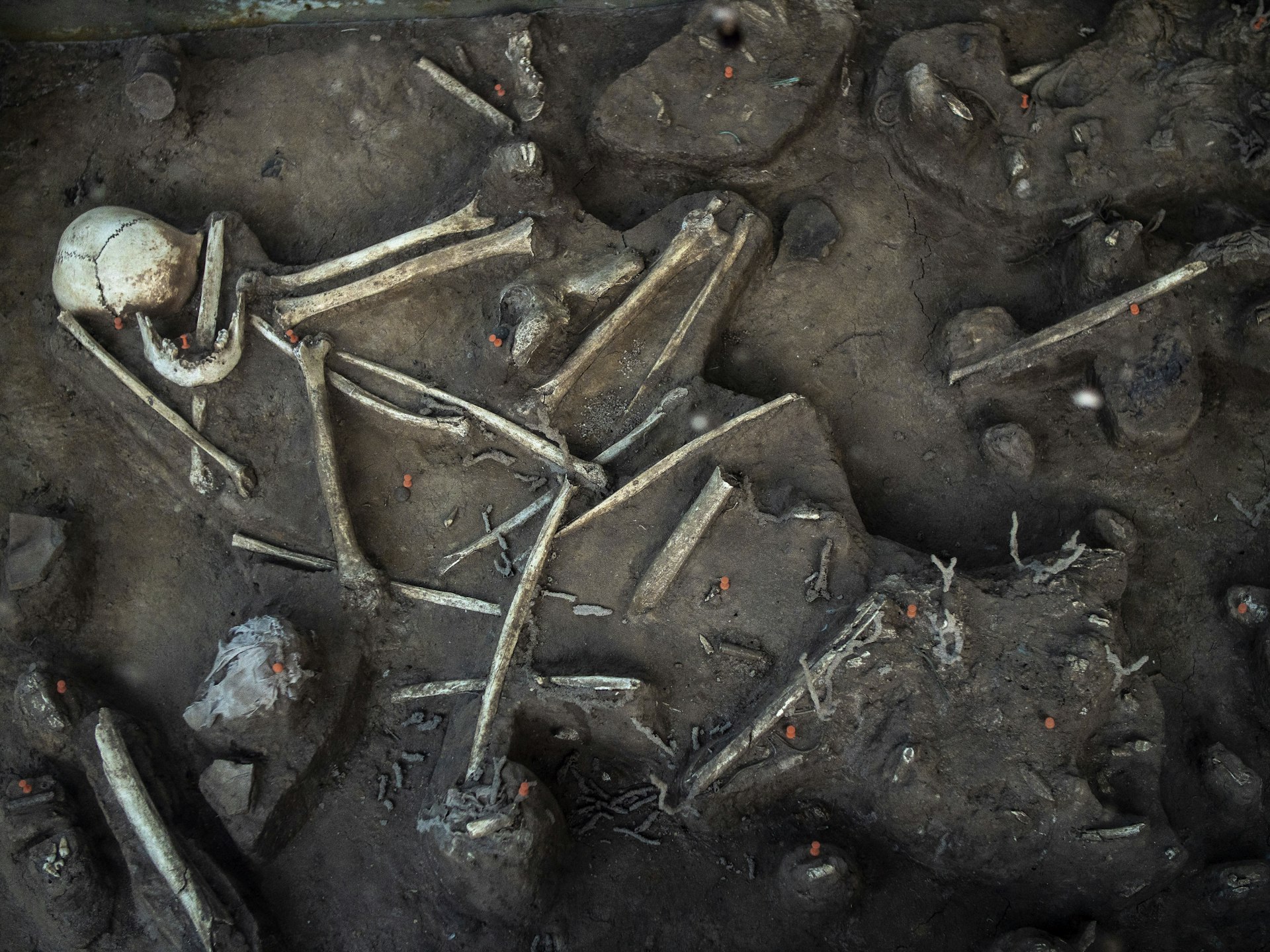

Photo by oliver wijker on Unsplash
Introduction
The medieval plagues, especially the infamous Black Death, dramatically altered the fabric of European society. While most people know about the devastation these outbreaks caused, many of the most intriguing aspects of their history remained hidden until recent decades. New scientific research, archaeological discoveries, and critical reevaluations of long-held assumptions have all contributed to a deeper, more nuanced understanding of these pandemics. In this article, we uncover the lesser-known truths behind the medieval plagues and provide actionable guidance for further exploration.
Scientific Breakthroughs: DNA Evidence and the True Cause
For centuries, the origins and nature of medieval plagues, especially the Black Death, were subjects of speculation and debate. Some historians doubted whether the disease was truly caused by
Yersinia pestis
, the bacterium responsible for bubonic plague. They pointed to differences in symptoms, spread, and the lack of observed mass rat deaths in medieval Europe as evidence that something else-possibly a mysterious ‘Disease X’-was to blame. However, this narrative changed dramatically in the early 2000s, when teams of archaeologists and microbiologists extracted
Y. pestis
DNA from bodies in plague cemeteries, such as the one discovered in Marseille, France. These findings provided conclusive proof that the Black Death was indeed caused by the plague bacterium, at least in fourteenth-century outbreaks.
[1]
Subsequent advances in DNA analysis have allowed researchers to track the evolution of the bacterium, revealing how different strains branched out over the centuries.
Archaeological Revelations: Plague Pits and Medieval Healthcare
Archaeology has played a crucial role in uncovering the hidden stories of plague victims. One major discovery was the mass grave near Thornton Abbey in North Lincolnshire, England, where 48 individuals-including men, women, and children-were found buried together. DNA analysis of their remains confirmed the presence of
Y. pestis
. What surprised researchers most was the grave’s location: not near a wealthy monastery, but beside a medieval hospital associated with the abbey. This finding shed new light on how ordinary people, not just elites, were cared for during outbreaks and how communities responded to mass mortality events.
[2]
The excavation also revealed the structure of the hospital itself, with a chapel and dormitory, offering rare insights into medieval healthcare practices-an area previously shrouded in mystery.
Origins and Spread: New Insights from Science and History
The origins of the Black Death and its journey into Europe were long debated. While it is widely accepted that the disease arrived in Europe via Genoese trading ships from the port of Kaffa (Crimea) around 1347, the precise path and speed of its spread have been revised with new evidence. Recent genetic and archaeological findings suggest that sudden surges of death in areas such as Kyrgyzstan in the late 1330s may indicate the pandemic’s roots in Central Asia, challenging older theories that linked its spread to the Mongol conquests. [3] Moreover, it is now clear that the plague spread not only via flea-infested rats but also through person-to-person transmission, explaining how it rapidly swept inland across Europe.
Hidden Social Impacts: Beyond Mortality
The Black Death and subsequent plagues did more than cause massive mortality; they triggered profound social, economic, and cultural upheavals. The loss of up to half of Europe’s population led to labor shortages, wage increases for surviving workers, and shifts in the balance of power between peasants and landowners. Religious and social practices also changed, with new forms of charity, healthcare, and burial emerging in response to repeated crises. [3] These hidden impacts are increasingly recognized as critical in shaping modern Europe. Understanding these effects provides valuable lessons for how societies today might adapt to large-scale health crises or pandemics.

Photo by Alexander Schimmeck on Unsplash
Contested Narratives and Ongoing Mysteries
Despite scientific advances, not all questions have been settled. Some outbreaks described as “pestilence” in medieval records may have been caused by other diseases. Scholars continue to debate how much of the devastation was due to the plague alone, versus other factors such as famine, war, and poor sanitation. The debate over the exact origins and vectors of each outbreak also continues, reflecting the complexity of reconstructing events from centuries past. [1] Such ongoing research highlights the importance of interdisciplinary approaches, combining historical documents, archaeology, and modern genetics.
How to Access Further Research and Historical Resources
If you want to learn more about the hidden history of medieval plagues, there are several effective strategies and resources you can use:
- Academic Publications and Journals: Many universities and research institutions publish accessible articles on medieval plagues. You can search for recent peer-reviewed papers on platforms such as PubMed, JSTOR, or Google Scholar. Use search terms like “medieval plague DNA,” “archaeology of Black Death,” or “medieval mass burial sites.”
- Museum Collections and Online Exhibits: Institutions such as the Science Museum in London and The British Museum often feature exhibits on medieval pandemics. You can visit their official websites and search for “plague,” “Black Death,” or “medieval medicine” to find digital resources and virtual tours.
- Documentaries and Educational Videos: Platforms like YouTube host documentaries produced by reputable organizations. When searching, look for content created in collaboration with established museums or universities. For example, the archaeological documentary on the Thornton Abbey discovery is available on YouTube. [2]
- Historical Societies and Local Archives: Local libraries and historical societies may offer access to digitized medieval manuscripts, burial records, and expert-led lectures. Contact your local library or search for state or regional historical societies for guidance.
- Official Government and University Websites: Always verify that you are accessing information through genuine institutional pages. For UK resources, search for “National Archives Black Death” or “UK government medieval health records.” In the US, university history departments often publish research guides or primary source collections on their official domains.
If you are considering academic research or need access to restricted materials, you can reach out to local university libraries, many of which offer guest researcher programs or digital access for the public. For guidance, search the university’s official website for their library services or contact the history department directly.
Key Takeaways and Next Steps
The hidden history of medieval plagues is being rewritten thanks to advances in science, archaeology, and interdisciplinary research. While many mysteries remain, we now have a far clearer understanding of what caused these pandemics, how they spread, and their lasting impacts on society. If you wish to delve deeper, start by exploring the latest scientific publications, museum resources, and credible documentaries. Remember to verify all sources and rely on official institutional websites for the most accurate information. With careful research, you can uncover even more about this fascinating-and still relevant-topic.