
Unveiling the Hidden History of Ancient Egyptian Medicine: Lost Secrets, Practical Remedies, and Timeless Wisdom
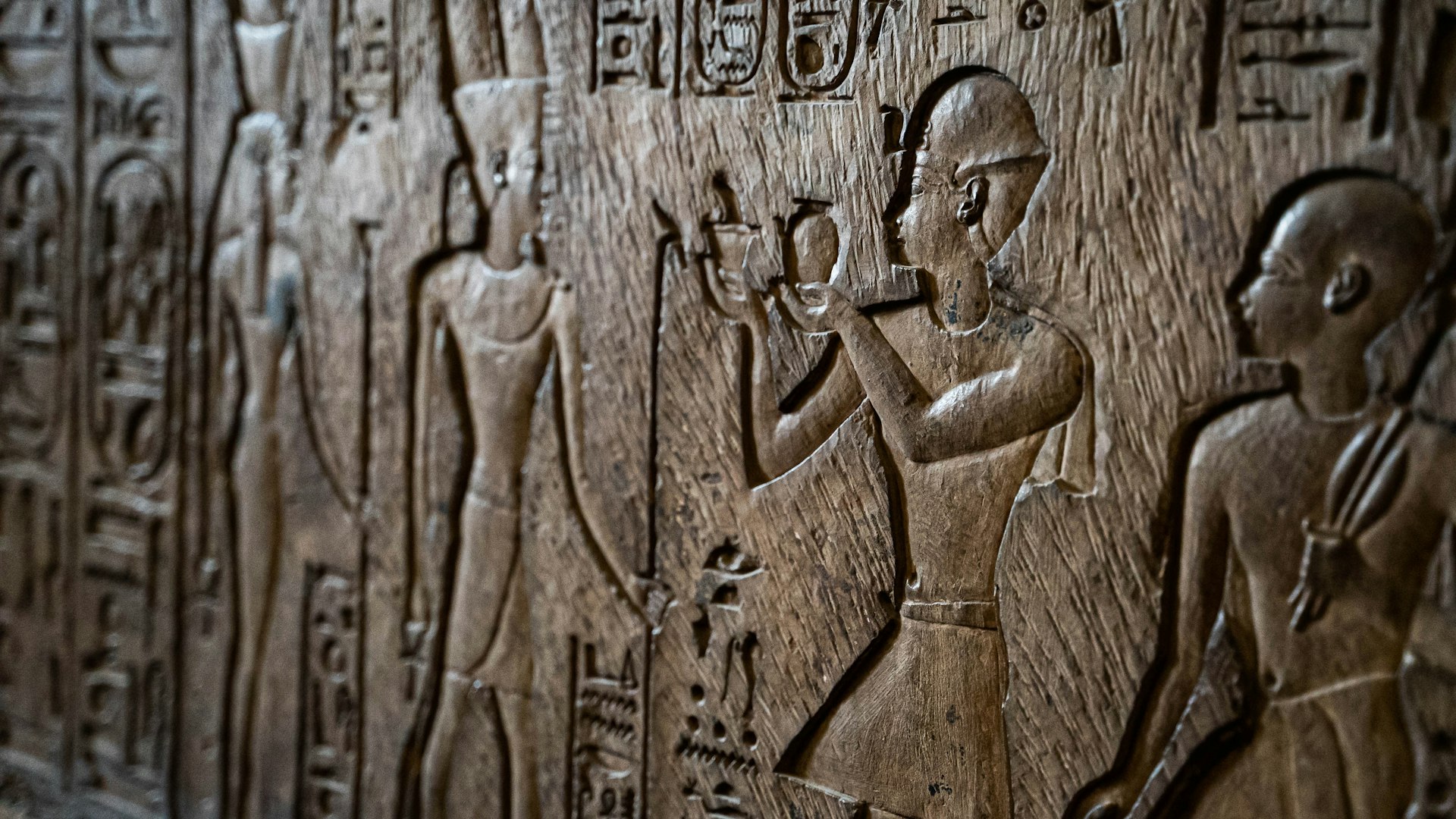

Photo by 2H Media on Unsplash
The Overlooked Foundations of Ancient Egyptian Medicine
Ancient Egypt is often celebrated for its monumental architecture and rich mythology, but few realize that the civilization’s approach to medicine was equally groundbreaking. Far from being primitive, Egyptian healers blended scientific observation with spiritual rituals, creating a holistic medical tradition that influenced cultures for millennia. By exploring recently recovered papyri, archaeological findings, and new interpretations, we can better understand the sophistication and practical wisdom behind ancient Egyptian healing, and learn how some of these principles remain relevant today.
The Healers of the Nile: More Than Just Priests
While many ancient societies relied on shamans or generalists, Egypt developed a system of highly specialized healers. Herodotus, the Greek historian, observed that Egyptian physicians focused on well-defined areas such as eyes, teeth, the head, or the abdomen. This division of labor was unusual for the era and allowed for deep expertise in diagnosis and treatment. Notably, these specialists were often considered both scientists and priests, reflecting the belief that illness could have natural or supernatural origins. The integration of scientific and magical practices highlights the Egyptians’ pragmatic approach to health [2] .
Lost Manuscripts and the Secret Papyrus Libraries
Much of what we know about Egyptian medicine comes from papyrus scrolls-ancient documents written on pressed reed fibers. While countless manuscripts were lost to grave robbers and the ravages of time, several key texts survived, including:

Photo by The New York Public Library on Unsplash
-
Kahun Papyrus
(c. 1800 BCE): Focused on gynecology, fertility, and women’s health. It outlined methods for diagnosis and treatment of reproductive disorders and described non-surgical interventions such as massage and herbal suppositories [2] . -
Edwin Smith Papyrus
: Provided detailed case studies on trauma and surgical procedures, showing anatomical knowledge and rational treatment approaches. It is considered the oldest known surgical treatise. -
Ebers Papyrus
(c. 1550 BCE): Contained over 800 remedies for ailments ranging from digestive complaints to skin disorders. Treatments included topical ointments, oral medications, and inhalation therapies [3] .
These documents showed that Egyptians recognized the importance of cleanliness, used standardized recipes, and understood the need for evidence-based observation. The loss of many papyri means that our current understanding is likely just a glimpse of a much larger and more nuanced tradition.
Advanced Surgical Techniques and Herbal Wisdom
Contrary to popular belief, Egyptian physicians performed a range of surgical interventions, from setting broken bones and suturing wounds to draining abscesses and even rudimentary brain surgery (trepanation). They used tools made from copper and bronze, and their methods were documented in step-by-step case reports. For anesthesia, alcohol and herbal sedatives were employed. Egyptians also pioneered the use of antiseptics; for example, honey and moldy bread were applied to wounds to prevent infection thanks to their antibacterial properties [1] .
Herbal remedies formed the backbone of Egyptian pharmacology. The Ebers Papyrus lists ingredients such as willow bark (which contains salicylic acid, a forerunner to aspirin), pomegranate (as an astringent), castor oil (as a laxative), and garlic (as an antimicrobial). More unusual treatments included animal products like crocodile dung and hyena bile, as well as minerals such as natron and malachite. While some of these remedies would not meet modern standards, many have been vindicated by scientific research [2] .
The Spiritual Dimension: Incantations and Magical Healing
Egyptians viewed health as a delicate balance between the body, mind, and spirit. Illness could result from physical injury, but also from spiritual affliction-such as a curse or demonic possession. To address these, priest-doctors used incantations, amulets, and rituals alongside traditional medicine. The Chester Beatty Medical Papyrus, for instance, describes magical spells to combat headaches and anorectal ailments [2] . The coexistence of science and spirituality was not seen as contradictory but rather as complementary pathways to healing.
Hygiene, Prevention, and the Birth of Public Health
Egyptian doctors understood the value of hygiene long before the germ theory of disease. Medical practitioners were required to bathe and shave daily, and surgical instruments were regularly cleaned. The link between environmental factors (such as the Nile’s flooding and agricultural cycles) and disease incidence was recognized, leading to early forms of preventive medicine. Malnutrition, parasitic infections, and occupational hazards were common, and the Egyptians developed strategies to mitigate these risks [1] .
Accessing Ancient Wisdom Today
Those interested in learning more about these hidden practices have several options:
- Visit reputable museum collections, such as the British Museum or the Egyptian Museum in Cairo, to view medical papyri and artifacts firsthand.
- Search academic databases and university libraries for translated texts and modern analyses of the Ebers, Edwin Smith, and Kahun papyri. Major institutions such as Harvard University, the University of Chicago, and Humboldt University of Berlin maintain extensive resources on ancient Egyptian medicine.
- Explore online resources from established organizations. For example, the Hektoen International Journal of Medical Humanities provides accessible articles on ancient medical systems, including Egypt [2] .
- To apply lessons from ancient Egyptian medicine in modern wellness practices, consult with licensed herbalists or integrative medicine practitioners who can offer insights into traditional remedies, always ensuring these approaches are evidence-based and safe.
For those seeking direct access to primary sources, it is recommended to use the official websites of major museums and academic publishers. If searching for translated medical papyri, use search terms like “Ebers Papyrus translation” or “ancient Egyptian medical manuscripts” in recognized academic catalogues or library systems. For expert commentary and historical context, refer to peer-reviewed journals and books published by established Egyptologists.
Challenges and Opportunities: Learning from the Past
Reviving ancient Egyptian medical wisdom presents challenges. Some treatments are outdated or unsafe by today’s standards, and many original texts are fragmentary or lost. However, aspects such as holistic care, the use of natural substances, and the focus on prevention remain instructive. When exploring these traditions, it is vital to approach historical remedies with skepticism and consult modern medical professionals before attempting any ancient practice. Alternative approaches, such as combining ancient herbal knowledge with contemporary research, can yield new perspectives in preventative care and wellness strategies.
Key Takeaways and Modern Inspiration
The hidden history of ancient Egyptian medicine reveals a civilization that valued observation, cleanliness, and a balanced approach to physical and spiritual health. By understanding their practices-rooted in both empirical knowledge and spiritual belief-we gain insight into the origins of modern medicine and the enduring human quest for healing. Whether through museum visits, academic study, or the careful adaptation of herbal wisdom, the lessons of Egypt’s healers continue to inspire new generations of medical thinkers and practitioners.