Unsung Trailblazers: Rediscovering the Overlooked Contributions of Minority Groups in American History
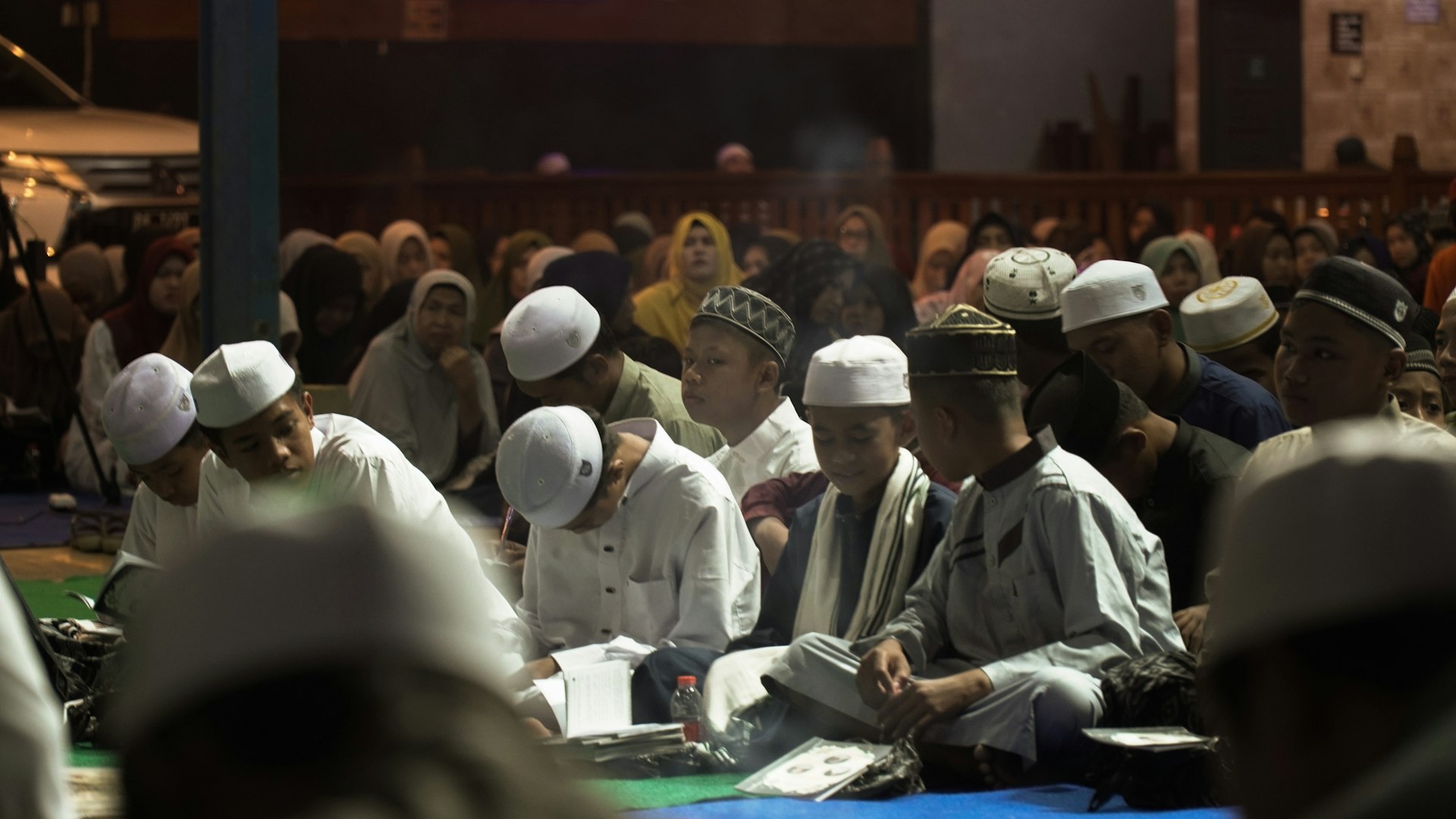

Photo by arifwdn on Unsplash
Introduction: The Importance of Recognizing Forgotten Contributions
American history is often recounted through the achievements of widely recognized figures, yet the story is incomplete without acknowledging the remarkable-and frequently forgotten-contributions of minority groups. These individuals and communities have played pivotal roles in advancing civil rights, medicine, science, and the arts. However, due to systemic biases, their achievements have often been omitted or attributed elsewhere. Addressing these omissions is essential for fostering a more inclusive understanding of our shared past and inspiring future generations to value diversity and perseverance.
1. Hidden Figures in Civil Rights Movements
While leaders like Martin Luther King Jr. and Rosa Parks are household names, numerous activists, strategists, and organizers remain underrepresented in mainstream historical narratives. For example, Bayard Rustin was a key architect of the 1963 March on Washington, yet his contributions were often overshadowed due to his open homosexuality and pacifist beliefs. Rustin played a critical role in shaping non-violent protest strategies and mentoring other leaders, yet his legacy is only now receiving broader recognition [1] . Another overlooked group is the African American women of the 6888th Central Postal Directory Battalion during World War II, who managed to deliver millions of letters to U.S. troops and kept morale high despite working under discriminatory conditions [1] . Their persistence and ingenuity ensured vital communication between soldiers and their families, yet their story was largely absent from history books until recently.
To learn more about these and other hidden civil rights figures, you can seek out books, documentaries, and oral histories from organizations like the Library of Congress or the National Museum of African American History and Culture. Many local historical societies also offer archives and programs dedicated to underrepresented voices in American history.
2. Pioneers in Science and Medicine
Minority groups have also made groundbreaking contributions to science and medicine, often without due credit. For instance, Onesimus , an enslaved West African man in colonial Boston, introduced inoculation practices that helped combat smallpox outbreaks in the eighteenth century. His knowledge, rooted in African medical traditions, laid the groundwork for the development of modern vaccines and saved hundreds of lives during a devastating epidemic [1] . Despite this, Onesimus’s story and the broader influence of African medical knowledge on Western practice remain underrepresented in mainstream curricula.

Photo by Amik Agst on Unsplash
Another example involves the “human computers”-African American women mathematicians at NASA-who contributed essential calculations to the U.S. space program. Their work was brought to light by the book and film “Hidden Figures,” but countless others remain unrecognized. To further explore these stories, you can search for terms like “forgotten minority scientists” or “hidden figures in medicine” through university library databases or reputable educational platforms such as the Smithsonian Institution.
3. The Role of Women in Social Justice Movements
Women of color have been foundational to the progress of civil rights and social justice movements, yet their stories are frequently omitted or minimized. According to historians, the Civil Rights Movement was not only a fight for racial equity but also a struggle for bodily autonomy and safety for Black women facing systemic abuse. Figures such as Mary Fair Burks , Daisy Bates , and Anne Moody played significant roles in legal challenges, community organizing, and advocacy, sometimes at the expense of their personal safety and family relationships [4] .
To access resources on these women and their impact, consider searching academic journals, the National Women’s History Museum, or specialized archives at major universities. Many universities also provide digital collections and oral histories that focus on the contributions of minority women to social justice.
4. Educational Gaps and How to Bridge Them
One major reason for the neglect of minority contributions is the historic underrepresentation of these stories in school curricula. Experts argue that American history education should begin by acknowledging the advanced civilizations and innovations brought by African, Indigenous, and other minority communities before and after colonization [2] . The omission of these narratives distorts the full picture of national development and innovation.
Efforts to expand curricula include advocating for inclusive teaching materials, participating in community education programs, and supporting organizations dedicated to historical equity. Educators and parents can request more comprehensive textbooks, attend local school board meetings, and utilize resources from groups like Teaching Tolerance and the Zinn Education Project. If you’re interested in supporting or joining these efforts, you can search for “inclusive history curriculum advocacy” or consult the websites of major educational nonprofits.
5. Steps to Discover and Support Forgotten Contributions
If you want to uncover and highlight the achievements of minority groups in your community or field, consider the following steps:
- Research Local Archives: Many public libraries and city archives hold records, oral histories, and exhibits featuring minority communities. Ask librarians for guidance on accessing these materials.
- Engage with Cultural Organizations: Museums such as the National Museum of African American History and Culture, the National Hispanic Cultural Center, and others offer rotating exhibits and educational programs focused on underrepresented histories. You can visit their official websites to learn about upcoming events and digital collections.
- Support Inclusive Storytelling: Volunteer with or donate to organizations that promote historical equity and representation, such as the Association for the Study of African American Life and History or local heritage societies.
- Advocate for Change: Contact local school boards or educational authorities to request more inclusive history curricula. Provide examples of overlooked figures and recommend resources from reputable institutions.
- Host Community Discussions: Organize reading groups, lectures, or workshops that explore the contributions of minority groups. Collaborate with local colleges or advocacy groups for speakers and materials.
While direct application and contact processes vary by organization, you can typically find contact forms, phone numbers, or email addresses on the official websites of museums, cultural centers, and nonprofit organizations. If unsure, you can call your local library or city’s cultural affairs department for referrals to the appropriate resources.
6. Overcoming Barriers and Ensuring Lasting Recognition
Barriers to recognition often include lack of documentation, language obstacles, and persistent inequities in funding for historical research. Overcoming these challenges requires sustained community engagement, support for academic research into minority histories, and continuous advocacy for policy reforms that ensure inclusive representation.
Some organizations offer grants or fellowships to support research and public programming on minority history. To find these opportunities, search using terms like “minority history research grants” or “community heritage fellowships” on the websites of national cultural foundations or academic associations. You may also inquire with your state’s humanities council or relevant university departments.
Conclusion: Building a More Inclusive Story
Recognizing the forgotten contributions of minority groups enriches our collective understanding and strengthens the social fabric. By seeking out hidden histories, supporting inclusive education, and sharing these stories, individuals and communities can help ensure that all voices are heard and remembered.