
Unlocking the Legacy of Ancient Greek Democracy: Origins, Evolution, and Impact
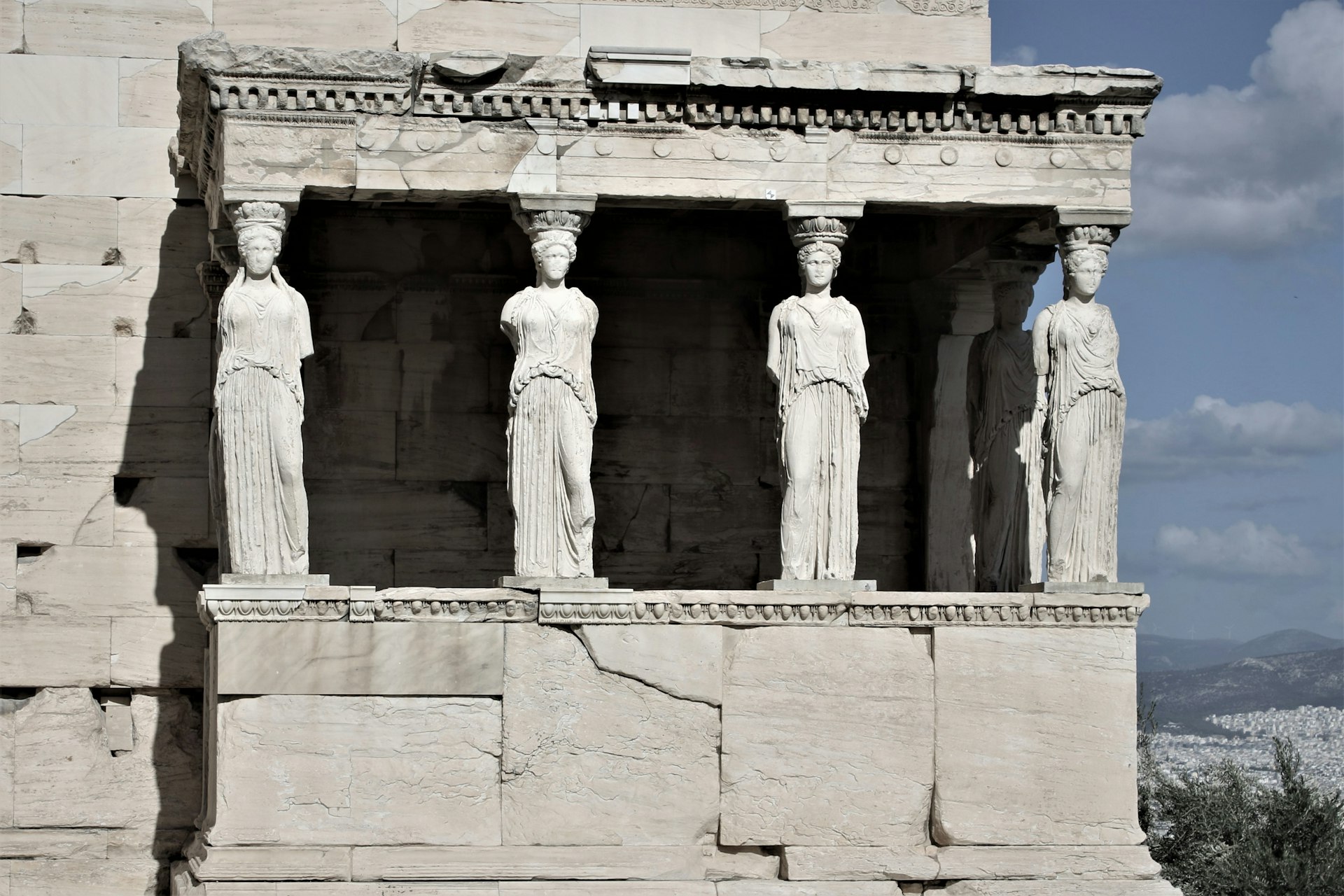

Photo by Pramod Kumar Sharma on Unsplash
Introduction to Ancient Greek Democracy
The concept of democracy, where all eligible citizens participate directly in political decision-making, has roots that trace back over two millennia. Ancient Greece-particularly the city-state of Athens-provided some of the earliest and most influential experiments in democratic governance. Understanding the history of ancient Greek democracy not only offers insight into the political innovations of the past but also highlights lessons relevant to civic engagement and governance today. This article explores the origins, evolution, and legacy of ancient Greek democracy, offering guidance for those seeking to research or study this foundational chapter in world history.
Foundations: Early Experiments and Key Reforms
While Athens is the most famous example, several Greek city-states experimented with forms of citizen participation. Athenian democracy developed in stages, influenced by social unrest, economic inequalities, and demands for broader participation. The journey began in the 7th and 6th centuries BCE, as Athens transitioned from monarchy and oligarchy toward a more inclusive system.
Major figures and reforms include:
- Solon (c. 594 BCE): Tasked with addressing social crises, Solon implemented reforms that laid the groundwork for democracy. He restructured debt laws, established new courts, and allowed broader citizen participation in the political process-though significant power remained with the aristocracy [1] .
-
Cleisthenes (c. 508 BCE):
Often regarded as the “Father of Athenian Democracy,” Cleisthenes broke the power of noble families by organizing citizens into new voting units based on geography rather than hereditary privilege. He introduced the practice of
ostracism
-the ability to exile citizens deemed dangerous to the state-and expanded the role of the assembly [4] .
For those interested in primary accounts, consider searching for Aristotle’s “Athenian Constitution” and the works of Herodotus or Thucydides using academic databases or university libraries. Many translated sources are available through reputable institutions.
The Structure and Functioning of Athenian Democracy
By the 5th century BCE, Athens had developed a direct democracy. Unlike modern representative systems, Athenian democracy required citizens to participate in person at the assembly (
ekklesia
), where they debated and voted on laws, public policies, and even matters of war and peace. Key institutions included:
- The Assembly: Open to all male citizens over 18, the assembly met regularly to decide major issues. Decisions were made by majority vote, often by a show of hands.
-
The Council of 500 (
Boule
): Members were chosen by lot from the citizenry and served for one year. The council set the agenda for the assembly and oversaw day-to-day governance. - Court System: Large juries selected by lot adjudicated most legal disputes, limiting the influence of elites and ensuring greater fairness [4] .
Women, slaves, and resident foreigners (
metics
) were excluded from participation. Adult male citizens typically made up no more than 30% of Athens’s adult population
[4]
. For modern readers, this highlights both the radical inclusivity among citizens and the stark limitations by today’s standards.
Milestones in the Evolution of Democracy
Athenian democracy did not remain static. Over time, further reforms and crises shaped its character:
- Ephialtes (c. 462 BCE): Reduced the power of the aristocratic Areopagus council, increasing the influence of the assembly and popular courts [1] .
- Pericles (c. 495-429 BCE): Led Athens during its “Golden Age,” introducing pay for public officials and jurors, which enabled poorer citizens to participate fully in public life [4] .
- Oligarchic Revolutions: Democracy was interrupted twice during the Peloponnesian War (411 BCE and 404 BCE) but was restored each time, showing both its vulnerability and resilience.
- Suppression and Legacy: Democracy ended in 322 BCE under Macedonian rule but left a lasting blueprint for future generations [4] .
For a detailed chronology, consult timelines from established history resources such as the World History Encyclopedia or university-hosted digital projects [1] .
Practical Guidance for Research and Study
If you wish to explore the history of ancient Greek democracy in depth, several pathways are available:

Photo by Kostas Vourou on Unsplash
- University and Public Libraries: Search for books by leading historians such as Josiah Ober, Mogens Herman Hansen, or Paul Cartledge. Use keywords like “Athenian democracy,” “Cleisthenes reforms,” and “ancient Greek political systems.” Many libraries offer interlibrary loan services for specialized texts.
- Academic Databases: Platforms like JSTOR, Project MUSE, and Google Scholar provide access to peer-reviewed articles on ancient Greek government. You may need institutional access or a public library card to retrieve full texts.
- Museum and Archive Collections: Major museums such as The British Museum or the National Archaeological Museum in Athens host artifacts and virtual exhibits about ancient Greek democracy. Visit their official websites and search for “Athenian democracy” to access digital resources or plan a visit.
- Reputable Online Encyclopedias: The World History Encyclopedia and Wikipedia’s Athenian Democracy page offer overviews and links to further reading. For educational use, always verify information against academic sources.
- Expert Lectures: Universities like Yale and Harvard publish open lectures on platforms such as YouTube and edX. Search for “Greek democracy lectures” or “Athenian democracy course” to find free, reputable video content.
For those seeking in-person expertise, consider contacting classics or history departments at nearby universities for guest lectures, seminars, or public events.
Challenges and Lessons from Ancient Greek Democracy
Despite its innovations, ancient Greek democracy faced continual challenges:
- Exclusivity: Only a minority could participate. This exclusion of women, slaves, and foreigners is a critical area of study and debate among modern historians [4] .
- Political Instability: Periodic coups and the risk of mob rule highlighted democracy’s fragility. The execution of generals after the Battle of Arginousai (406 BCE), for instance, demonstrated the dangers of popular justice unchecked by legal safeguards [1] .
- Ostracism: The practice of exiling citizens could be used for political maneuvering as much as for genuine threats to the state.
Modern democratic systems have built on, but also moved beyond, the Greek model. Lessons from Athens underscore the importance of inclusivity, legal protections, and balancing majority rule with minority rights.
Key Takeaways and Next Steps
Understanding the history of ancient Greek democracy offers valuable perspectives for students, educators, and anyone interested in the evolution of self-government. Key takeaways include:
- Democracy in ancient Greece was a product of gradual reforms, responding to local needs and crises.
- The Athenian system was direct, participatory, and innovative but also limited by modern standards.
- Studying this history requires examining both the achievements and the shortcomings of the past.
To pursue further study, use official academic resources, search library catalogs for key topics, and verify all information against established historical scholarship. For classroom or independent research, consider comparing ancient Greek democracy with other historical and modern governance systems to deepen your understanding of civic participation, rights, and responsibilities.