
Unfolding the Expansion: How the British Empire Grew from Island Nation to Global Powerhouse
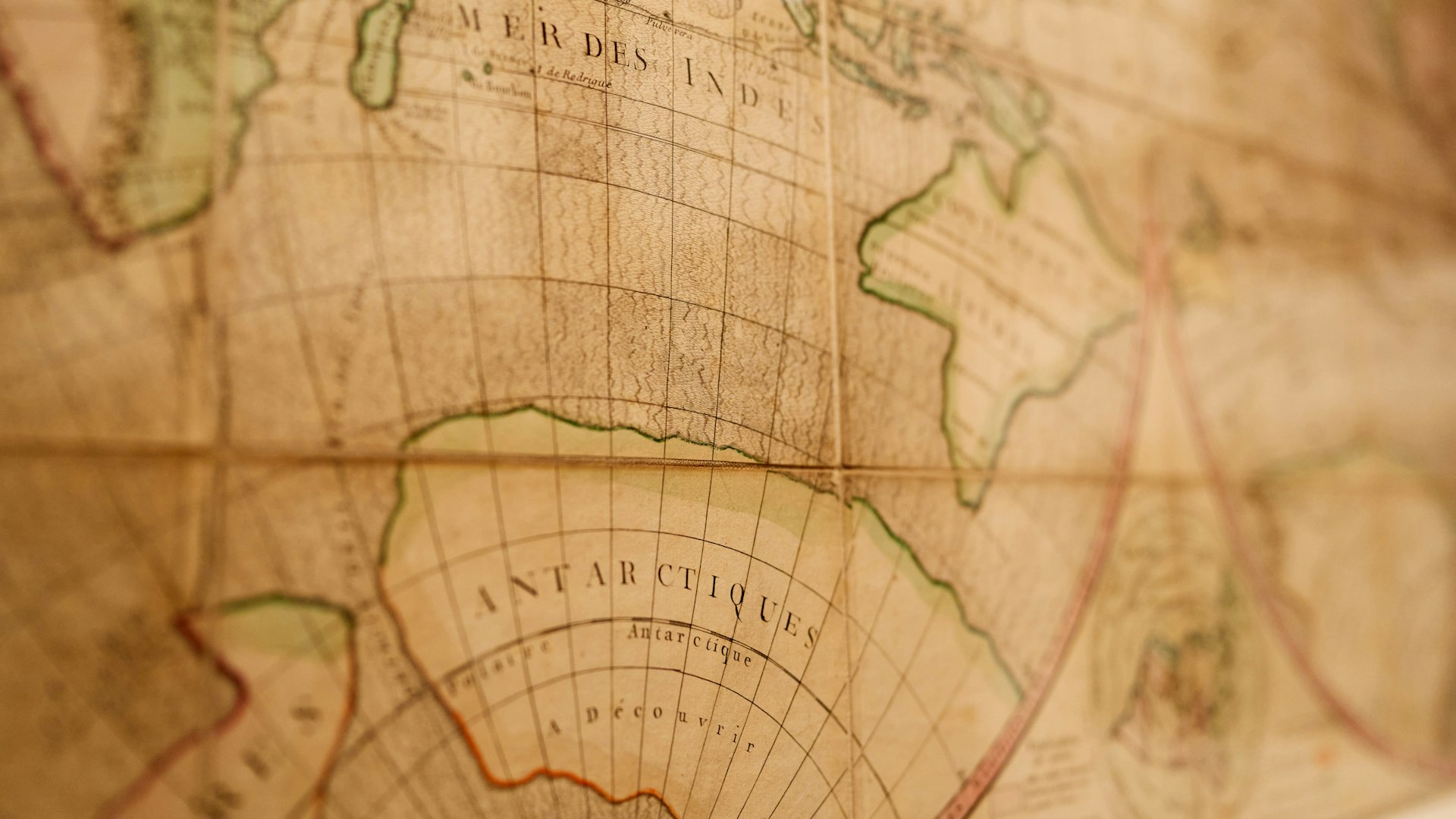

Photo by Arie Oldman on Unsplash
The Origins of the British Empire: Early Ambitions and Maritime Ascendancy
The British Empire’s story begins in the late 15th and 16th centuries, a period marked by fierce competition among European powers for overseas territories. In 1497, John Cabot’s expedition to Newfoundland, commissioned by King Henry VII, signaled England’s early intent to participate in global exploration [3] . The defeat of the Spanish Armada in 1588 was a turning point: this military triumph established England’s naval supremacy and opened new avenues for overseas expansion [2] . This era laid the groundwork for the empire’s rise, with English explorers and traders seeking opportunities from the Americas to Asia.
Building Foundations: The East India Company and Early Colonies
In 1600, Queen Elizabeth I granted a royal charter to the East India Company, enabling English merchants to establish trading posts in India. This development was not just about commerce-it was a strategic move that would shape the geopolitical landscape of South Asia and later become the backbone of British influence in the region [1] . Meanwhile, England’s ambitions in the Americas were realized with the founding of Jamestown, Virginia, in 1607, representing the first permanent English settlement in North America [2] . The Navigation Acts of the mid-17th century further consolidated imperial control, ensuring that trade benefitted the British economy and established a closed economic network among its colonies.
Transatlantic Trade and the Expansion into Africa and the Caribbean
During the 17th and 18th centuries, the British Empire expanded its reach across the Atlantic. The conquest of Jamaica in 1655 and the establishment of trading posts along the West African coast marked Britain’s growing involvement in the transatlantic slave trade and plantation economies [2] . These territories supplied valuable commodities-such as sugar and tobacco-to the British market while creating new markets for British manufactured goods. Early settlements in Australia began with the founding of penal colonies in 1788, illustrating Britain’s global ambitions and its use of distant lands for both economic and strategic purposes.
The Victorian Age: The Apex of Imperial Expansion
The 19th century, particularly under Queen Victoria’s reign, was the zenith of British imperial power. The opening of the Suez Canal in 1869 transformed global trade by drastically shortening the route to India, further cementing Britain’s dominance in South Asia and the Middle East [1] . Britain’s influence spread rapidly across Africa during the so-called ‘Scramble for Africa’ (1881-1919), resulting in control over vast territories stretching from Egypt to South Africa. Colonies such as Nigeria, Kenya, and Uganda were acquired, often through a combination of diplomatic pressure, military force, and economic leverage.
Meanwhile, Britain established control or influence over strategic locations worldwide: Hong Kong (1843), New Zealand (1841), Fiji (1874), Cyprus (1878), and the formation of the Commonwealth of Australia in 1901 [1] . The empire’s expansion was rarely uncontested-numerous uprisings and resistance movements, such as the Indian Rebellion of 1857 and the Morant Bay Rebellion in Jamaica (1865), underscored the complexities and conflicts inherent in imperial rule.
Economic Motives and the Global Marketplace
The expansion of the British Empire was driven by a combination of economic, strategic, and ideological motives. Access to raw materials-such as gold, diamonds, spices, and cotton-fueled Britain’s industrial growth and supplied its factories. The colonies also represented lucrative markets for British goods, reinforcing the economic interdependence of the imperial system [1] . Strategic considerations, such as controlling sea routes and protecting commercial interests, were equally important. The British navy played a crucial role in maintaining these global connections, ensuring that Britain remained at the center of world trade and politics.
Societal Impact and Resistance
The expansion of the British Empire brought profound changes-both positive and negative-to the societies it encountered. On one hand, the empire introduced new technologies, administrative systems, and legal frameworks. On the other, it often disrupted local economies, displaced indigenous populations, and imposed foreign rule. Resistance to British expansion was common, with local leaders and communities mounting rebellions or negotiating for autonomy. Understanding these dynamics is essential for anyone researching or teaching the history of imperialism. If you wish to explore primary sources, many British and Commonwealth archives provide digitized collections. For in-depth research, consider searching the British National Archives or exploring university library databases using keywords such as “British Empire colonial records” or “imperial resistance movements.”

Photo by The New York Public Library on Unsplash
Accessing Resources: Practical Steps for Research and Further Learning
If you are interested in examining original documents, statistical data, or scholarly analysis on the British Empire’s expansion, you can:
- Visit the British Library or use its digital collections to locate primary sources and historical maps. Search for “British Empire expansion” in their online catalog.
- Access the UK National Archives, which houses extensive records relating to colonial administration, military campaigns, and treaties. Use search terms such as “colonial correspondence” or “imperial administration” for targeted results.
- Consult academic databases like JSTOR or university library portals for peer-reviewed articles and recent scholarship.
- Explore public history sites such as HistoryExtra for accessible articles, timelines, and expert commentary [1] .
- Use reputable encyclopedias for chronological overviews and links to further resources [2] .
If you need help accessing these resources, most institutions offer research guides or online help desks. You can also contact university history departments or professional organizations for further assistance.
Challenges in Studying Imperial Expansion: Navigating Complexity and Controversy
Studying the history of the British Empire’s expansion can be complex due to the diversity of experiences across regions and the evolving perspectives of historians. Some challenges include interpreting biased or incomplete records, understanding the viewpoints of colonized communities, and reconciling the economic benefits of empire with its human costs. To address these issues:
- Seek out multiple perspectives, including works by historians from formerly colonized countries.
- Use critical reading strategies when examining primary sources, considering the context and purpose behind each document.
- Participate in academic forums, conferences, or public lectures to stay updated on recent scholarship.
- Consider comparative studies with other empires to gain broader insights into global patterns of expansion and resistance.
Key Takeaways and Continuing Your Exploration
The British Empire’s expansion reshaped the world through commerce, culture, and conflict. Its legacy remains visible in political boundaries, languages, and legal systems today. To deepen your understanding, you can:
- Search for digital exhibitions on museum and library websites focusing on imperial history.
- Engage with local historical societies or educational outreach programs that address imperialism’s impact in your region.
- Utilize open-access educational resources and documentary series for an accessible introduction to key events and figures.
The study of the British Empire’s expansion is ongoing, with new research continually emerging. By following the practical steps and strategies outlined above, you can access authoritative information, contribute to informed discussions, and develop a nuanced perspective on this significant chapter of world history.