Understanding the Lasting Impact of Colonialism on Indigenous Cultures
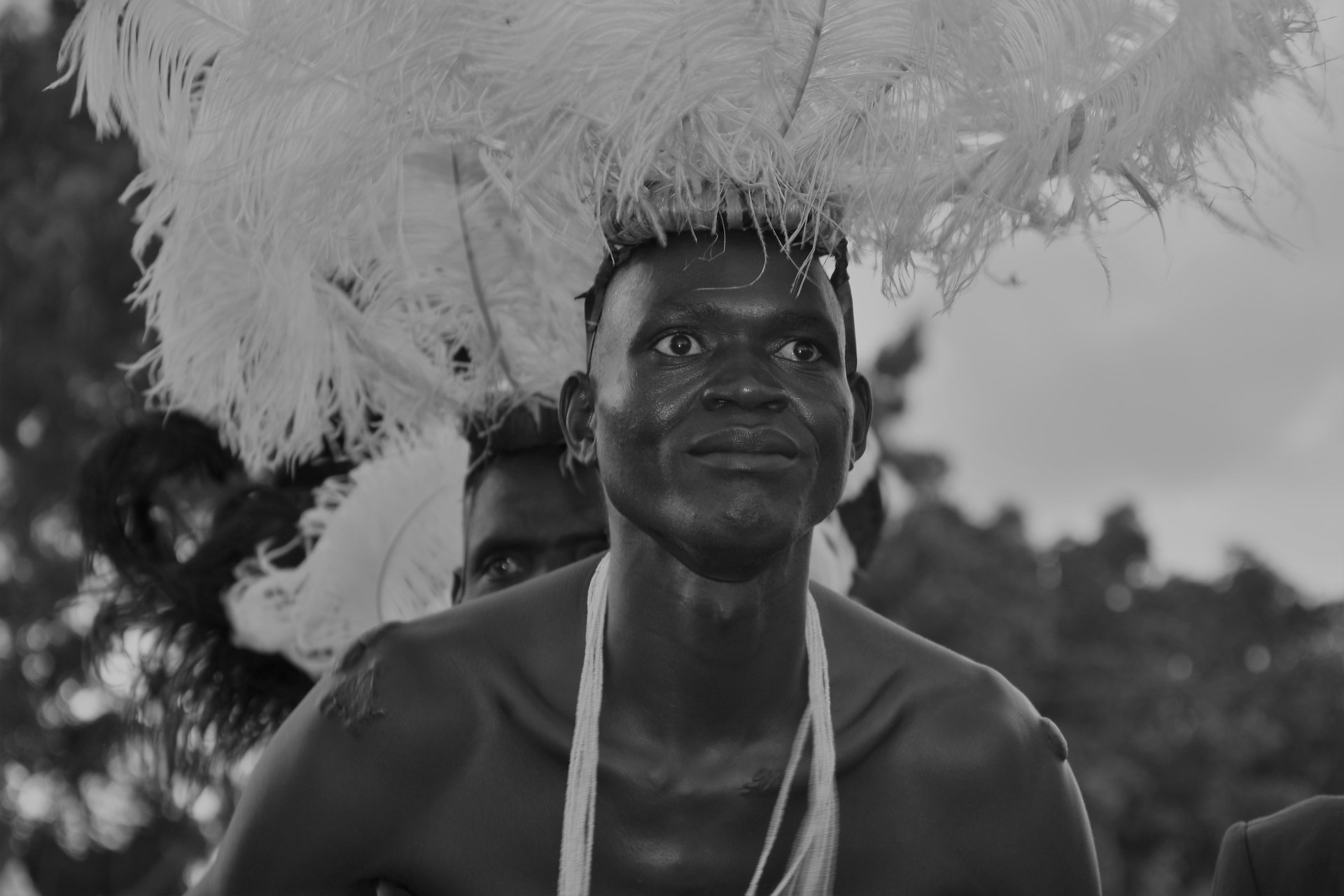

Photo by Roman Derrick Okello on Unsplash
Introduction
Colonialism has left a profound and enduring legacy on indigenous cultures worldwide. The arrival and domination of foreign powers led to sweeping changes in indigenous societies, from forced displacement and cultural erasure to economic exploitation and social marginalization. Understanding the many facets of this impact is essential not only to recognize historical injustices but also to support ongoing efforts for cultural revitalization, economic recovery, and social justice among indigenous peoples.
Physical Displacement and Loss of Land
One of the immediate and most devastating effects of colonialism was the physical displacement of indigenous peoples. Colonizers often seized land for resource extraction, agriculture, or settlement, displacing entire communities and sometimes decimating populations through violence and disease. In many cases, treaties were signed under duress or deceit, leading to indigenous peoples being forced onto smaller, less fertile lands. This disruption severed their connection to ancestral territories, which were not only sources of sustenance but also integral to their cultural and spiritual identities [1] [3] .
Practical steps for indigenous communities to address loss of land often involve legal action, land claims, or negotiations with governments. You can learn more about these processes by consulting official government websites or contacting indigenous organizations within your region. Advocacy, documentation of traditional land use, and alliances with environmental and social justice groups are also vital approaches.
Cultural Erosion and Assimilation
Colonial authorities frequently imposed their own languages, religions, and cultural norms, suppressing or outright banning indigenous languages, traditions, and belief systems. The establishment of residential or boarding schools, where indigenous children were often forbidden to speak their languages or practice their customs, was a widespread strategy intended to erase indigenous identities [1] [2] [4] . In South America, for example, Spanish and Portuguese became the dominant languages, pushing native tongues to the brink of extinction. The loss of language represents more than lost words-it means the disappearance of entire worldviews and cultural knowledge.
Individuals seeking to reconnect with or revitalize indigenous languages and traditions may consider joining local cultural organizations, participating in language classes, or supporting community-led revitalization efforts. Many indigenous communities offer workshops, online resources, and cultural events aimed at preserving and passing on traditional knowledge. Search for “indigenous language revitalization programs” or contact your local indigenous council for more information.
Population Decline and Health Impacts
Colonization introduced diseases such as smallpox, measles, and influenza to which indigenous populations had no natural immunity. Combined with violence, forced labor, and harsh living conditions, these diseases caused catastrophic population declines. For instance, in the Americas, it is estimated that up to 74% of the indigenous population perished due to colonial impacts [4] . The resulting trauma-physical, emotional, and cultural-continues to affect generations, contributing to health disparities and reduced life expectancy in many indigenous communities today.
If you are researching indigenous health programs or support networks, consult your country’s health department or recognized indigenous health organizations. Mental health resources and intergenerational trauma support may also be available; search for “indigenous wellness initiatives” or “cultural healing programs” in your region for guidance.
Economic Exploitation and Inequality
Colonial powers frequently exploited indigenous peoples and their resources, restructuring traditional economies to serve colonial interests. This included forced labor, extraction of minerals and crops, and relegating indigenous populations to economic dependence or poverty. The imposition of foreign economic systems dismantled traditional livelihoods and created deep, persistent socio-economic disadvantages that many indigenous communities face today [1] [2] .

Photo by Manny Becerra on Unsplash
To address economic challenges, indigenous leaders often advocate for land rights, self-determination, and access to traditional resources. Community development programs, small business initiatives, and partnerships with NGOs are common strategies. For practical support, reach out to local indigenous economic development offices or search for “indigenous entrepreneurship programs” through official government portals or reputable non-profit organizations.
Loss of Knowledge, Language, and Spirituality
Colonialism’s suppression of language and cultural practices has led to the endangerment or extinction of many indigenous languages. As language is a vessel for cultural knowledge, spirituality, and environmental stewardship, its loss undermines the transmission of vital traditions and values. Spiritual practices were often banned or replaced by imposed religions, further eroding cultural identities [3] .
Language and cultural revitalization efforts are underway in many regions. You can participate by supporting or volunteering with indigenous language schools, attending cultural festivals, or advocating for the inclusion of indigenous perspectives in education. Consider searching for “indigenous cultural centers” or “language immersion programs” to find opportunities in your area.
Resistance, Resilience, and Revitalization
Despite these overwhelming challenges, indigenous peoples have demonstrated remarkable resilience. Resistance took forms ranging from organized uprisings and legal battles to the secret retention of languages and customs. Today, many communities are actively reclaiming their heritage through language programs, legal efforts for land restitution, and the revival of traditional practices [1] .
If you wish to support these efforts, consider learning about local indigenous movements, donating to indigenous-led organizations, or participating in cultural events. Advocacy and allyship are also powerful tools-educate yourself and others about indigenous histories, rights, and current initiatives. For more details, consult recognized indigenous rights organizations and academic centers specializing in indigenous studies.
Accessing Resources and Taking Action
If you are seeking to support indigenous communities or access cultural revitalization programs, start by:
- Contacting local or national indigenous organizations for information on programs and events.
- Researching “indigenous language revitalization” or “land claim process” along with your state, province, or country to find official resources.
- Exploring partnerships with educational or non-profit organizations focused on indigenous rights and cultural preservation.
- Engaging in cultural competency training or workshops offered by indigenous groups.
- Support advocacy campaigns for the protection of indigenous rights, land, and resources through verified organizations and government initiatives.
Always use official government portals or recognized non-profit organizations when seeking support or information. If you are unsure where to start, search for terms like “indigenous cultural center near me” or “government indigenous affairs department.”
Conclusion
The impact of colonialism on indigenous cultures is deep and far-reaching, affecting land, language, economy, and identity. While the scars of colonialism remain visible, indigenous communities continue to resist, adapt, and reclaim their heritage. Ongoing recognition, support, and collaborative action are essential for the preservation and revitalization of indigenous cultures for future generations.
References
- [1] IJRPR (2023). Colonialism and its lasting impact on indigenous cultures.
- [2] MEDLIFE Movement (2023). Colonialism’s Impact on Indigenous Cultures in South America.
- [3] Matheson, K. et al. (2022). Canada’s Colonial Genocide of Indigenous Peoples.
- [4] Dartmouth Library (2023). Indigenous People & Settler Colonialism.