Uncovering the Hidden History of Africa's Vast Trade Empires
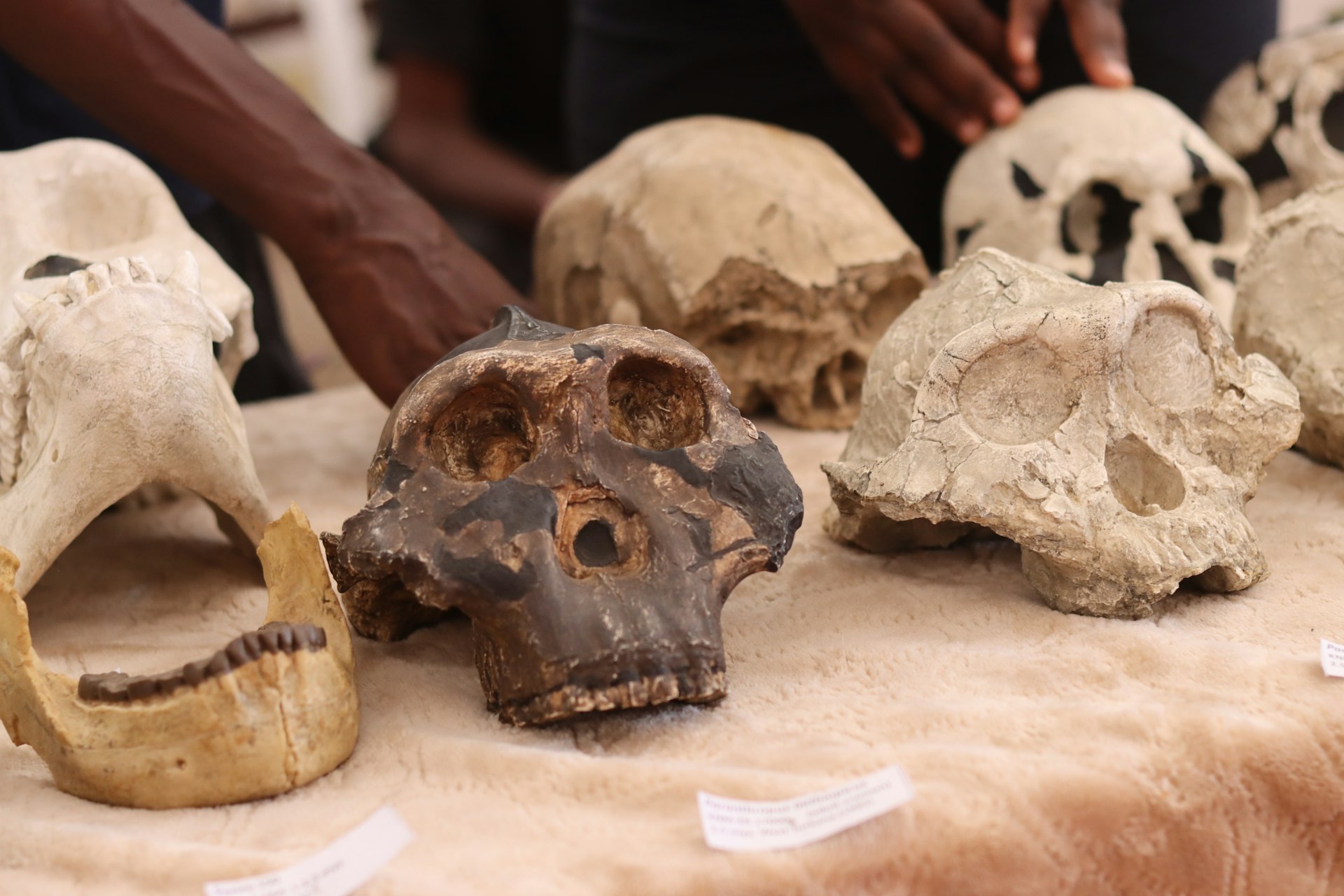

Photo by Regarn Hope on Unsplash
The Forgotten Foundations: Africa’s Trade Empires and Their Global Impact
For centuries, Africa’s ancient trade empires shaped the destiny of continents. Their networks transported gold, salt, ivory, and textiles, fueling economies from North Africa to Europe, the Middle East, and beyond. Yet, much of their true story remains obscured by time and myth. Understanding these empires isn’t just about the past; it means unlocking new perspectives on economics, culture, and global connections that are directly relevant to researchers, educators, and entrepreneurs today.
Establishing the Trade Routes: Innovation and Adaptation
The success of Africa’s trade empires depended on the mastery of harsh environments and groundbreaking innovation. Before the Common Era, trade in the Sahara was local and limited by the use of animals like donkeys and horses, which struggled in desert conditions. The introduction of the camel in the first millennium CE, with its ability to withstand long, arid journeys, enabled caravans to regularly traverse the vast Sahara. These caravans, sometimes numbering thousands of camels, became the moving arteries of commerce, carrying goods and culture between continents [2] .
Major trade centers rose along these routes: Timbuktu, Gao, Agadez, Djenne in the west, and coastal ports like Marrakesh, Tunis, and Cairo in the north. The trade wasn’t just about moving goods, but also knowledge and faith, as Islam spread along these same routes, binding traders and empires with shared beliefs and languages [1] .
The Rise of Ghana, Mali, and Songhai: Power Built on Gold
Three major empires- Ghana, Mali, and Songhai -dominated West Africa between the 8th and 17th centuries. These empires amassed power through control of gold fields and the imposition of taxes on trade, particularly gold, which became the foundation of their immense wealth [3] . Ghana, also known as Wagadu, enforced a unique double-tax system: gold was taxed both when it entered and when it left the empire, amplifying state revenue and strengthening its hold over regional commerce.
The empire of Mali, rising in Ghana’s wake, expanded on these foundations. Under the legendary ruler Mansa Musa , Mali controlled vast goldfields and became globally recognized for its wealth. Mansa Musa’s extravagant pilgrimage to Mecca in 1324, accompanied by a massive caravan and huge quantities of gold, stunned the Mediterranean world and demonstrated the immense resources of West Africa [4] . Songhai, succeeding Mali, further developed trade infrastructure and military prowess, creating one of the largest states in African history.
Hidden Histories: Economic Innovations and Social Structures
Beyond their legendary gold, these empires pioneered trade systems and social structures that remain influential today. For example, the Dyula , a merchant caste in West Africa, specialized in trade and played a key role in connecting different regions and cultures. Caravans, often protected by military escorts, traveled the Sahara, with journeys taking up to 40 days to complete. The scale was immense: some caravans included up to 10,000 camels and scores of traders [1] .
Trade goods included not only gold and salt, but also ivory, textiles, precious stones, and even enslaved people. The value of salt, for instance, cannot be overstated-essential for preserving food and sustaining life, salt was as valuable as gold in certain regions. The demand for West African gold was so high that it became the standard for minting coins in European economies, further entwining African and global histories [2] .

Photo by Arie Oldman on Unsplash
Practical Steps: How to Research and Access Hidden Histories
For educators, students, and independent researchers seeking to uncover more about Africa’s trade empires, there are several practical approaches:
- Start with Reputable Museums and Archives: Many museums, such as the British Museum and local African heritage institutions, offer digital collections and curated exhibits on African civilizations. To locate these, search for “West African empires” and “trans-Saharan trade” in museum digital catalogs.
- Use Academic Databases: University libraries provide access to journals and books on African history. If you are affiliated with an academic institution, log in to your library portal and search for “Mali Empire trade,” “Ghana Empire gold,” and similar terms in databases like JSTOR or Project MUSE.
- Explore Open Educational Resources: Platforms like OpenStax present peer-reviewed content on global history, including African trade empires. OpenStax is a verified, authoritative source for educational materials [2] .
- Visit Local Libraries: Librarians can guide you to books and resources on African history, and many public libraries now offer interlibrary loan services for hard-to-find materials.
When searching online, always use official websites or academic portals. Avoid unofficial sites or forums when seeking historical accuracy.
Case Studies: Lasting Legacies in Modern Africa
Contemporary West African nations, including Ghana and Mali, draw both inspiration and identity from these ancient empires. For example, the Asante (Ashanti) Kingdom, which rose after the decline of Songhai, became renowned for its sophisticated gold craftsmanship and political organization. Artifacts and traditions from these empires are still celebrated in festivals, museums, and academic research today [4] .
Modern trade hubs in West African cities often mirror the historic centers of commerce. Today, regional organizations such as the Economic Community of West African States (ECOWAS) promote economic integration, echoing the unity fostered by the great empires. While the commodities have evolved-now including oil, cocoa, and technology-the foundation of regional cooperation and trade persists.
Overcoming Challenges and Misconceptions
Many misconceptions persist about Africa’s historical role in global trade. Some believe that Africa was isolated or lacked complex economic systems, but the evidence of sophisticated trade routes, taxation systems, and urban centers proves otherwise. Language barriers, colonial legacies, and inadequate coverage in standard history curricula have contributed to the “hidden” aspect of these histories. Overcoming these challenges requires intentional research, critical evaluation of sources, and engagement with African scholars and communities.
If you are uncertain about sources or need guidance in accessing specialized materials, consider reaching out to university African studies departments. Many institutions offer public seminars, online lectures, and research guides curated by experts.
Key Takeaways and Actionable Guidance
The hidden history of Africa’s trade empires is rich with lessons about innovation, resilience, and global interconnectivity. Whether you are an educator, student, or lifelong learner, here are practical steps you can take:
- Use search terms such as “trans-Saharan trade,” “Mansa Musa,” “Ghana Empire gold trade,” and “Dyula merchants” in academic databases and digital archives.
- Attend public lectures or webinars hosted by museums and universities specializing in African history.
- Contact local or national African diaspora organizations for recommendations on books, documentaries, and guest speakers.
While specific online courses or research programs may be available, always check with established educational institutions for current offerings and verify details on their official websites before enrolling or paying fees.
References
- [1] Exploros (n.d.). Ancient Africa: Trade Routes. Overview of key trade routes and goods.
- [2] OpenStax (2023). The Roots of African Trade. Comprehensive academic chapter on African trade empires.
- [3] ABHM (2021). Three of the World’s Most Influential Empires. Background on Ghana, Mali, and Songhai.
- [4] Colchester Museums (n.d.). Hidden Histories: West African Gold. Exhibit on gold and empire wealth.