Tracing the Origins and Beginnings of Martial Arts: Ancient History and Global Roots
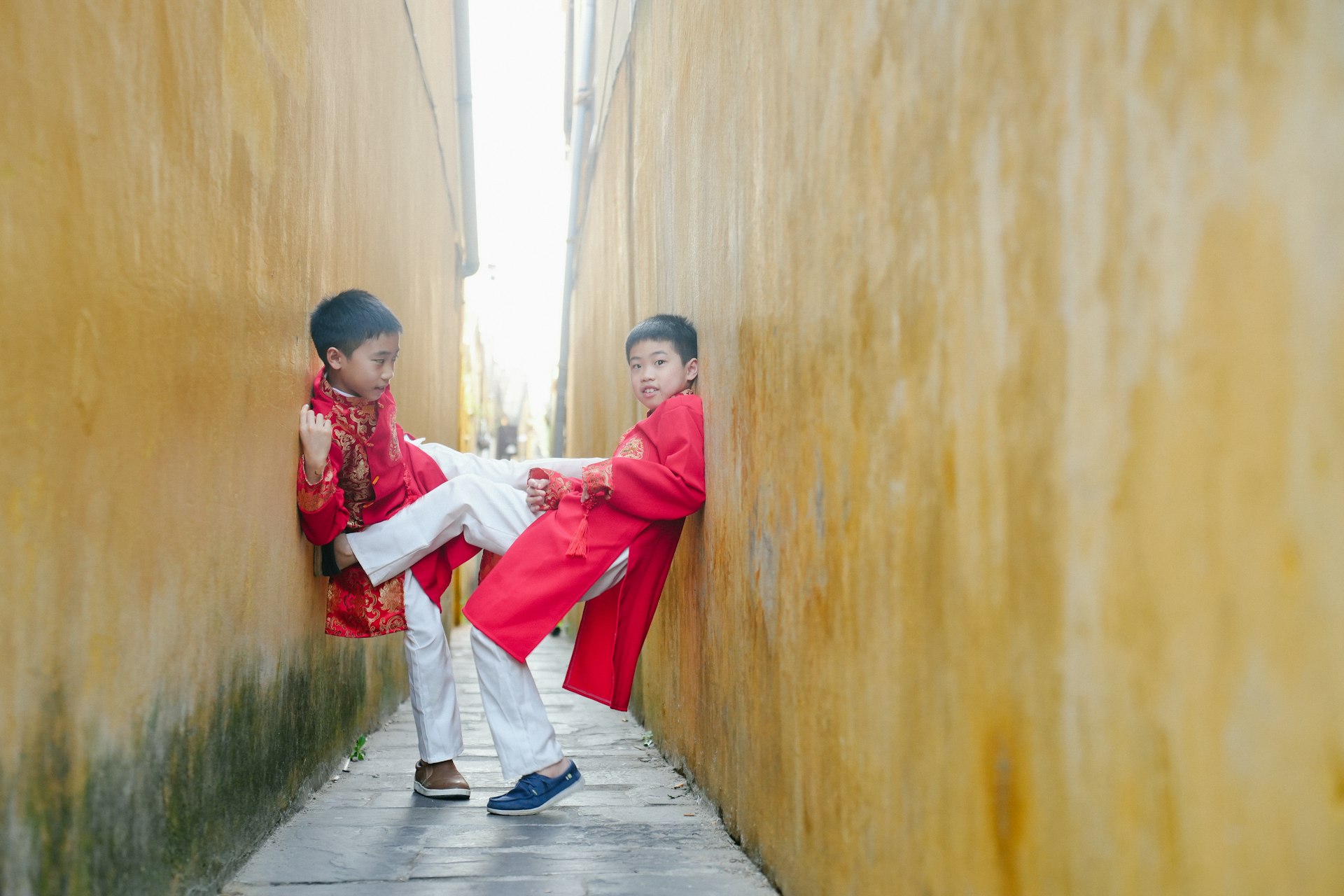

Photo by Hoi An Photographer on Unsplash
Introduction: Understanding Martial Arts Origins
Martial arts are more than just combat techniques-they are living traditions shaped by thousands of years of human ingenuity, survival, and cultural exchange. For those curious about when martial arts began and where they originated, the answers reveal an enduring legacy that spans continents and millennia. This article provides a comprehensive exploration of martial arts’ earliest history, their geographical roots, real-world examples, and practical guidance for anyone interested in experiencing these rich traditions.
Ancient Beginnings: When Did Martial Arts Start?
The earliest evidence of martial arts dates back as far as 3,000 BCE, making it one of humanity’s oldest organized practices. Archaeological discoveries, such as ancient sculptures, paintings, and written records, show that combat arts were present in early civilizations across the globe. For example, paintings in Egyptian tombs from around 2500 BCE depict both boxing and wrestling, while similar depictions of organized combat appear in Mesopotamian, Greek, and Chinese artifacts [1] [2] [5] . These early systems were not only for sport but also for self-defense, military training, and even spiritual discipline.
Wrestling and boxing are among the oldest documented martial arts. Wrestling appears in artwork from ancient Egypt, while boxing scenes are found in Mesopotamian reliefs and in Minoan civilization art. The Greek martial art of pankration, which combined wrestling and boxing with additional strikes and holds, is considered a direct ancestor of modern mixed martial arts and was featured in the earliest Olympic Games [3] [4] .
Geographical Origins: Where Did Martial Arts Originate?
The question of
where martial arts originated
does not have a single answer. Instead, martial arts
developed independently
in various regions, each responding to unique cultural, environmental, and military needs. However, historians generally agree that Asia, specifically India and China, played pivotal roles in shaping the martial arts as we know them today.
In India , ancient texts such as the Vedas and the Mahabharata reference early forms of martial practices, including armed and unarmed combat. Kalaripayattu, which originated over 3,000 years ago, is widely regarded as one of the world’s oldest fighting systems. Blending physical training with meditation and spiritual discipline, Kalaripayattu influenced other martial traditions in Asia [1] .
From India, martial arts concepts spread across Asia. Notably, the Indian monk Bodhidharma is credited with bringing physical and meditative training to China in the 6th century CE, where it merged with Taoist philosophy to form what would become Shaolin Kung Fu, a cornerstone of Chinese martial arts.
In China , martial arts history stretches back to the Yellow Emperor (c. 2698 BCE), who is said to have written treatises on martial techniques. Ancient Chinese literature and artifacts describe hand-to-hand combat and weapon use, forming the basis for styles like Kung Fu, Tai Chi, and modern Wushu [2] .
Meanwhile, Egypt and Greece also developed sophisticated combat systems. Egyptian tomb paintings show organized wrestling and stick fighting, while the Greeks formalized combat sports such as boxing, wrestling, and pankration, integrating them into their culture and the Olympic Games [5] .

Photo by Sergey Koop on Unsplash
How Martial Arts Evolved and Spread Worldwide
Martial arts continued to evolve through centuries of cultural exchange, migration, and adaptation. As ancient trade routes connected the East and West, techniques and philosophies blended, leading to the creation of new styles. Through historical events such as the Silk Road exchanges and the spread of Buddhism, martial arts knowledge was shared between India, China, Southeast Asia, and eventually the rest of the world.
For example, Southeast Asian styles like Silat and Bando were influenced by Indian and Chinese martial systems. Japanese martial arts, including Jujutsu and later Karate and Judo, developed from native techniques and Chinese influences. In the West, European fencing and boxing developed separately, but modern martial arts schools now incorporate techniques from around the globe, reflecting this rich history of exchange [1] [2] .
Real-World Examples: Ancient Traditions in Modern Practice
Todays’ martial arts schools often trace their roots to these ancient systems. For example, modern Kung Fu schools still use movements and forms inspired by Shaolin monks, while Kalaripayattu schools in India teach techniques described in ancient texts. Mixed martial arts (MMA), popular worldwide, owes much to the concept of pankration, combining striking and grappling for a complete fighting discipline [3] .
Case studies show how martial arts have adapted to modern needs. In the United States, martial arts academies offer self-defense classes for children and adults, often integrating traditional techniques with contemporary fitness and safety principles. In Brazil, Brazilian Jiu-Jitsu evolved from Japanese Jujutsu, emphasizing ground fighting and submission holds, and has become a global phenomenon.
Practical Steps: How to Start Your Martial Arts Journey
If you are interested in exploring martial arts, several practical steps can help you get started:
- Research Martial Arts Styles: Consider your goals-self-defense, fitness, discipline, or competition. Read about different styles and their history to find the best fit. For example, Karate, Taekwondo, Kung Fu, Judo, Brazilian Jiu-Jitsu, and Muay Thai each offer unique benefits and training methods.
- Find Accredited Schools or Instructors: Seek schools with certified instructors who provide a safe, structured environment. You can search for local martial arts academies or community centers that offer trial classes. To find reputable schools, use search terms like “martial arts school near me” or “accredited martial arts instructor.”
- Understand the Commitment: Martial arts require regular practice and discipline. Speak with instructors about class schedules, beginner programs, and any necessary equipment. Many schools offer beginner packages or introductory lessons.
- Ask About Class Structure: Inquire about curriculum, safety protocols, and opportunities for advancement. Many martial arts schools hold belt tests or grading examinations to mark progress.
- Alternative Pathways: If in-person classes are not available, consider reputable online courses from established martial arts organizations. However, ensure these programs are recognized and provide clear instructional support. When in doubt, contact the organization directly for guidance.
For official recognition, you can consult national martial arts federations or governing bodies in your country. If you have special interests, such as historical European martial arts or ancient Asian traditions, university clubs and cultural organizations may also offer relevant programs.
Potential Challenges and Solutions
Some common challenges in beginning martial arts include finding quality instruction, overcoming physical limitations, and navigating the wide variety of styles. To address these:
-
Quality Instruction:
Confirm instructor credentials and ask for references or trial classes before committing. -
Physical Limitations:
Speak openly with instructors about any health concerns. Many schools tailor instruction to individual abilities. -
Style Selection:
Attend open houses or introductory seminars in multiple styles before choosing the one that fits your interests and goals best.
Summary and Key Takeaways
Martial arts began over 5,000 years ago, arising independently in ancient civilizations such as India, China, Egypt, and Greece. These traditions evolved through cultural exchange and survive today in both traditional and modern forms. Whether you are seeking self-defense skills, fitness, or cultural enrichment, martial arts offer a powerful connection to human history. To begin your own journey, research styles, seek qualified instruction, and approach training with discipline and curiosity.
References
- [1] Master S.H. Yu Martial Arts (n.d.). Where Did Martial Arts Originate?
- [2] Wikipedia (2024). History of Martial Arts.
- [3] SwiftKick Martial Arts (n.d.). Where it All Began: The First Evidence of Martial Arts in History.
- [4] Martial Arts WA (2023). The Evolution of Martial Arts: Tracing the Origins of Your Favorite Discipline.
- [5] Beemat (n.d.). The History of Martial Arts.