Timeless Innovations: Lasting Contributions of the Ancient Persian Empire
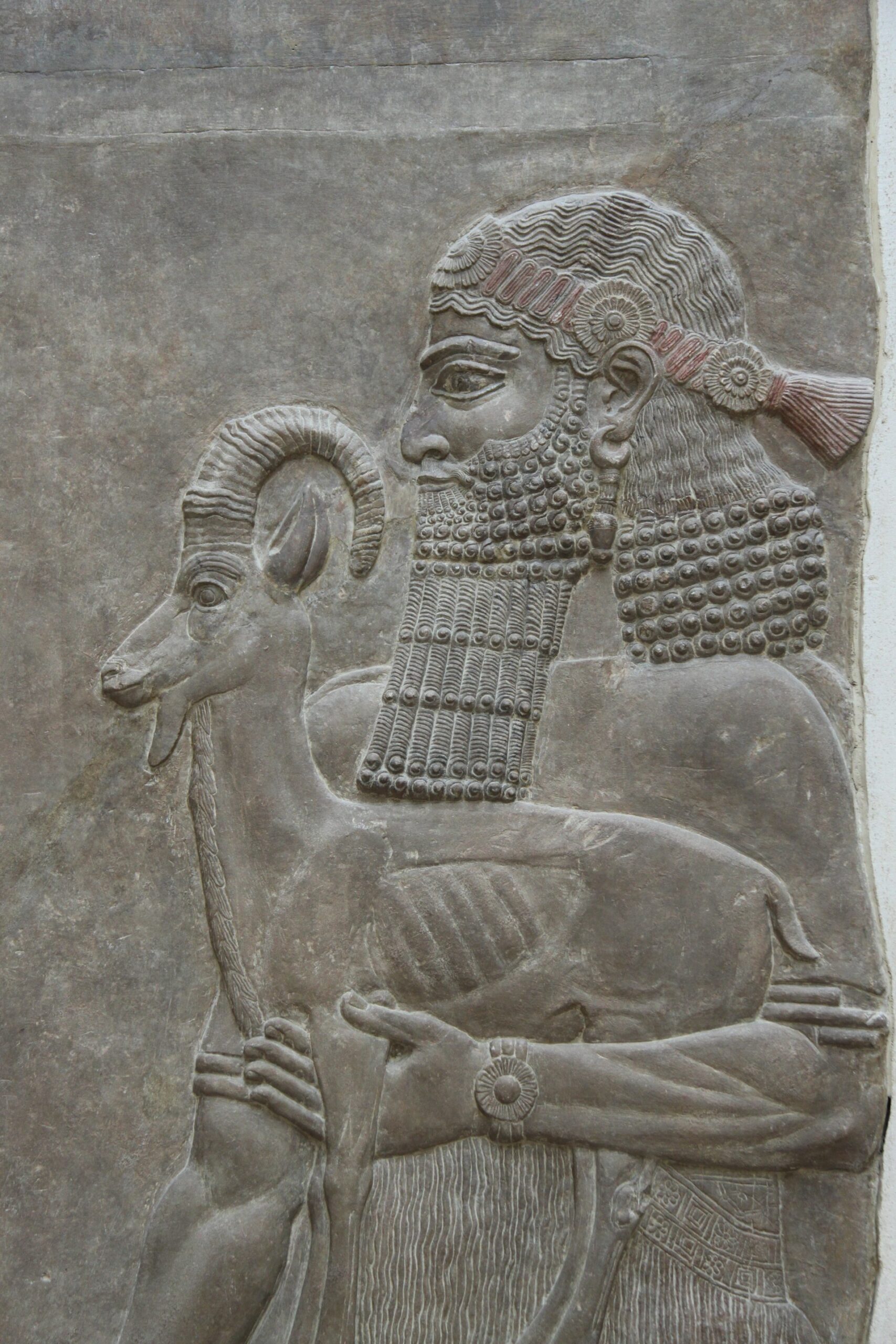

Photo by Andries Meijer on Unsplash
Introduction
The ancient Persian Empire stands as one of history’s most influential civilizations, renowned for its vast territorial reach and enduring innovations. From engineering marvels and social reforms to advances in science and culture, the Persians introduced concepts and technologies that still impact modern life. This article examines the core contributions of the Persian Empire, offering actionable steps for further study and practical guidance for those seeking to understand or build upon this remarkable legacy.
Engineering Marvels: Qanats and Irrigation
One of the most significant Persian achievements was the development of the qanat -an ingenious underground aqueduct system designed to transport water across arid regions. The qanat enabled the irrigation of vast agricultural lands, transforming previously inhospitable areas into fertile fields. The oldest known qanat is in Gonabad, Iran, and is still functional after more than 2,700 years [1] . This technology not only improved agricultural productivity but also supported the growth of cities and trade networks.
For those interested in studying or visiting historic qanats, you can contact the Iranian Cultural Heritage, Handicrafts and Tourism Organization. When planning research, use search terms such as “Iran qanat UNESCO site” and consult recognized academic resources for detailed case studies.

Photo by Stefano Vigorelli on Unsplash
Refrigeration and Architecture: The Yakhchal
The ancient Persians pioneered one of the earliest forms of refrigeration through the construction of yakhchals -large, domed ice houses made from special clay. These structures stored ice and preserved food throughout the year, even in the desert climate [3] . This innovation showcases Persian architectural knowledge and their practical response to environmental challenges. Today, yakhchals are studied by architects and engineers interested in sustainable design and ancient cooling methods.
To explore yakhchals, consider contacting universities with strong Middle Eastern studies or environmental architecture programs. Use search phrases like “yakhchal ancient Persian ice house” to access scholarly articles and preservation projects.
Human Rights and Governance: The Cyrus Cylinder
The Persian Empire, especially under Cyrus the Great , established new standards for governance and civil rights. The Cyrus Cylinder , created in the 6th century BCE, is often regarded as the world’s first declaration of human rights. This clay artifact proclaims religious and cultural tolerance, allowing citizens to practice their own customs as long as they lived peacefully and paid taxes [3] . These policies promoted harmony, reduced rebellion, and inspired later legal codes around the globe.
To view the Cyrus Cylinder, you can visit the British Museum in London, where it is housed. For educational resources, search for “Cyrus Cylinder British Museum” and review official museum documentation for high-quality images and translations.
Postal Systems and Communication
The Persian Achaemenid Empire developed a sophisticated
postal system
based on a relay of horsemen, known as
pirradazis
. This network enabled messages to travel quickly across the empire, sometimes covering hundreds of miles in a matter of days
[4]
. The Persian postal system laid the groundwork for modern mail delivery and government communication networks.
If you are interested in historical communication systems, libraries and postal museums often feature exhibits on ancient Persian innovations. You can also search for “Achaemenid postal system” in academic databases for research papers and reconstructions of these networks.
Medical and Scientific Advances
The ancient Persians made substantial contributions to medicine , mathematics , and chemistry . Persian polymaths such as Avicenna (Ibn Sina) wrote influential medical texts that shaped both Eastern and Western practices for centuries [3] . In chemistry, Persian scholars advanced techniques such as distillation-a process documented by Abu Musa Jabir ibn Hayyanzi in the 8th century CE, who is often referred to as the father of chemistry [4] .
To access these resources, consider searching for “Avicenna Canon of Medicine” or “Jabir ibn Hayyan distillation” in university libraries or visiting online archives of the Wellcome Collection and other reputable medical history institutions.
Cultural and Artistic Legacy
The Persian Empire was a center for art, literature, and architecture . The tradition of the Persian rug, the development of landscaped gardens (the word “paradise” derives from the Persian “pairidaeza”), and the composition of epic poetry by figures like Ferdowsi are enduring hallmarks of Persian culture [1] . Persian architecture, characterized by grand palaces and intricate tile work, has influenced design worldwide.
For those wishing to experience Persian art and literature, major museums and cultural centers often curate collections of Persian artifacts and manuscripts. To locate such institutions, use search terms like “Persian art museum collection” or “Ferdowsi Shahnameh translation.”
Military Innovations
The Persians introduced significant military innovations , including the development of heavy cavalry units. These units combined scale armor with skilled horsemanship, playing a crucial role in Persian military campaigns and influencing later cavalry tactics across Eurasia [4] .
To study these advancements, academic programs in military history and archaeology can provide primary sources and reconstructed models. Museums with ancient military collections may have exhibits on Persian arms and armor.
Steps for Further Exploration
If you are interested in learning more about any of these Persian contributions, consider the following steps:
- Identify reputable institutions such as the British Museum, Smithsonian Institution, or major universities with Middle Eastern studies programs.
- Search their official websites or online catalogs using keywords like “Persian Empire contributions,” “Achaemenid innovations,” or “Iranian cultural heritage.”
- For in-depth research, access academic databases such as JSTOR or contact professors specializing in ancient Persian history.
- To visit historic sites, consult the Iranian Cultural Heritage, Handicrafts and Tourism Organization and follow travel advisories for safety information.
When seeking translated texts, use official library systems or university presses to ensure authenticity. For artifacts, always rely on established museum listings to confirm the existence and location of items.
Potential Challenges and Solutions
Obtaining primary resources on ancient Persia may be challenging due to geographical, political, or language barriers. To overcome this, rely on translated works from academic publishers, participate in online courses offered by recognized universities, and connect with professional organizations such as the American Institute of Iranian Studies. When planning travel or fieldwork, always use government resources and consult with embassy or consular services for the latest guidelines.
Key Takeaways
The ancient Persian Empire’s contributions continue to resonate in modern society-from the principles of human rights and governance to enduring technological and artistic achievements. By leveraging the strategies and guidance outlined above, you can deepen your understanding and potentially contribute to ongoing research in this rich field of study.