The Pervasive Influence of Religion in Medieval Europe: Society, Power, and Daily Life
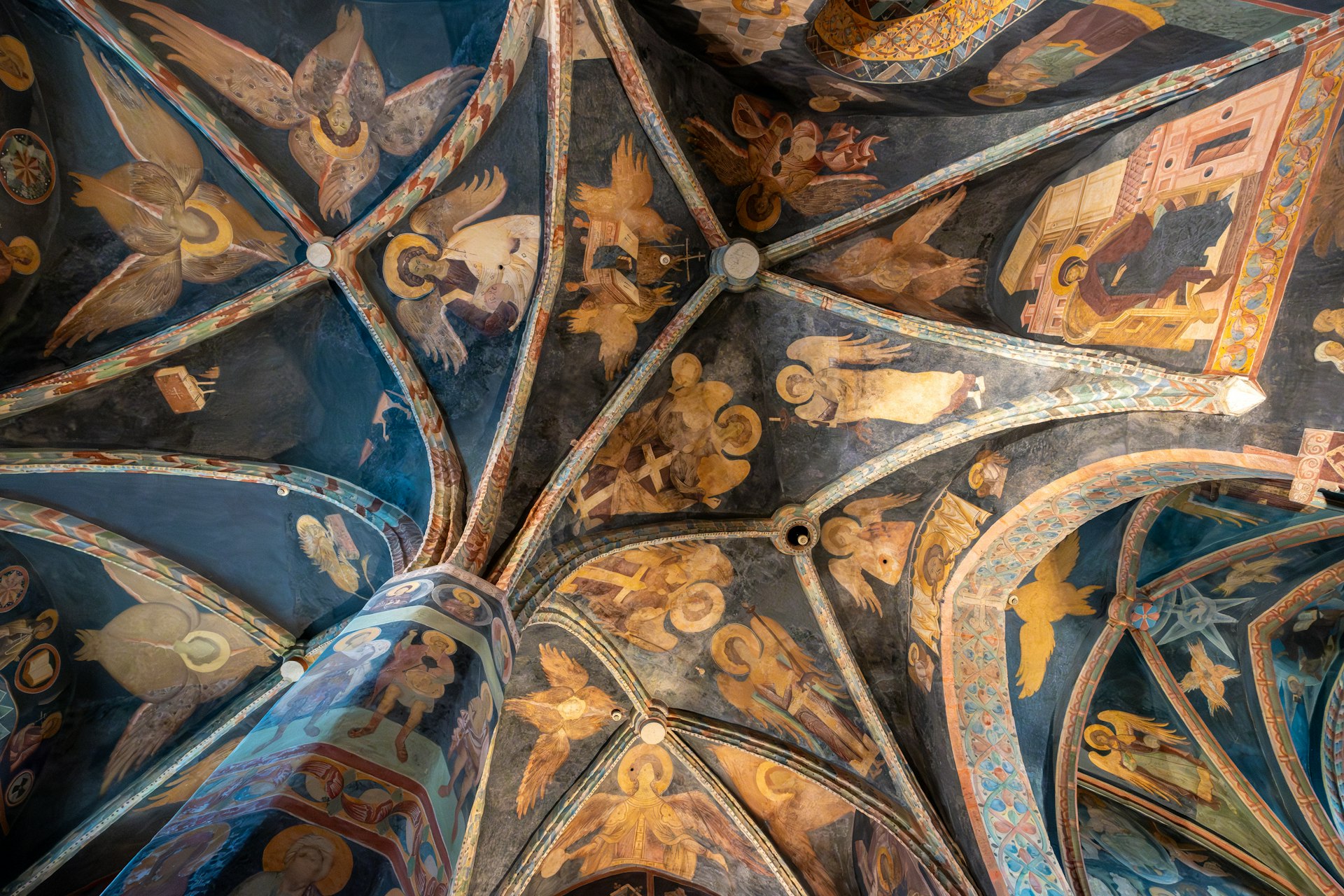

Photo by Tomasz Zielonka on Unsplash
Religion in medieval Europe was not merely a system of beliefs but the very foundation of society, touching every aspect of life from birth to death. The Catholic Church, as the dominant institution, wielded immense influence over politics, economics, culture, and the daily routines of both the nobility and the peasantry. This article explores the multifaceted role of religion in medieval Europe, detailing its power structures, social functions, challenges, and lasting legacy.
The Dominance of Christianity
Christianity, and specifically Catholicism, was the only officially recognized religion in medieval Europe after the fall of the Roman Empire [1] . The Church’s rise to prominence was gradual but decisive, with the papacy under figures like Gregory the Great establishing a robust ecclesiastical hierarchy that paralleled and often surpassed secular governance [1] . By the High Middle Ages, the Church was not only a spiritual authority but also a major political and economic force, with the pope, archbishops, bishops, and priests forming a tightly knit hierarchy that reached into every parish [2] .
The Church’s dominance was reinforced by its control over education and literacy. Latin, the language of the Church, was the lingua franca of educated Europe, and clergy were often the only literate members of society, serving as scribes, advisors, and record-keepers for monarchs and lords [2] . This monopoly on knowledge further cemented the Church’s authority.
Political and Economic Power
The medieval Church was Europe’s largest landholder by the 11th century, owning vast estates gifted by monarchs and nobles or acquired through less savory means [2] . It collected tithes-a mandatory contribution of one-tenth of a person’s income, produce, or labor-which funded its operations and maintained its wealth [2] . Monasteries and abbeys became centers of agricultural production, healthcare, and education, often serving as the only institutions providing these services to rural communities [5] .
Politically, the Church promoted the divine right of kings, teaching that rulers were appointed by God and thus owed their allegiance to both secular and spiritual authorities [2] . This doctrine helped maintain social order but also led to frequent power struggles between popes and monarchs, as seen in the Investiture Controversy. The Church’s ability to excommunicate rulers-effectively cutting them off from the sacraments and their subjects’ loyalty-was a powerful tool in these conflicts.
Social and Cultural Influence
The Church’s influence permeated daily life. It regulated the calendar, dictating feast days, fasts, and holidays that structured the year [3] . Religious rituals marked key life events: baptism, marriage, and last rites were essential rites of passage, and the fear of hell or hope of heaven shaped moral behavior [5] .
Yet, beneath the surface of orthodox Christianity, older pagan beliefs and practices persisted, especially in rural areas [4] . People might identify as Christian but still engage in fortune-telling, use charms, or observe rituals condemned by the Church. The medieval Church sought to suppress these practices, but they remained a part of folk culture, blending with Christian traditions to create a unique religious landscape [4] .
Monastic Life and Religious Orders
Monasticism was a defining feature of medieval religion. Monasteries and convents were centers of prayer, learning, and charity. Monks and nuns took vows of poverty, chastity, and obedience, devoting their lives to God and the service of others [5] . The Benedictines, Cistercians, and later orders like the Franciscans and Dominicans each offered different visions of communal religious life, appealing to aristocrats, knights, and even peasants seeking spiritual fulfillment or refuge from a harsh world [3] .
Monasteries also played a crucial role in preserving knowledge. They copied and illuminated manuscripts, maintained libraries, and provided education. Their scriptoria were the forerunners of medieval universities, and their hospitals and infirmaries offered care to the sick and dying [5] .

Photo by Hilde Buyse on Unsplash
Diversity and Dissent
While Christianity was dominant, medieval Europe was not religiously homogenous. Jewish communities, though often marginalized, contributed to commerce, scholarship, and culture, especially in urban centers [5] . In southern Europe, Islamic rule in Spain and Portugal introduced advanced science, art, and philosophy to the continent [5] .
Within Christianity itself, dissent was not uncommon. Heretical movements, such as the Cathars and Waldensians, challenged Church doctrine and hierarchy, often attracting followers with messages of simplicity and direct access to God [4] . The Church responded with inquisitions and crusades, seeking to stamp out heresy and consolidate its authority.
Challenges and Decline
The Church’s dominance faced significant challenges in the later Middle Ages. The Black Death (1347-1352) undermined faith in religious institutions as prayers and processions failed to halt the pandemic’s devastation [4] . Corruption, simony, and the sale of indulgences eroded the Church’s moral authority, setting the stage for the Protestant Reformation in the 16th century [4] .
Legacy and Further Exploration
The role of religion in medieval Europe was foundational, shaping laws, arts, education, and social norms. The Church’s legacy is visible in Europe’s cathedrals, universities, legal systems, and cultural traditions. For those interested in deeper study, visiting historical sites, reading primary sources, and exploring academic databases can provide richer insights into this complex period.
To explore medieval religious history further, consider visiting the official websites of major museums, universities, and heritage organizations. Search for “medieval religion,” “Catholic Church history,” or “monastic life in the Middle Ages” in library catalogs or academic journals. Many institutions offer online exhibitions, digitized manuscripts, and educational resources that bring this era to life.
References
[1] MFG LibGuides – Medieval World: Religion . Overview of Christianity’s dominance and the Church’s political role in medieval Europe.
[2] IJNRD – Role of Religion in Shaping Mediaeval Society . Detailed analysis of the Church’s economic, political, and social power structures.
[3] English Heritage – Medieval Religion . Exploration of the Church’s influence on daily life and the impact of the Norman Conquest on English religious institutions.
[4] World History Encyclopedia – Religion in the Middle Ages . Examination of the blend of Christian and pagan practices, heresy, and the Church’s response to challenges like the Black Death.
[5] Medieval Times – Religion . Overview of Christianity, Islam, Judaism, and paganism in medieval Europe, with a focus on monastic life and minority religions.