The Nuclear Arms Race: Decoding the Cold War's Most Dangerous Rivalry
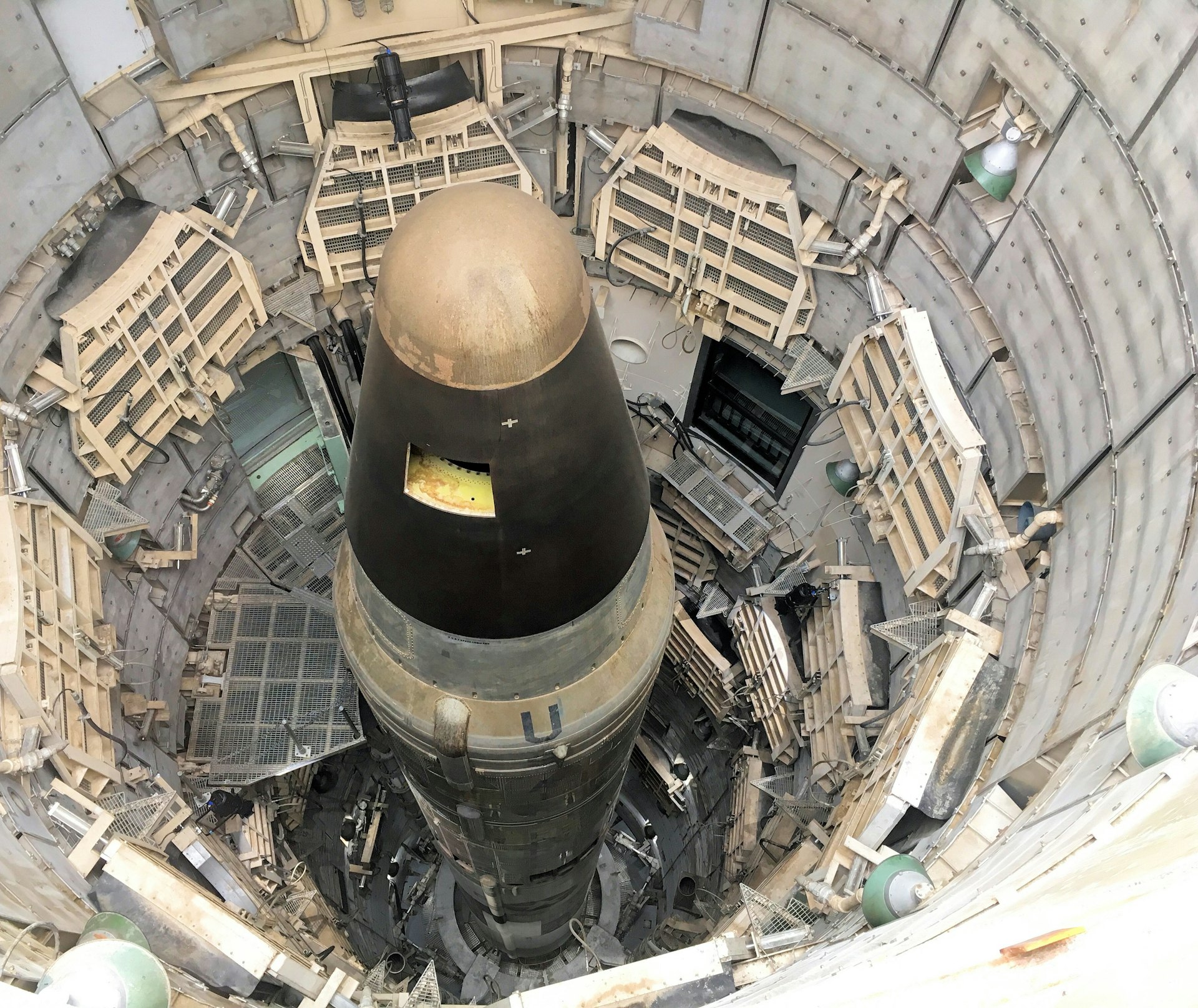

Photo by Stephen Cobb on Unsplash
Introduction
The Cold War nuclear arms race stands as one of the most consequential periods in modern history, marked by technological innovation, strategic rivalry, and the constant threat of global annihilation. Understanding its history reveals not only why the United States and Soviet Union invested so heavily in nuclear arsenals, but also how ongoing concerns about proliferation and arms control continue to affect international relations today.
Origins: The Birth of Nuclear Weapons
The nuclear arms race began with scientific breakthroughs in nuclear fission during the late 1930s and early 1940s. The United States initiated the Manhattan Project, culminating in the first atomic bomb test at Los Alamos, New Mexico, on July 16, 1945. Days later, atomic bombs were dropped on Hiroshima and Nagasaki, resulting in the deaths of over one hundred thousand people and forcing Japan’s surrender at the end of World War II. This demonstrated the devastating power of nuclear weapons and set the stage for a new era of military strategy and political tension [1] [3] .
Escalation: U.S. and Soviet Competition
Upon learning of the American nuclear monopoly, the Soviet Union accelerated its own program and tested its first nuclear device in Kazakhstan in 1949. The race quickly expanded as both nations developed thermonuclear weapons-hydrogen bombs with vastly greater explosive yields. The United States detonated “Ivy Mike” in 1952, followed by the Soviet Union’s own device in 1953. This period saw rapid advances in bomb design and delivery systems, including intercontinental ballistic missiles (ICBMs) and submarine-launched ballistic missiles, which further heightened tensions [2] .
The arms buildup led to enormous investments in research, manufacturing, and deployment. Both sides sought to ensure that they could inflict unacceptable damage on the other in the event of war. This doctrine, known as mutually assured destruction (MAD), became the foundation of Cold War strategy. Real-world examples of this escalation include the U.S. Castle Bravo hydrogen bomb test in 1954, which yielded 14.8 megatons-far more than expected and resulting in significant radiation exposure for populations hundreds of miles away. Similarly, the Soviet Tsar Bomba test in 1961 produced a 57-megaton explosion, cementing the USSR’s technical prowess [2] [3] .
Diplomatic Efforts and Arms Control
As risks mounted, both sides began to pursue arms control agreements. The Cuban Missile Crisis in 1962 brought the world to the brink of nuclear war, highlighting the need for dialogue and restraint. Treaties such as the Partial Test Ban Treaty (1963), the Nuclear Non-Proliferation Treaty (NPT, 1968), and the Strategic Arms Limitation Talks (SALT I and II) aimed to cap the growth of arsenals and prevent the spread of nuclear technology [1] .

Photo by Thorium on Unsplash
Later agreements, including the Intermediate-Range Nuclear Forces (INF) Treaty and the Strategic Arms Reduction Treaty (START), represented significant steps toward reducing warhead counts and delivery vehicles. However, periodic setbacks and modern tensions have challenged the durability of these frameworks. Individuals interested in the details of these treaties can visit the Council on Foreign Relations’ timeline for verified information on U.S.-Russia nuclear arms control [1] .
Practical Guidance: Accessing Resources and Further Information
Those wishing to explore official records, technical data, and educational materials about the Cold War nuclear arms race have several options:
- For historical timelines and primary sources, consult the Atomic Heritage Foundation’s online resources by searching for “Atomic Heritage Foundation timeline” or visiting their official website [3] .
- To understand current nuclear policy and arms control agreements, review recent publications and treaty details provided by the Council on Foreign Relations [1] .
- For comprehensive background and technical explanations, Wikipedia’s entry on the nuclear arms race offers a summary with references to scientific and historical research [2] .
- Academic institutions, government agencies, and major museums may provide additional archival documents and expert analysis. When seeking official government records, use the search terms “U.S. Department of State nuclear arms control” or “Russian archives nuclear weapons” to locate authoritative sources.
If you are a student, educator, or researcher, consider contacting your local library or university for access to specialized databases and declassified documents. Many organizations provide research guides and bibliographies to help you navigate the complex landscape of Cold War nuclear history.
Challenges and Ongoing Concerns
Despite decades of negotiation and numerous treaties, the threat of nuclear proliferation and renewed arms races remains. Modern geopolitical shifts and technological advances have complicated efforts to sustain arms control. For example, the dissolution of the INF Treaty and challenges to the NPT highlight vulnerabilities in the international system. Policymakers and advocates continue to debate solutions, including modernization of existing treaties, improved verification methods, and broader international cooperation.
For those interested in contributing to policy discussions or advocacy, organizations such as the Federation of American Scientists and the International Campaign to Abolish Nuclear Weapons offer up-to-date analysis and opportunities for engagement. To learn more, search for these organizations using their official names and explore their latest reports and recommendations.
Alternative Approaches and Educational Opportunities
In addition to direct study of treaties and history, alternative educational approaches include:
- Participating in online courses offered by major universities on nuclear strategy and Cold War history.
- Attending museum exhibits, such as those at the National Museum of Nuclear Science & History, for immersive experiences and expert lectures.
- Engaging with documentary films and podcasts that explore the human and political impact of the nuclear arms race.
- Joining academic conferences or professional societies focused on international security and arms control.
These pathways provide diverse perspectives and foster informed debate about past and future nuclear challenges.
Key Takeaways
The Cold War nuclear arms race was driven by technological innovation, strategic rivalry, and global fear. Its legacy shapes contemporary policy, scientific research, and international relations. By leveraging verified resources and engaging with educational opportunities, individuals can gain a deeper understanding of this critical era and its ongoing significance.