The Intellectual History of Modern Democracy: Ideas That Shaped Our World
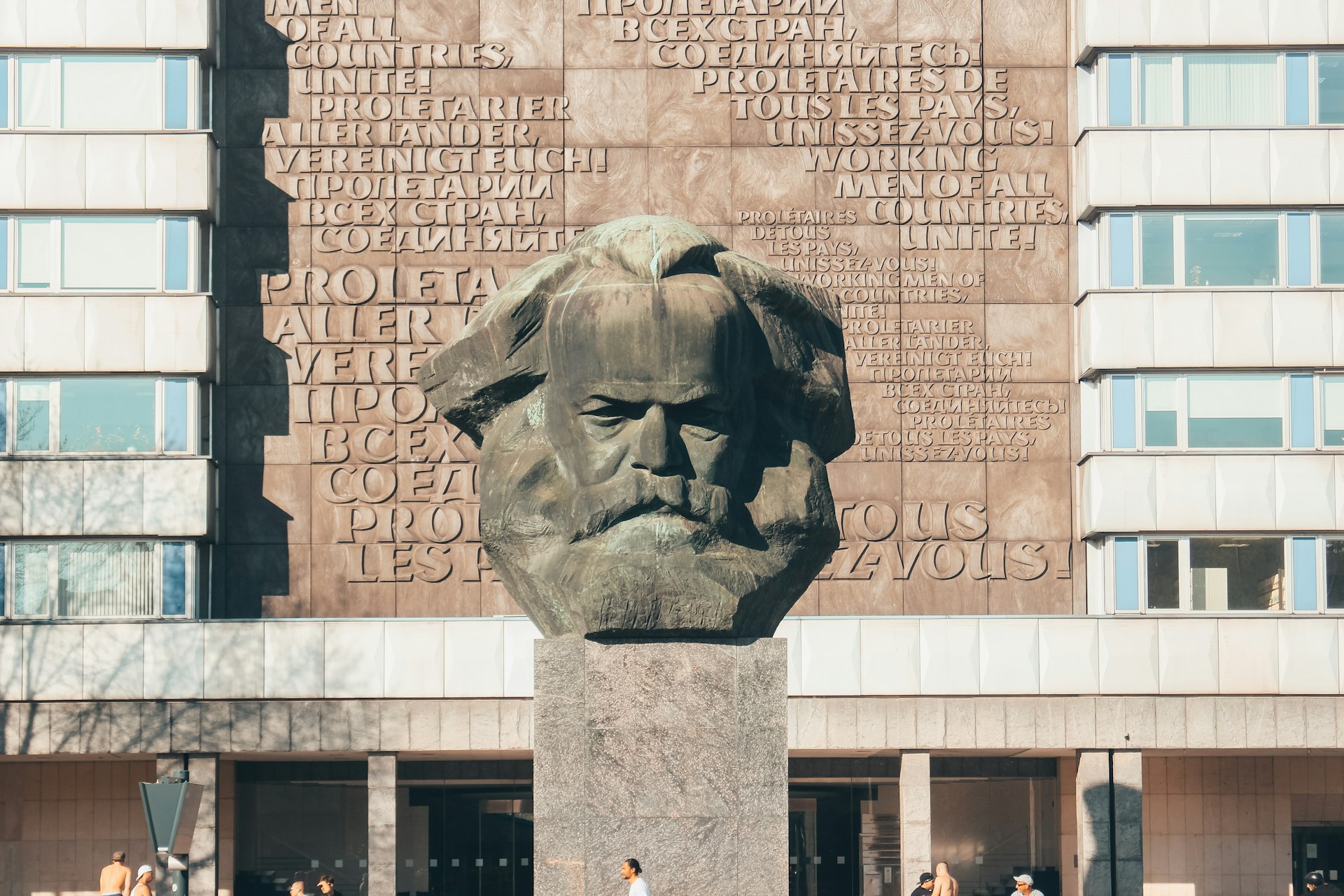

Photo by Maximilian Scheffler on Unsplash
Introduction to the Intellectual History of Modern Democracy
Modern democracy emerged not as a sudden invention but through centuries of intellectual ferment, where ideas clashed, evolved, and reshaped governance. Intellectual historians trace its roots to ancient thinkers like Cicero and Polybius, but its contemporary form crystallized during the Enlightenment and revolutionary eras, influencing public policy, revolutions, and global movements. [1] This history reveals democracy as both an ethical ideal and a site of perpetual struggle, challenging assumptions of inevitable progress. Key figures and debates-from Spinoza’s radical republicanism to 20th-century welfare state ideologies-demonstrate how abstract thought infiltrated political reality, driving changes in authoritarianism versus democracy, empire, and equality. [2]
The narrative spans Europe, America, and decolonizing worlds, showing democracy’s conceptual mutations. For instance, John Dunn’s reflections highlight its parochial Western biases by comparing it to Indian and Chinese trajectories, urging a broader historical sensibility. [3] This article delves into these threads, offering a comprehensive overview grounded in scholarly analysis.
Enlightenment Foundations: Spinoza and Radical Republicanism
The intellectual groundwork for modern democracy owes much to the 17th-18th century Enlightenment, particularly Baruch Spinoza’s influence. Spinoza’s rationalism, rejection of mind-body dualism, and advocacy for democratic republicanism laid a philosophical basis for equality and human rights. [3] Intellectual historian Jonathan Israel argues this ‘radical Enlightenment’ propelled the French Revolution of 1789, with figures like Condorcet, Sieyès, and Mirabeau disseminating ideas that demolished religious authority while advancing democratic principles. Israel’s multi-volume works trace how these doctrines circulated via print, gaining traction despite limited popular support initially.
This era marked democracy’s shift from elite discourse to revolutionary ideology. Challenges arose in diffusion: radical ideas lacked broad endorsement, raising questions about their ‘democratic’ nature. Yet, their impact was profound, influencing the American and French Revolutions, where self-rule became a contested ideal rather than mere institution.
[1]
To study this, researchers can examine primary texts like Spinoza’s
Tractatus Theologico-Politicus
, analyzing how deductive reasoning challenged absolutism. Real-world application appears in modern constitutional debates, where Enlightenment legacies underpin rights discourses.
Alternatives include non-radical strands, like moderate liberalism, which tempered radicalism with pragmatism. Potential pitfalls, such as elitism in idea dissemination, were mitigated through pamphleteering and salons, fostering wider engagement.
Revolutions and the Birth of Modern Democratic Ideals
The American and French Revolutions epitomized democracy’s transition to a modern sense, as James Kloppenberg’s
Toward Democracy
illustrates. Spanning ancient to contemporary thought, it portrays self-rule as a transatlantic struggle, with Palmer’s
Age of Democratic Revolution
identifying these events as pivotal.
[1]
Democracy emerged as an ‘ethical ideal’ amid contestation, not streamlined progress. Intellectuals debated institutions versus values, with figures like Paine and Jefferson embodying transatlantic exchanges.

Photo by Europeana on Unsplash
Practical steps for understanding include tracing rhetorical shifts in revolutionary pamphlets, comparing Federalist Papers with French declarations. Examples abound: the U.S. Constitution’s checks balanced pure democracy with republicanism, addressing fears of mob rule echoed from Polybius. In France, Jacobin radicalism tested ideals against terror, highlighting struggles between ideal and practice.
Challenges like inequality persisted-women and enslaved people were excluded initially-solved partly through later suffrage movements. Global echoes appear in Latin American independences, adapting European ideas locally. This phase underscores democracy’s contested nature, requiring ongoing intellectual labor.
20th-Century Developments: Welfare, Neoliberalism, and Rights
The 20th century saw intellectual history intersect profoundly with public policy. John Maynard Keynes famously asserted that ‘madmen in authority’ distill ideas from ‘academic scribblers,’ exemplified by his influence on welfare states. [2] Historians have enriched welfare historiography, showing ideological struggles behind social reforms, economic planning, and market turns. Samuel Moyn’s work pinpoints the 1970s as human rights’ rise, challenging assumptions of ancient origins. [2]
Neoliberalism’s ascent, documented in studies paralleling earlier progressive reforms, involved multi-faceted Anglo-American thought coalescing in the 1970s-80s. Katrina Forrester unpacked recent liberalism’s policy ties, while Adom Getachew’s
Worldmaking after Empire
globalizes the narrative, focusing on anticolonial thinkers reshaping sovereignty egalitarianly.
[2]
Martin Conway’s post-war European democracy history complements this, alongside David Priestland’s communist-market analyses.
To engage, scholars analyze archives like policy papers, revealing grassroots ideologies via feminist bookshops. [2] Challenges include skepticism from political economists, addressed by integrating elite and popular sources. Alternatives: transnational lenses, as in Faisal Devji’s Islamic thought.
Global and Contemporary Perspectives
Modern democracy’s history demands global views. John Locke’s liberalism, controversial due to slavery-empire ties, underpins American foundations yet invites critique. [4] Europe’s conceptual evolution, from 19th-century industrial shifts, surveys democracy’s mutations. [5] Mikkel Thorup views it as an unending conversation, emphasizing inclusive dialogue. [6]
Dunn critiques Western parochialism via India-China comparisons, resisting positivistic science or ahistorical theory. [3] Contemporary applications: rethinking amid populism, using historical modes for normative sensitivity. Steps: compare trajectories, consult primary sources. Challenges like ideological abstraction met by cultural histories. John Israel’s publication-focused approach shows idea circulation’s power, despite diffusion critiques.
Challenges and Future Directions in Intellectual History
Intellectual history faces skepticism prioritizing socio-economics, yet enriches policy analyses. [2] Future paths: grassroots ideologies, global accounts. The Modernist Imagination frames it as interpreting thinkers’ creative work. [7] Democracy endures as struggle, per Kloppenberg, demanding vigilance.
To explore further, access university libraries for texts like Israel’s Enlightenment trilogy or Moyn’s rights history. Engage podcasts on Locke for nuanced views. This history equips us to navigate democracy’s complexities today.
References
[2] Oxford Intellectual History: Do Ideas Matter? (Recent). Explores ideas in 20th-century policy.
[3] Modern Intellectual History: Rethinking Democracy (Recent). Review of Dunn and Israel.
[4] Apple Podcasts: Slavery, Empire, and John Locke (2024). Discussion on Locke’s legacy.
[5] Berghahn Books: Democracy in Modern Europe (Recent). Conceptual history overview.
[6] Aarhus University: Democracy as Conversation (Recent). Thorup’s perspective.
[7] JSTOR: The Modernist Imagination (Recent). Defines intellectual history.