
The Drafting of the American Constitution: A Comprehensive History
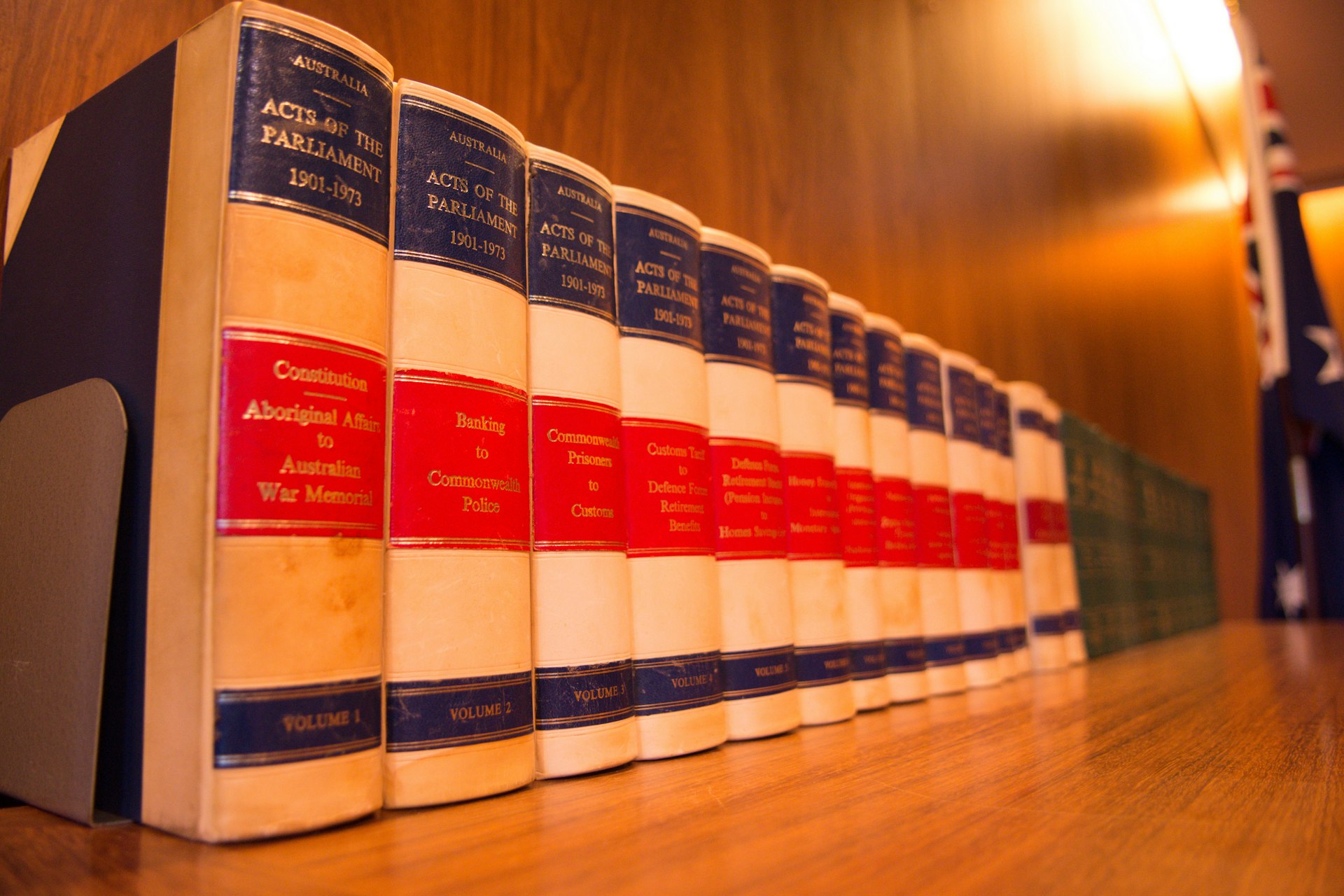

Photo by Brenton Pearce on Unsplash
Introduction
The drafting of the United States Constitution is one of the most consequential events in American history, marking the transition from the fragile Articles of Confederation to a robust federal system. This article provides a detailed account of the origins, process, and outcomes of the Constitutional Convention, the ratification debates, and the enduring legacy of America’s founding document.
The Road to the Constitutional Convention
By the mid-1780s, the weaknesses of the Articles of Confederation had become increasingly apparent. The central government lacked the power to tax, regulate commerce, or enforce its laws, leading to economic instability and interstate conflicts. The March 1785 Mount Vernon Conference, attended by delegates from Maryland and Virginia, addressed issues of commerce and navigation, signaling the need for broader interstate cooperation [1] .
These early discussions laid the groundwork for the Annapolis Convention of 1786, which called for a broader convention to revise the Articles. The Confederation Congress issued a formal call for a convention to meet in Philadelphia in May 1787, with the stated purpose of amending the Articles of Confederation [1] .
The Constitutional Convention: Key Events and Debates
The Constitutional Convention convened on May 25, 1787, at the Pennsylvania State House (now Independence Hall) in Philadelphia. Every state except Rhode Island sent delegates, including prominent figures such as George Washington, James Madison, Alexander Hamilton, and Benjamin Franklin [1] . Washington was unanimously elected president of the convention [2] .
The convention quickly moved beyond its original mandate, abandoning the Articles of Confederation in favor of drafting an entirely new framework of government. Two major plans emerged:
- Virginia Plan: Proposed by Edmund Randolph and drafted by James Madison, this plan called for a strong central government with three branches: executive, judicial, and a bicameral legislature. Representation in both houses would be based on state population, favoring larger states [2] .
- New Jersey Plan: Proposed by William Paterson, this plan sought to retain the structure of the Articles of Confederation but grant Congress additional powers. It called for equal representation for each state, regardless of size [2] .
The debate over representation became a major sticking point. The Connecticut Compromise, proposed by Roger Sherman, resolved the dispute by establishing a bicameral legislature: the House of Representatives, with proportional representation, and the Senate, with equal representation for each state [2] .
Other contentious issues included the regulation of commerce, the powers of the executive, the method of electing the president, and the status of slavery. The Three-Fifths Compromise counted enslaved individuals as three-fifths of a person for purposes of taxation and representation.
In early September 1787, a Committee of Style and Arrangement, including Alexander Hamilton, William Johnson, Rufus King, James Madison, and Gouverneur Morris, was tasked with producing a final draft. Morris was the primary author of the document’s language [1] . On September 15, the convention unanimously approved the draft, and on September 17, the final Constitution was signed by 39 delegates from 12 states. George Washington signed first, and the remaining delegates signed by state [1] .
Ratification: The People Debate the Constitution
The ratification process began immediately after the convention adjourned. Article VII of the Constitution specified that it would take effect upon ratification by nine states, rather than requiring unanimous consent as under the Articles of Confederation [1] .

Photo by Ksenia Makagonova on Unsplash
The ratification debates were intense and widespread, engaging citizens, newspapers, and state conventions. Proponents (Federalists) and opponents (Anti-Federalists) argued over the balance of power between the states and the federal government, the lack of a bill of rights, and the potential for tyranny. The Federalist Papers, written by Alexander Hamilton, James Madison, and John Jay, were published to persuade New Yorkers to ratify the Constitution [3] .
Delaware became the first state to ratify, on December 7, 1787, followed quickly by Pennsylvania and New Jersey [3] . Massachusetts’ ratification in February 1788 was contingent on the addition of a bill of rights. The Constitution officially became effective when New Hampshire became the ninth state to ratify on June 21, 1788 [2] . Virginia and New York, two of the largest and most influential states, ratified shortly thereafter, ensuring the new government’s legitimacy. Rhode Island, initially opposed, was the last of the original thirteen states to ratify, on May 29, 1790 [1] .
The Bill of Rights and the New Government
One of the central demands of the Anti-Federalists was the inclusion of a bill of rights to protect individual liberties. In 1789, the First Congress proposed twelve amendments, ten of which were ratified by the states and became the Bill of Rights in 1791 [3] . These amendments addressed concerns about freedom of speech, religion, press, assembly, and the right to bear arms, among others.
The new federal government began operating in 1789, with George Washington as the first president. The Constitution established a system of checks and balances, federalism, and the rule of law that has endured for over two centuries.
Legacy and Continuing Relevance
The drafting and ratification of the Constitution marked a turning point in American governance, creating a durable framework that has adapted to changing circumstances through amendments and judicial interpretation. The debates over federalism, individual rights, and the separation of powers continue to shape American political life.
For those seeking to understand the Constitution’s origins, numerous resources are available. The Library of Congress and the National Archives provide access to original documents, historical essays, and educational materials. Many universities and historical societies offer online exhibits and primary source collections that delve into the convention debates, ratification process, and the lives of the framers.
How to Learn More
If you wish to explore the history of the Constitution further, consider the following steps:
- Visit the official websites of the Library of Congress and the National Archives for access to primary documents and historical timelines.
- Read scholarly books and articles on the Constitutional Convention and ratification debates.
- Attend lectures or virtual exhibits hosted by museums and educational institutions.
- Join civic education programs that focus on the Constitution’s history and contemporary relevance.
For direct access to primary sources, search for “U.S. Constitution drafting history” on the Library of Congress website or consult the National Archives’ online catalog. Many public libraries also provide access to digital collections and research databases.
References
[1] Wikipedia. Timeline of drafting and ratification of the United States Constitution. Comprehensive timeline of key events from the Mount Vernon Conference through ratification.
[2] Library of Congress. 1787 to 1788 | Timeline | Articles and Essays | Documents from the Continental Congress and the Constitutional Convention, 1774-1789. Detailed account of the Constitutional Convention and ratification process.
[3] Washington State University Libraries. Constitution Day 2024: Virtual Exhibit: Ratification of the Constitution. Overview of the ratification timeline and incorporation of the Bill of Rights.