Safeguarding Indigenous Legacy: Strategies for History and Cultural Preservation
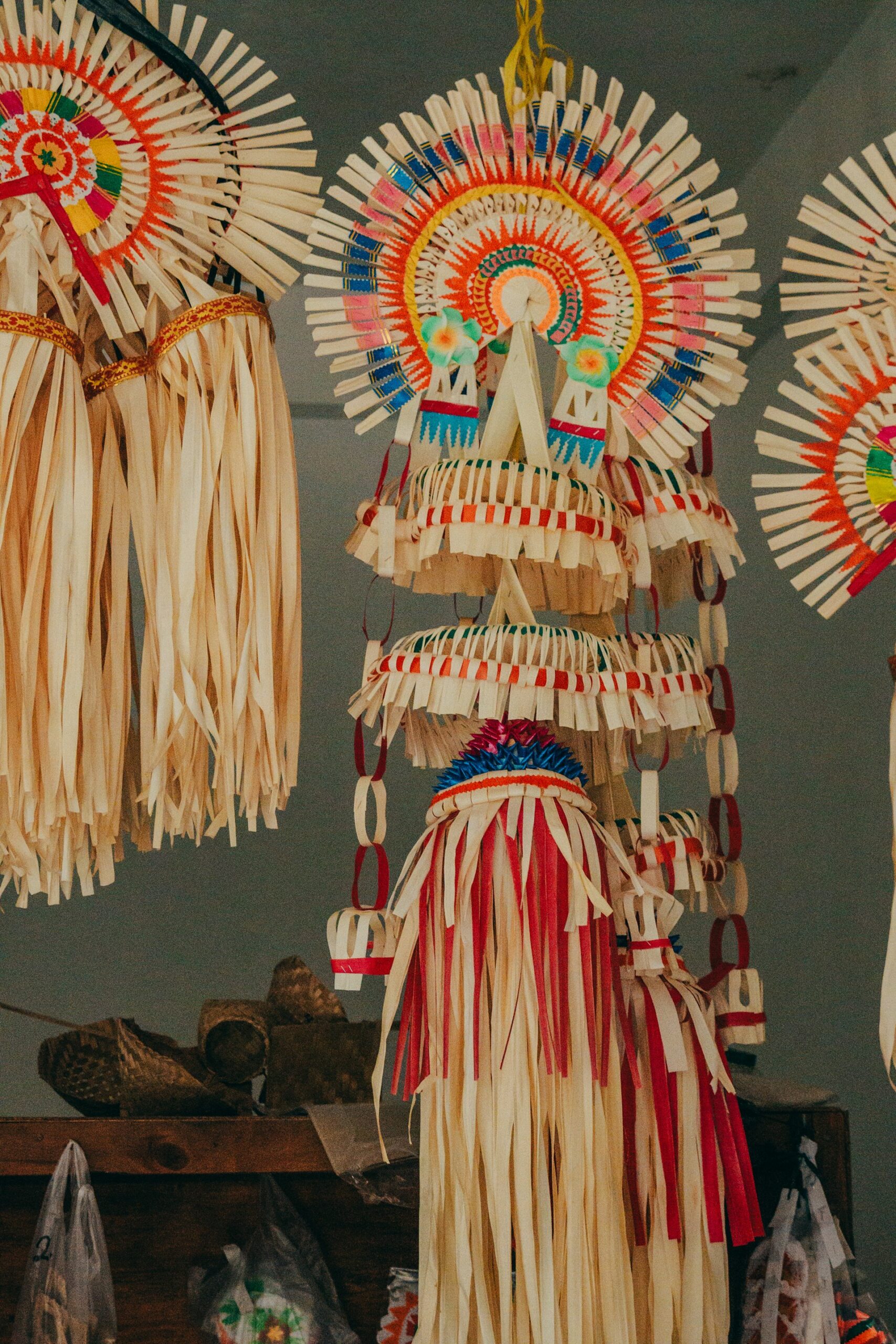

Photo by Emilia Igartua on Unsplash
Introduction: The Vital Importance of Indigenous History and Cultural Preservation
Preserving Indigenous history and culture is essential for maintaining the identity, knowledge systems, and spiritual well-being of Indigenous peoples around the world. These cultures offer invaluable insights into sustainable living, community values, and harmonious relationships with nature. Yet, Indigenous heritage faces significant threats, including language loss, environmental degradation, and cultural assimilation. This article presents a comprehensive guide to understanding, accessing, and supporting efforts in Indigenous history and cultural preservation, referencing verified research and case studies.
Understanding Indigenous Heritage: Core Components and Challenges
Indigenous cultural heritage encompasses a rich tapestry of traditions, languages, spiritual beliefs, ecological practices, and artistic expressions. Each aspect is deeply rooted in the land and community, reflecting generations of accumulated wisdom. However, colonization, globalization, and resource exploitation have placed many of these traditions at risk. For instance, the Navajo community faces disruptions to sacred sites owing to severe weather and development pressures, underscoring the vulnerability of Indigenous heritage to external threats [1] . Preserving this legacy requires intentional, multifaceted strategies that address both internal community needs and external challenges.

Photo by Bob Brewer on Unsplash
Language Revitalization: The Cornerstone of Cultural Continuity
Language is a carrier of cultural nuance, oral history, and traditional knowledge. Many Indigenous languages are endangered, and their loss equates to the disappearance of unique worldviews and practices. Initiatives for language preservation include community-led documentation projects, integrating native languages into educational curricula, and leveraging technology to create digital archives and learning platforms. For example, digital learning apps and educational programs are being developed to ensure younger generations remain connected to their linguistic heritage [2] . To access such resources, community members can search for language revitalization programs through local tribal colleges, universities, and cultural organizations. Where available, contacting tribal councils or visiting official tribal websites can provide information on ongoing language preservation efforts.
Protecting Sacred Sites and Traditional Knowledge
Sacred places are fundamental to Indigenous spirituality and community identity. For the Navajo, for instance, the four sacred mountains mark not only geographical boundaries but also spiritual centers, guiding ceremonial practices and community well-being [1] . Protecting these sites is crucial for sustaining traditional ceremonies and spiritual practices. Efforts may include legal advocacy, educational initiatives, and technological innovations such as digital mapping and environmental monitoring. Community-based organizations and tribal colleges are increasingly collaborating to document and safeguard these areas. To support or participate in such preservation, individuals can reach out to local heritage offices, tribal historic preservation officers, or educational institutions offering programs in Indigenous studies. Many tribes maintain public contact information for their heritage departments where interested parties can inquire about volunteer opportunities, advocacy campaigns, or educational workshops.
Traditional Ecological Knowledge (TEK): Sustainability and Environmental Stewardship
Traditional Ecological Knowledge (TEK) reflects centuries of observation, practice, and adaptation to local environments. This knowledge is not only vital for Indigenous communities but also contributes to global efforts in biodiversity conservation and climate adaptation. For example, researchers consult Inuit elders for insights into environmental changes impacting wildlife and natural phenomena [2] . Preserving TEK involves supporting the continued practice of traditional livelihoods, such as sustainable harvesting, land management, and the passing of ecological knowledge to younger generations. Those interested in engaging with TEK programs can search for local Indigenous environmental organizations, university research partnerships, or governmental initiatives that collaborate with tribal communities. It is recommended to use terms like “Traditional Ecological Knowledge programs” or “Indigenous environmental stewardship” when searching online or inquiring at educational institutions.
Education and Intergenerational Transmission
Education is central to cultural preservation. Many tribal colleges and universities integrate traditional teachings into their curricula, combining Western and Indigenous knowledge systems. This approach not only fosters cultural pride but also equips students with skills to address contemporary challenges while remaining rooted in their heritage. For instance, Navajo Technical University (NTU) incorporates sacred site teachings into disciplines like nursing, engineering, and culinary arts, ensuring students understand the holistic importance of cultural practices [1] . To access educational opportunities, families and students can contact tribal colleges, explore course catalogs, and inquire about cultural programming. Many institutions offer public events, workshops, and community outreach activities designed to foster intergenerational transmission of knowledge.
Legal Protections and Community Empowerment
Legal recognition of Indigenous rights is essential for safeguarding heritage. Indigenous peoples’ ownership of their cultural assets-including language, land, and traditional knowledge-should be respected as collective, permanent, and inalienable [3] . Efforts to advocate for stronger protections include community-driven policy development, participation in public consultations, and collaboration with legal advocacy organizations. While not all legal resources are available online, individuals can search for official government agencies such as the U.S. Department of the Interior or the National Park Service’s Tribal Historic Preservation Program. When seeking legal support, consider contacting tribal governments, regional heritage councils, or established non-profit organizations that specialize in Indigenous rights.
Art, Culture, and Advocacy: Amplifying Indigenous Voices
Artistic expression is a powerful vehicle for cultural continuity and activism. Indigenous artists use their work to highlight critical issues such as land rights, environmental justice, and social equity. Notable examples include the global attention brought to Standing Rock by Indigenous artists during protests against the Dakota Access Pipeline, as well as celebrated exhibitions like the Venice Biennale, which has featured Indigenous artists whose installations speak to themes of heritage and migration [2] . Community members and allies can support these efforts by attending cultural festivals, visiting museum exhibitions, or participating in arts-based workshops. To find local or national events, search for Indigenous cultural centers, art galleries, or university event calendars. When in doubt, contacting local museums with Indigenous collections or established Indigenous arts organizations can provide guidance on getting involved.
Practical Steps and Alternative Pathways for Supporting Indigenous History and Cultural Preservation
Individuals and organizations seeking to contribute to Indigenous cultural preservation can take several actionable steps:
- Engage with local Indigenous communities through public events, workshops, or volunteering opportunities. Search for tribal cultural centers, educational institutions, or community outreach programs in your area.
- Support Indigenous language revitalization by purchasing learning materials, donating to language programs, or advocating for the inclusion of native languages in local schools.
- Participate in or support the protection of sacred sites by joining advocacy campaigns, attending public consultations, and respecting access protocols set by Indigenous communities.
- Promote and learn from traditional ecological knowledge by collaborating with Indigenous-led environmental initiatives or participating in citizen science projects that include Indigenous perspectives.
- Advocate for legal protections by supporting policy reforms, engaging with governmental agencies, and amplifying Indigenous voices in public forums.
- Elevate Indigenous art and culture by attending exhibitions, purchasing authentic artworks, and sharing Indigenous stories and achievements through social media and community groups.
When seeking specific programs or resources, use search terms such as “Indigenous cultural preservation organizations,” “tribal language revitalization,” or “traditional ecological knowledge partnerships.” Contacting local tribal government offices or cultural heritage institutions can yield direct and reliable information about available services and opportunities.
Key Takeaways
Indigenous history and cultural preservation are dynamic, community-driven processes that require sustained commitment, collaboration, and respect for the sovereignty and leadership of Indigenous peoples. By supporting language revitalization, protecting sacred sites, embracing traditional ecological knowledge, and amplifying cultural expressions, everyone can play a role in ensuring these legacies endure for generations to come. Always seek guidance from official tribal sources, established educational institutions, and reputable advocacy organizations to ensure your efforts are respectful and effective.
References
- [1] Tribal College Journal (2020). Protecting the Sacred: Cultural Preservation Through Multidimensional Approaches.
- [2] Rock & Art (2024). Cultural Heritage Preservation: Protecting The Legacy of Indigenous Communities.
- [3] University of Alaska Fairbanks (2023). Principles & Guidelines for the Protection of the Heritage of Indigenous Peoples.