
Rediscovering the Forgotten Dynasties of Central Asia: Hidden Empires that Shaped Eurasian History
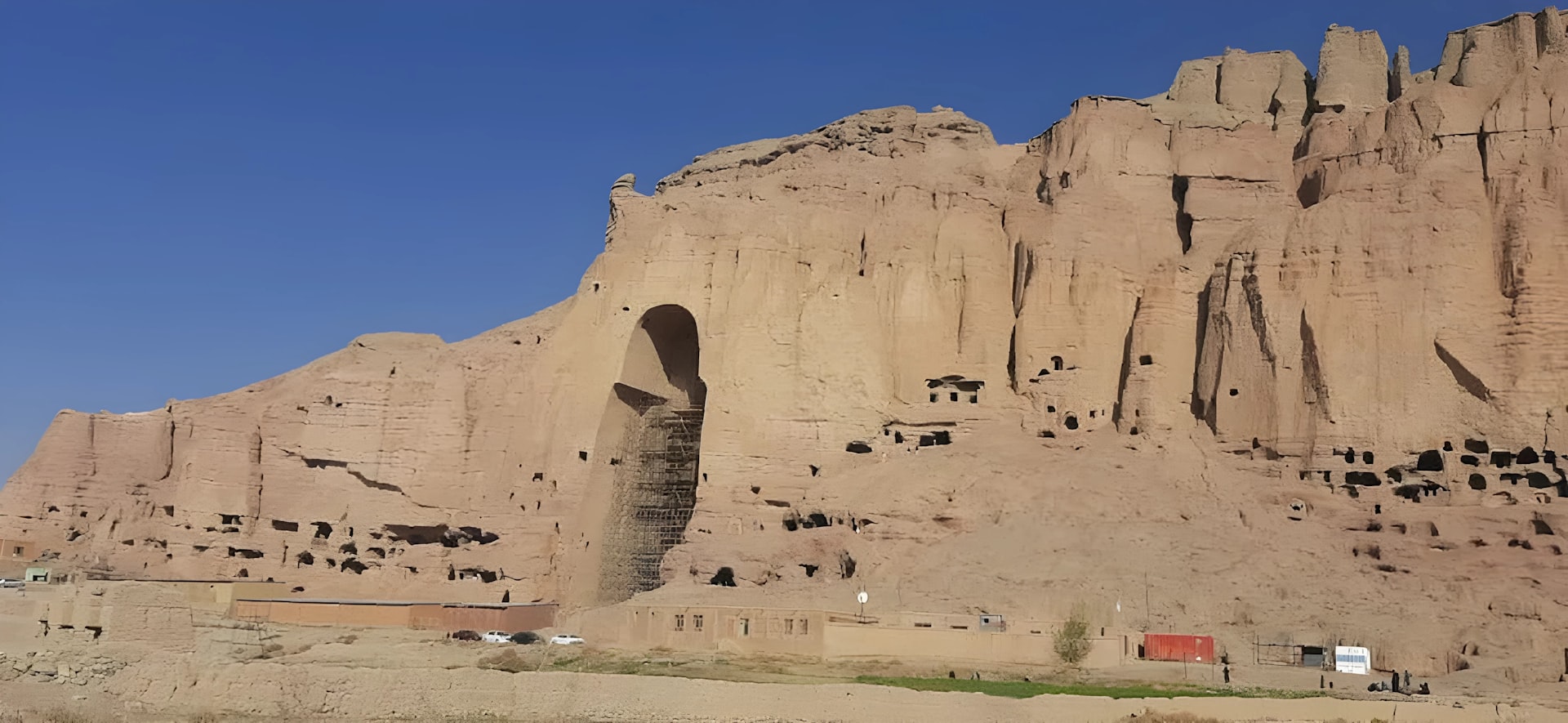

Photo by Nowshirwan Bakhtyar on Unsplash
Introduction
Central Asia’s history is a tapestry woven by many dynasties-some renowned, others nearly forgotten. While names like the Mongol Empire and Timur are widely recognized, numerous other dynasties once held sway over vast territories, leaving subtle yet profound marks on Eurasian civilization. This article explores these forgotten dynasties , provides guidance on tracing their legacies, and details actionable steps for accessing research resources and opportunities for deeper study.

Photo by Benyamin shamis on Unsplash
Unveiling the Lost Dynasties: Who Were They?
Central Asia has been home to a succession of powerful empires and ruling families. Many, such as the Kidarite , Hephthalite , Samanid , Seljuk , Khwarezmid , and the various Khanates of Khiva, Bukhara, and Kokand, have faded from popular memory despite their enormous influence [1] . The Kidarite Dynasty emerged in the 4th century and briefly ruled parts of Bactria and Gandhara. Their reign marked a transition from Kushan to Hephthalite dominance and contributed to the region’s complex cultural blend [3] . The Hephthalites , also known as the White Huns, dominated much of Central Asia in the 5th and 6th centuries. Their empire stretched across present-day Afghanistan, Uzbekistan, and Turkmenistan, but their legacy remains obscured by later conquests and the lack of written records [1] . The Samanid Dynasty (819-999 CE) presided over a cultural renaissance in Persia and Transoxiana. Noted for fostering Persian literature and Islamic scholarship, the Samanids are often overlooked in favor of their mightier successors [1] . The Seljuk Turks and Khwarezmid Empire dominated the region from the 10th to 13th centuries, shaping local governance, architecture, and religious institutions before the Mongol invasions [1] . The Khanates of Khiva, Bukhara, and Kokand emerged after the Timurid collapse, providing the last independent centers of culture and commerce in the region before Russian conquest in the 19th century [1] .
Why Are These Dynasties Forgotten?
Several factors have led to the obscurity of these dynasties:
- Fragmented historical records : Many Central Asian dynasties left few written sources, relying on oral traditions that were lost or suppressed after conquest.
- Successive invasions : The region’s constant flux-due to Mongol, Persian, Russian, and later Soviet expansion-erased much local history and replaced it with imperial narratives.
- Language shifts : Changing administrative and scholarly languages made older documents inaccessible to later generations.
- Marginalization in global history : Eurocentric historical paradigms have often ignored Central Asia’s contributions to science, trade, and culture.
Tracing Their Influence: Lasting Legacies
Despite their obscurity, these dynasties shaped:
- Trade routes : The Silk Road flourished under Samanid and Seljuk patronage, linking China, Persia, and Europe [1] .
- Urban development : Cities like Bukhara, Samarkand, and Khiva became hubs of culture and learning, their architectural styles reflecting centuries of dynastic rule.
- Religious transformation : The spread of Islam and the fusion of nomadic and settled cultures under Timurid and Khanate rule produced unique religious and artistic traditions.
- Political boundaries : Modern Central Asian borders often trace back to ancient khanates and empires [1] .
Practical Strategies for Researching Forgotten Dynasties
Anyone interested in learning more or accessing resources about these dynasties can take several steps:
1. Academic Databases and Libraries Many universities and research institutions maintain extensive archives on Central Asian history. You can search for terms like “Hephthalites,” “Samanid dynasty,” “Khanate of Khiva,” and “Kidarite dynasty” in digital collections, such as JSTOR or the Library of Congress. If you lack access, consider contacting a local public or university library for interlibrary loan options.
2. Museum Collections Institutions like the British Museum and the State Museum of History of Uzbekistan host exhibits and digital resources. To view artifacts, search for “Central Asian dynasties” on museum websites or consult curators for research access. For regional museums, use keywords like “Central Asia archaeology” and “Timurid artifacts.” If museum websites are unavailable, inquire directly by phone or official email for guidance.
3. Professional Organizations Groups such as the Central Eurasian Studies Society (CESS) provide scholarly networks and annual conferences. You can join mailing lists or attend events to connect with historians and archaeologists. For information about CESS, search “Central Eurasian Studies Society” and review their official site for event details and membership opportunities.
4. Online Encyclopedias and Reputable Sources Wikipedia’s History of Central Asia article offers a thorough overview of major and minor dynasties [1] . For specialist research, Encyclopaedia Iranica provides detailed articles, such as the political transitions in Khiva, Bukhara, and Kokand during the 18th and 19th centuries [2] .
Step-by-Step Guidance for Accessing Resources
- Define Your Research Focus Identify which dynasty interests you most. Use keywords like “Hephthalite Empire history” or “Samanid cultural achievements” for targeted searches.
- Consult Verified Sources Begin with accessible and reputable online sources, ensuring each website is official and current. Use academic search engines and official museum sites.
- Contact Experts Reach out to university history departments, museum curators, or professional organizations for recommendations. Provide a brief summary of your research goals and inquire about specific collections or publications.
- Attend Conferences and Seminars Many organizations host public lectures and webinars. Search for events using terms like “Central Asian history conference” and register through official platforms.
- Cross-Reference Information Compare data from multiple sources to ensure accuracy. If you encounter conflicting information, note which sources are most authoritative, such as peer-reviewed journals or official museum publications.
Challenges and Solutions in Research
Challenge: Scarcity of written records and fragmented sources. Solution: Use archaeological findings, coins, and architecture to supplement textual research. Collaborate with multi-disciplinary teams, including linguists and anthropologists, for broader perspectives.
Challenge: Language barriers in accessing primary documents. Solution: Seek translations in academic journals and use online translation tools for preliminary understanding. Consider enrolling in introductory courses on Persian, Turkic, or other relevant languages.
Challenge: Navigating conflicting historical narratives. Solution: Prioritize sources from recognized institutions and cross-reference claims. For contentious topics, consult scholarly debates and reviews in academic journals.
Alternative Approaches
If direct access to resources is limited, consider:
- Joining online history forums to exchange information and locate rare materials.
- Subscribing to newsletters from museums or academic societies for updates on new findings.
- Exploring documentary films and podcasts focused on Central Asian history for accessible introductions.
Key Takeaways and Next Steps
The forgotten dynasties of Central Asia offer a rich field of study for historians, educators, and curious individuals. By leveraging academic resources, museum collections, and professional networks, you can uncover their hidden legacies and appreciate their enduring impact. For the most current research, always rely on official sources and consult with experts in the field. If you wish to contribute to ongoing scholarship, consider publishing your findings or presenting at regional history conferences.