Preserving Oral History and Community Memory: Capturing Voices That Shape Our Past
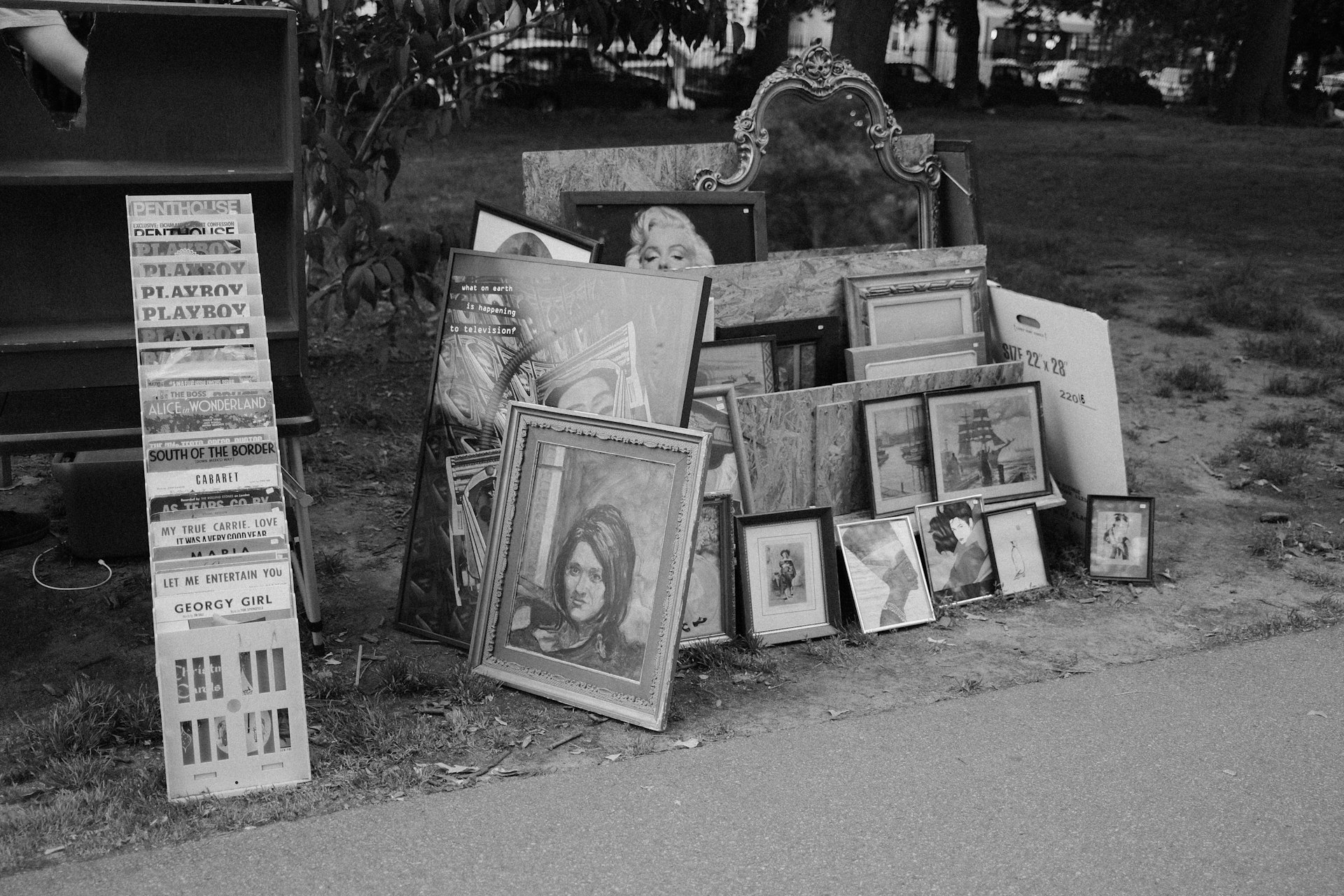

Photo by Danny Greenberg on Unsplash
Understanding Oral History and Its Role in Community Memory
Oral history serves as a vital method for gathering, preserving, and interpreting the voices and memories of individuals, communities, and participants in past events. It captures personal narratives that often fill gaps in traditional written records, providing firsthand accounts of everyday life and overlooked perspectives. [1] Unlike standard historical documents, oral history emphasizes the human element, recording not just facts but emotions, reflections, and cultural nuances that shape community identity. Community memory, in this context, refers to the collective recollections shared among groups, which oral history helps sustain by archiving these stories for posterity.
For instance, oral history projects document how people experienced significant events, offering insights into social dynamics that facts alone cannot convey. This approach dates back to ancient oral traditions but gained modern traction with recording technologies in the 1940s. [2] By focusing on narrators-individuals sharing their stories-oral history empowers communities to control their own historical narrative, making it an inclusive tool for underrepresented voices. In practice, this means conducting structured interviews that preserve legacies, foster intergenerational dialogue, and enrich cultural heritage.
Challenges arise with memory’s subjectivity; recollections can evolve over time or be influenced by current perspectives. To address this, historians recommend cross-verifying multiple accounts for a balanced view, ensuring oral history complements rather than replaces written sources. [3] Real-world applications, such as community archives, demonstrate its power: projects like surf culture histories in St. Augustine united locals, generated exhibits, and revealed new facets of local identity.
The Process of Conducting Oral History Interviews
Starting an oral history project begins with preparation. Identify narrators with direct knowledge of the community’s past, then develop open-ended questions to stimulate detailed responses. Use statement-style prompts like ‘Tell me about your role in that event’ to evoke personal experiences rather than secondhand tales. [4] Equipment choices range from digital audio recorders to video for capturing nonverbal cues, ensuring high-quality preservation.
Step-by-step guidance includes: First, obtain informed consent, explaining how recordings will be used and stored. Second, create a comfortable setting for the one-on-one interview, which typically lasts 1-2 hours. Third, listen actively, following the narrator’s lead while gently probing for depth. Post-interview, transcribe and index the material for accessibility. Ethical considerations are paramount-respect privacy and secure permissions for archiving.
A practical example comes from university libraries, where students interview elders about neighborhood changes, resulting in digital collections that enhance community memory. Potential hurdles include technical glitches or reluctant narrators; solutions involve testing equipment beforehand and building rapport through preliminary meetings. Alternatives like group interviews can capture diverse viewpoints, though they require skilled facilitation to avoid dominance by vocal participants.
Preserving and Sharing Community Memory Through Oral Histories
Preservation transforms raw interviews into lasting resources. Digitize recordings and create searchable transcripts, depositing them in repositories like historical societies or libraries. This ensures community memory endures, accessible to researchers and descendants alike. [5] Institutions like the Smithsonian emphasize archiving the full interview to retain authenticity, avoiding editorial bias.
Sharing amplifies impact: exhibits, podcasts, or online platforms make stories public, fostering community pride. The St. Augustine Historical Society’s surf project illustrates this-interviews led to events and displays, engaging a new demographic and preserving niche histories. [3] For community-led efforts, partner with local archives for expertise. Challenges such as funding can be met through grants from historical associations; alternatives include crowdsourced platforms for volunteer transcription.
To implement, outline these steps: Select a theme tied to your community’s memory, recruit 5-10 narrators, record and process interviews, then host a launch event. This not only safeguards stories but builds social cohesion, as participants feel valued.
Benefits and Challenges of Oral History in Building Community Memory
Oral history enriches community memory by humanizing history, revealing untold narratives from ordinary lives. It addresses archival inequities, particularly for marginalized groups, by centering their voices and promoting shared authority in preservation. [6] Benefits include educational value-schools use these for curricula-and therapeutic effects, as narrators process experiences.
Yet challenges persist: Memory reliability wanes with time, necessitating prompt collection from multiple sources. Truthfulness concerns are mitigated by corroboration. Cognitive issues in aging narrators call for sensitivity and diverse interviewee pools. Despite these, the method’s strengths shine in projects like UCI’s community partnerships, which adapt to group needs for inclusive archives.

Photo by Galt Museum & Archives on Unsplash
Case studies abound: EPA-guided projects preserve environmental histories through resident interviews, while tribal oral traditions demonstrate its ancient roots. To overcome barriers, train interviewers via free online resources from the Oral History Association, ensuring ethical, high-quality work.
Practical Applications and Getting Started in Your Community
Apply oral history locally by targeting themes like migration, festivals, or industry changes. Engage youth to interview elders, bridging generations and revitalizing community memory. Tools include free software like Audacity for recording and Omeka for online exhibits.
Detailed steps: 1) Research your community’s gaps via local libraries. 2) Form a small team and secure permissions. 3) Schedule interviews, aiming for variety. 4) Process and archive digitally. 5) Disseminate through community centers. Examples from Cal State LA show student projects yielding diverse personal histories. [7]
Alternatives for beginners: Start with family stories before scaling. Challenges like low participation? Offer incentives like public recognition. This approach not only preserves memory but strengthens communal ties, making history alive and relevant.
Conclusion: Empowering Communities Through Preserved Voices
Oral history and community memory intertwine to create resilient cultural tapestries. By systematically capturing stories, communities honor their past while inspiring futures. Begin today-your interviews could define tomorrow’s heritage.
References
[1] Claremont Colleges Library, Oral History Toolkit (n.d.). Defines oral history and its purposes.
[2] Oral History Association, Oral History Defined (n.d.). Explains historical context and value.
[3] St. Augustine Historical Society, The Importance of Oral History (n.d.). Discusses applications and challenges.
[4] Smithsonian Institution Archives, How to Do Oral History (n.d.). Provides interviewing techniques.
[5] EPA, An Introduction to Oral History Projects (n.d.). Covers preservation basics.
[6] UC Irvine, Oral History Toolkit (n.d.). Addresses community-centered approaches.
[7] Cal State LA, Oral History Resources (n.d.). Offers practical resources.