
How the Mexican Cession Reshaped U.S. Politics and the Slavery Debate
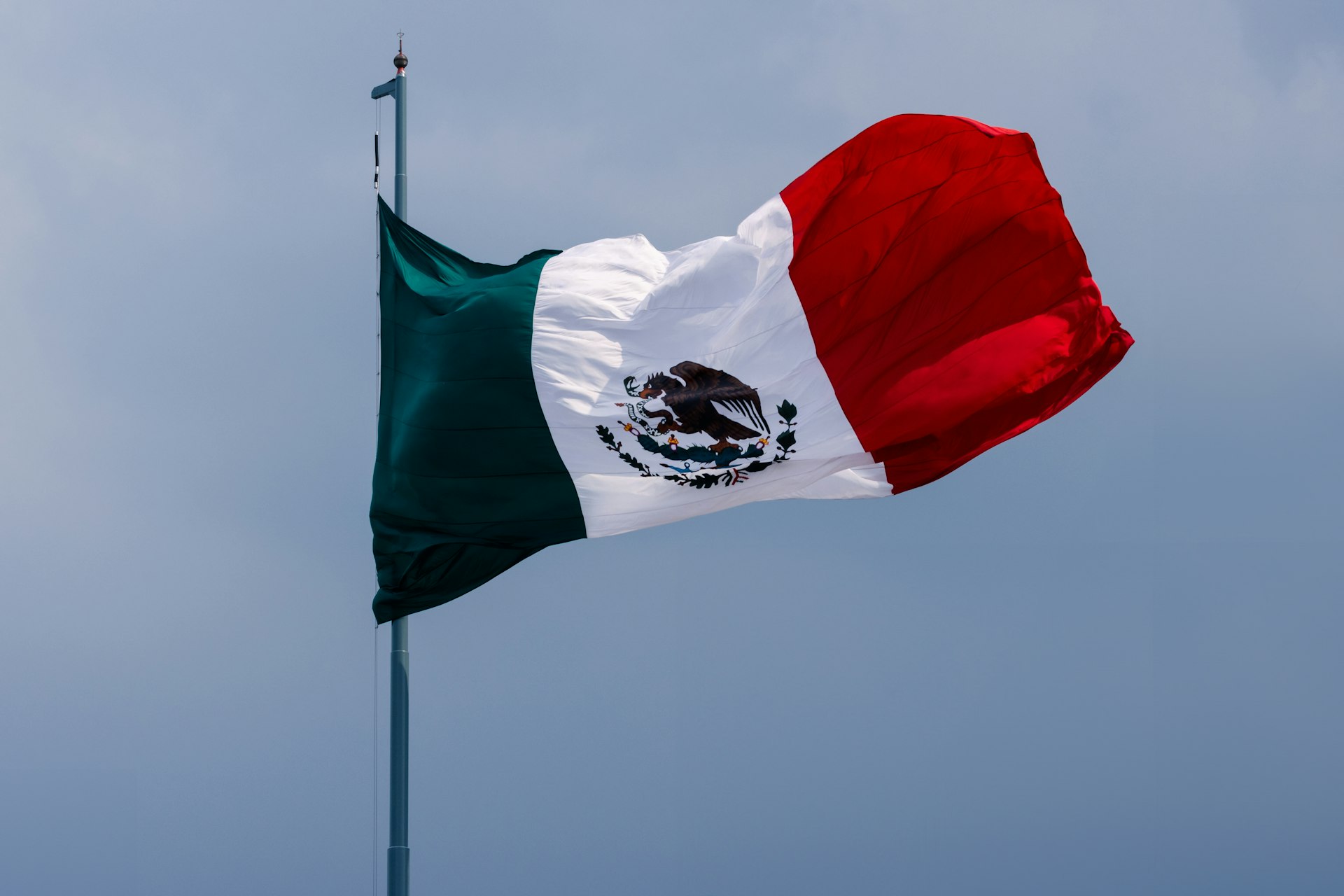

Photo by Roger Ce on Unsplash
The Mexican Cession: Expanding the Nation and Exposing Deep Divides
In 1848, the Treaty of Guadalupe Hidalgo concluded the Mexican-American War, transferring over 525,000 square miles-including modern California, Nevada, Utah, Arizona, New Mexico, Colorado, and Wyoming-from Mexico to the United States [1] . While this territorial gain fulfilled the expansionist ambitions of Manifest Destiny, it also thrust the country into a political crisis over the future of slavery in these new lands. The struggle to resolve whether slavery would be permitted intensified existing sectional tensions between the North and South, setting the stage for a national reckoning.
The Political Landscape Before the Cession
Before the Mexican Cession, the United States was already divided over the expansion of slavery. The Missouri Compromise of 1820 had sought to strike a balance by prohibiting slavery north of the 36°30′ parallel, except for Missouri. Yet, as new western territories were added, the question of whether these areas would allow slavery became increasingly urgent and contentious [3] . Northern states generally opposed the spread of slavery, while Southern states viewed the expansion as essential to preserving their way of life and political power.
The Slavery Question in the New Territories
The Mexican Cession forced Congress and the nation to confront the issue of slavery head-on. The newly acquired territory had never operated under the slave system, and antislavery advocates argued it should remain free. Conversely, Southern leaders insisted that settlers should be able to bring enslaved people into all federal territories. This disagreement led to intense debates and political maneuvering in Congress, with both sides refusing to compromise on what they saw as fundamental issues of morality, economics, and political representation [1] .
The Compromise of 1850: Attempting to Bridge the Divide
As California’s population surged during the Gold Rush, the territory quickly drafted a constitution that prohibited slavery and applied for statehood. The Missouri Compromise line would have split California in two, but Californians refused to divide the state. Admission as a free state threatened to upset the delicate balance between free and slave states in the Senate [2] .
To resolve this crisis, Congress passed the Compromise of 1850 , a package of laws with several major provisions:
- California admitted as a free state , tipping the Senate balance toward free states.
- Stronger Fugitive Slave Law , requiring citizens and officials in all states to help capture escaped enslaved people or face punishment, regardless of local laws or sentiment.
- Popular sovereignty in the New Mexico and Utah territories, allowing settlers to decide on slavery by vote, rather than by Congressional mandate.
- Abolition of the slave trade (but not slavery itself) in Washington, D.C.
This compromise temporarily alleviated immediate tensions by giving something to both sides, but it did not resolve the underlying conflict. The question of how, or whether, slavery would expand remained open-and deeply divisive [2] .
Escalating Sectional Tensions and Legislative Fallout
Despite the Compromise of 1850, the issue of slavery in the West continued to provoke fierce debate and unrest. The doctrine of popular sovereignty, intended as a neutral solution, instead led to violent confrontations as pro- and anti-slavery settlers flooded into new territories to influence votes. A notable example is “Bleeding Kansas,” where clashes over slavery foreshadowed the violence of the Civil War [3] .
Meanwhile, the Fugitive Slave Law angered Northerners, many of whom resented being compelled to support slavery. This law led to increased activism in the abolitionist movement and heightened resistance to slave catchers. Southerners, however, felt their rights were continually under threat, deepening their sense of alienation from the federal government. The fragile peace established by the Compromise was further undermined by subsequent legislation, such as the Kansas-Nebraska Act of 1854, which repealed the Missouri Compromise and reopened the question of slavery in the territories [3] .
Long-Term Impacts and the Road to Civil War
The Mexican Cession’s most enduring legacy was its role in hastening the nation’s descent into civil war. By dramatically increasing the amount of land open for debate over slavery, it forced Americans to confront the incompatibility of free and slave labor systems. The failure of political compromises to permanently resolve the issue demonstrated the limits of legislative negotiation in the face of profound moral and economic differences [1] .
As tempers flared and trust eroded between North and South, political parties fractured along sectional lines. The rise of the Republican Party in the 1850s, founded on an antislavery platform, and the election of Abraham Lincoln in 1860, prompted Southern states to secede, directly leading to the outbreak of the Civil War. The expansion of territory, meant to ensure American prosperity and unity, instead became the battleground for the country’s most divisive conflict.
Accessing Further Resources and Historical Guidance
If you are interested in researching the legislative debates or original documents related to the Mexican Cession and slavery, you can:
- Visit the Library of Congress website and search for “Compromise of 1850,” “Mexican Cession debates,” or “Fugitive Slave Act.” The Library offers digitized congressional records and historical texts.
- Consult the National Archives for original treaties, legislative acts, and census data from this period. Use search terms like “Treaty of Guadalupe Hidalgo,” “Mexican Cession,” and “Compromise of 1850.”
- For educational overviews, Khan Academy provides accessible lessons on the causes of the Civil War and the impact of the Compromise of 1850 [2] .
- The American Battlefield Trust offers articles and resources on how territorial expansion and the Mexican-American War contributed to the political crisis over slavery [3] .
- To understand the perspectives of those living in the newly acquired territories, consider searching university library archives for primary source documents, including letters, diaries, and local government records from the era.
For those seeking in-depth research, you may also contact local historical societies or university history departments for guidance on accessing specialized archives or collections. Many public libraries offer interlibrary loan services that can help you obtain relevant books or documents.

Photo by Chris Kursikowski on Unsplash
Key Takeaways and Ongoing Relevance
The Mexican Cession represents a turning point in American history, not only for its expansion of territory but for the way it forced the nation to confront the moral and political crisis of slavery. The legislative responses-including the Compromise of 1850-demonstrated both the possibilities and limits of compromise in the face of deeply held disagreements. While the solutions of the 1850s were temporary, the questions they raised about federal authority, states’ rights, and human freedom continue to resonate in discussions about American identity and justice today [1] .