How the Industrial Revolution Reshaped Modern Society: Impacts, Challenges, and Lasting Change
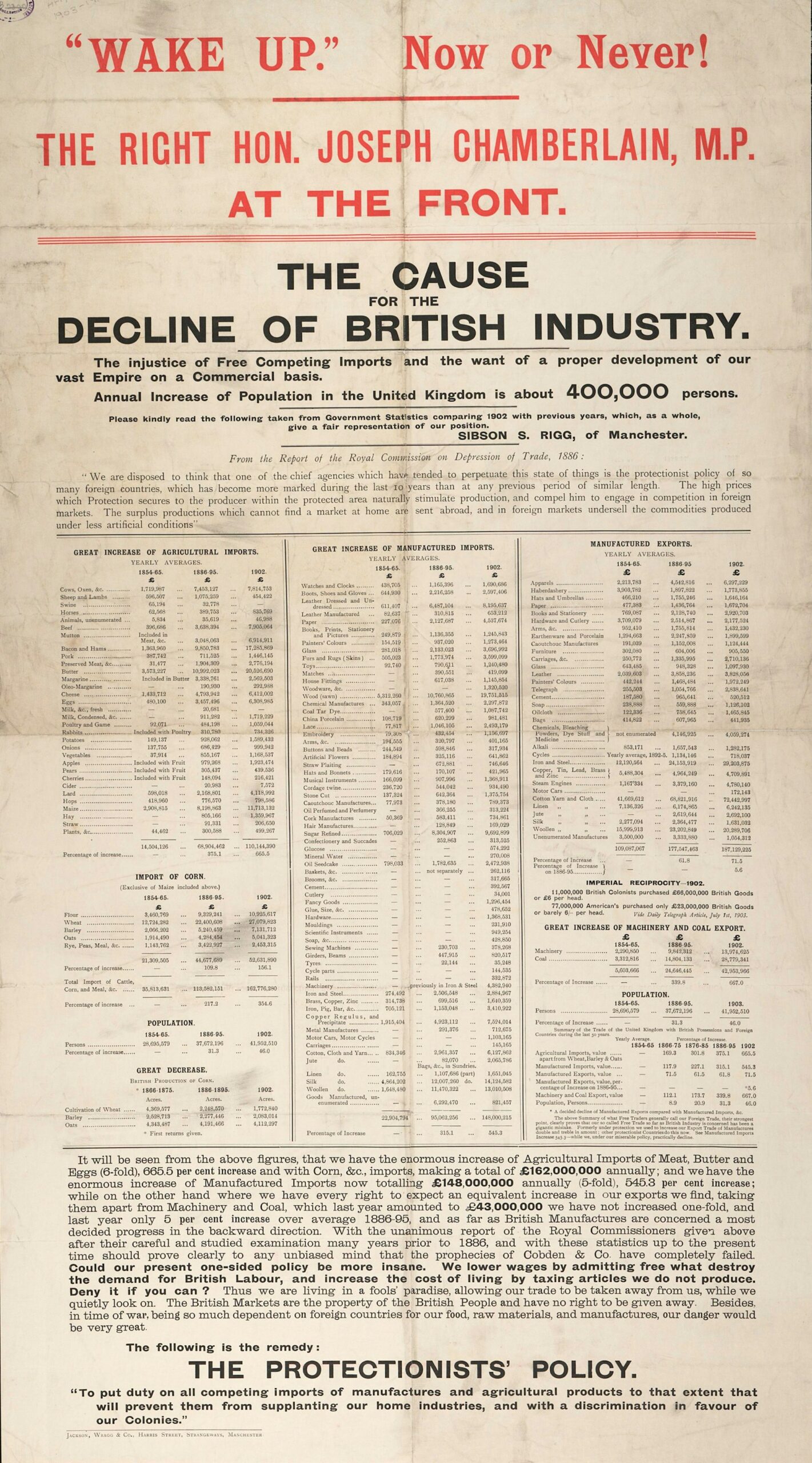

Photo by LSE Library on Unsplash
Introduction: A Turning Point in Human History
The Industrial Revolution, beginning in the mid-18th century and extending into the 19th, stands as one of the most transformative periods in human history. Its impact was not limited to technological advances; it dramatically reshaped the very fabric of society, influencing how people lived, worked, and interacted. Understanding these changes offers valuable insight not only into historical developments but also into the roots of many modern social, economic, and environmental trends [3] .
Transformation of Daily Life and Labor
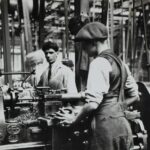
Prior to industrialization, most people worked in agriculture or small-scale cottage industries, often as part of extended family units. The advent of factory systems fundamentally altered this dynamic. Factories demanded strict schedules, with workers-often including women and children-laboring for 12 to 14 hours a day , usually under hazardous conditions. Children and the poor were particularly vulnerable, sometimes working in dangerous environments for minimal pay [1] [2] .
As urban centers swelled, many families resided in overcrowded tenement housing with inadequate sanitation, leading to frequent outbreaks of disease and social unrest. Over time, public awareness and reform movements led to the gradual establishment of labor laws, including the restriction and eventual ban of child labor in many regions [1] .
Step-by-step guidance:
To learn more about the evolution of labor laws and working conditions, you can search for “history of labor legislation” in reputable academic databases, or consult official resources provided by labor history museums and your local library’s historical archives.
Urbanization and New Ways of Living
Industrialization led to massive population shifts from rural areas to rapidly growing cities-a process known as urbanization. By the 19th century, more people lived in towns and cities than in the countryside for the first time in British history [5] . This migration fueled both economic growth and social challenges, including inadequate infrastructure, pollution, and high crime rates.
Although urban life brought new opportunities, the influx also strained city services and housing, resulting in slums and widespread poverty. These conditions often spurred public health crises, eventually prompting early sanitation and public health reforms.
Actionable guidance:
If you’re interested in exploring the urban impact of industrialization, consider visiting city history museums or searching for “urbanization during the Industrial Revolution” in public archives or university websites for further study.
Changing Social Classes and Mobility
The Industrial Revolution fundamentally altered social hierarchies. Previously, land-owning aristocrats dominated society. With industrialization, a new class structure emerged, driven by industrial ownership and entrepreneurship rather than land.
- Working Class: Factory workers and manual laborers, often facing long hours and poor living conditions.
- Middle Class: Managers, professionals, and small business owners who valued education and property.
- Bourgeoisie (Upper Middle Class): Wealthy industrialists and business owners who controlled factories and capital.
- Elite Class: Old aristocracy and top capitalists who held significant political and economic influence.
This new stratification was often rigid, with limited social mobility for the working class. The concentration of wealth among industrialists amplified economic inequality, setting the stage for social and political tensions, and inspiring new economic philosophies like socialism and communism [2] [1] .
Practical application:
To analyze the modern legacy of these class changes, review sociological studies or search for “social mobility post-Industrial Revolution” in academic journals. Many universities offer free online lectures on this topic.
Gender Roles and Family Dynamics
Industrialization also disrupted established gender roles. In working-class families, women and children often had to contribute to the family income by working in factories-a sharp contrast to the previous norm of home-based labor. Middle-class women, meanwhile, were increasingly idealized as homemakers, with their roles narrowed to the domestic sphere, a concept sometimes called the “cult of domesticity” [1] .
These shifts in labor also triggered debates about women’s rights and child welfare, giving rise to early social reform movements. Over time, activism led to the passage of laws protecting women and children in the workplace and expanded educational opportunities.
Implementation guidance:
To learn more about the changing roles of women and children, you may search for “gender and family during the Industrial Revolution” in university library catalogs or visit reputable historical societies’ websites.
Economic Growth, Consumer Culture, and Innovation
The Industrial Revolution dramatically increased material wealth, especially in the Western world. The adoption of mechanized production and new technologies boosted productivity, raised average incomes, and helped fuel the rise of a consumer culture, particularly among the expanding middle class [2] [3] .
Mass production made goods more affordable, enabling a wider portion of society to access products that were once considered luxuries. These changes also encouraged the development of modern banking, insurance, and retail sectors.
Alternative approach:
For those interested in exploring the economic legacy of the era, consider searching for “economic impact of Industrial Revolution” in the archives of national economic history museums or trusted educational platforms.
Environmental Impact and Early Reform Efforts
Industrialization had profound environmental consequences. Factories and urban expansion led to significant air and water pollution, deforestation, and resource depletion. Public health crises were common in burgeoning industrial cities, prompting some of the first conservation and public health movements [1] [5] .
These early environmental challenges eventually led to reforms in sanitation, the creation of green spaces, and the introduction of pollution control measures. Today, the legacy of these environmental impacts is a key area of study in understanding both historical and contemporary urban planning and sustainability.
Step-by-step guidance:
To examine the environmental impact of industrialization, you can search for “environmental consequences of the Industrial Revolution” in environmental science journals or visit the websites of national environmental agencies for historical reports and resources.
Accessing Further Resources and Learning Opportunities
The enduring influence of the Industrial Revolution is visible in virtually every aspect of modern society. For those seeking to deepen their understanding or find specific resources, consider the following step-by-step approach:

Photo by The Cleveland Museum of Art on Unsplash
- Start with Academic Libraries: Use your local or university library’s digital archives. Search terms like “Industrial Revolution social impact,” “urbanization history,” or “labor reform 19th century” yield extensive results.
- Explore Official Museum Collections: Many history museums, such as the Science Museum in London or the Smithsonian Institution, offer online exhibits and educational materials about the era.
- Consult Government and Educational Agencies: National archives and educational departments often provide curated lesson plans, historical documents, and primary sources. You may search for “Industrial Revolution educational resources” on these official sites.
- Participate in Online Courses: Platforms like Coursera or edX may offer free or low-cost university-level courses on the Industrial Revolution’s social and economic impact.
Always ensure the resources you consult are from reputable, established institutions to guarantee accuracy and depth.
Conclusion: Lasting Legacies and Modern Relevance
The Industrial Revolution forever changed the structure of society, economy, and environment. Its legacy persists in how we live, work, and interact, as well as in ongoing debates about social justice, economic opportunity, and environmental responsibility. By understanding its multifaceted impact, we gain not only historical insight but also practical guidance for navigating the challenges and opportunities of the present day.
References
- [1] Fiveable (2023). Social Effects of Industrialization – Study Guide
- [2] Wikipedia (2025). Industrial Revolution
- [3] Encyclopedia.com (2025). The Social Impact of the Industrial Revolution
- [4] International School History (2025). Lesson 5 – The Social Impact of the Industrial Revolution
- [5] World History Encyclopedia (2025). Social Change in the British Industrial Revolution