
How the Enlightenment Revolutionized Political Thought and Modern Governance
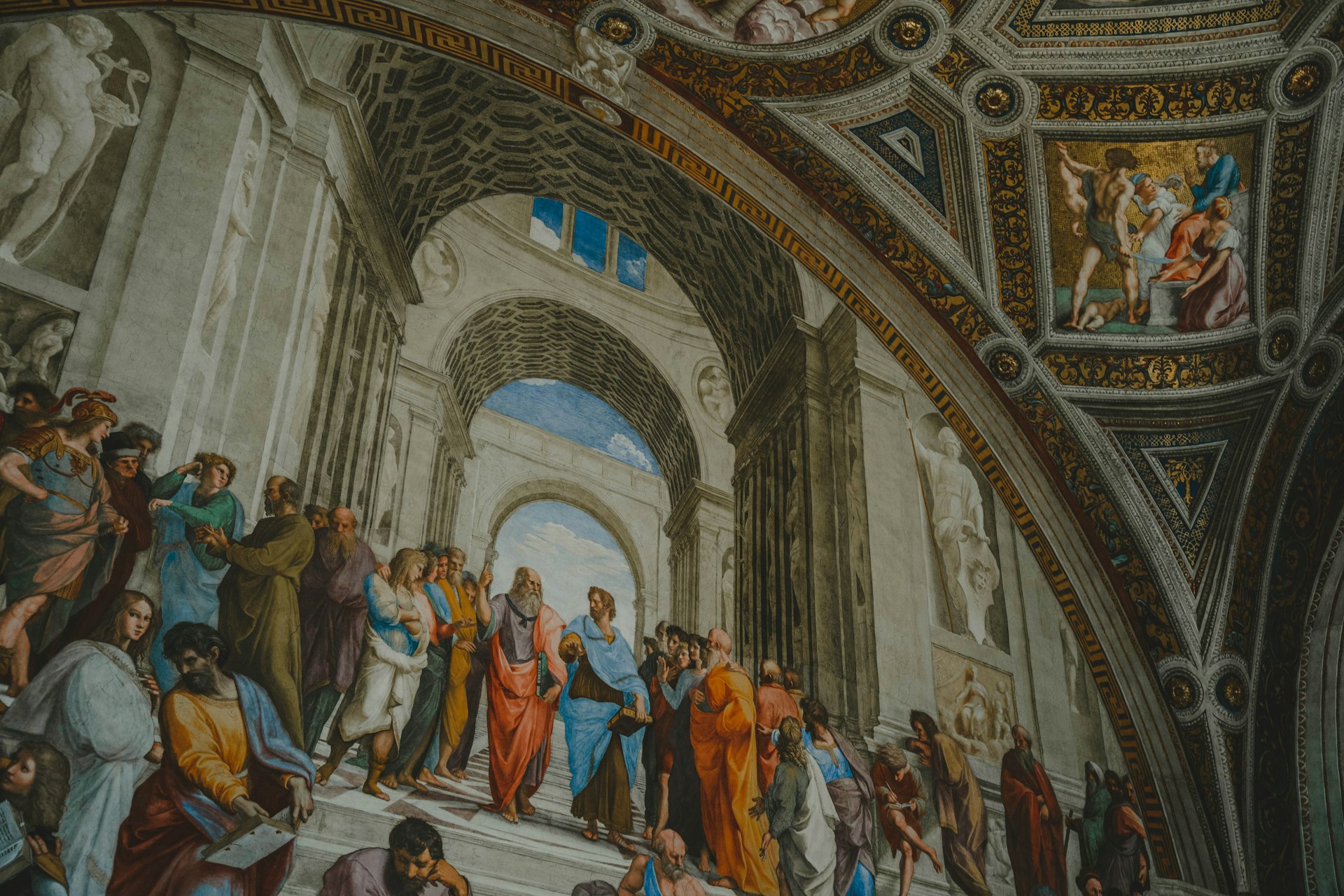

Photo by Marika Iaccarino on Unsplash
Introduction: The Enlightenment and Its Lasting Political Legacy
The Enlightenment, often called the Age of Reason, was an intellectual movement in 17th- and 18th-century Europe that dramatically reshaped the way political systems were conceived and governed. Its core values-reason, individual liberty, scientific inquiry, and skepticism toward authority-challenged entrenched traditions and transformed the world’s approach to politics, government, and society at large. The movement’s impact is still visible today in modern democracies, human rights frameworks, and the principles of constitutional government. [1]
The Birth of Modern Political Ideals
Enlightenment thinkers fundamentally questioned the legitimacy of monarchies, the divine right of kings, and the role of religion in government. Instead, they advocated for a political order based on reason , individual rights , and the consent of the governed . John Locke, for example, argued that government must derive its authority from the people, not from hereditary rulers or religious sanction. This radical idea-contrasting sharply with the prevailing notion of absolute monarchy-sparked powerful movements for political reform and revolution. [3]
Locke’s theories influenced foundational documents such as the United States Declaration of Independence and the French Declaration of the Rights of Man and of the Citizen. The principle of the
social contract
-that government exists by agreement of the governed and can be replaced if it fails to protect their rights-became central to modern political thought.
[4]
From Philosophical Critique to Revolutionary Action
The Enlightenment’s challenge to traditional authority fueled major political revolutions in the 18th century. The American Revolution and the French Revolution were both deeply inspired by Enlightenment ideals. In each case, revolutionaries used concepts like liberty, equality, and democratic representation to justify overthrowing monarchies and establishing new forms of government. [1]
Enlightenment ideas also influenced other political leaders across Europe. Monarchs such as Catherine the Great of Russia and Frederick the Great of Prussia pursued reforms inspired by Enlightenment principles, including religious toleration, legal equality, and education reforms. This approach, known as
enlightened absolutism
, demonstrated that even traditional rulers could be swayed by new ways of thinking.
[2]
Key Concepts Introduced by Enlightenment Political Thought
- Individual Liberty: The right of individuals to think, speak, and act freely, so long as they do not harm others.
- The Rule of Law: Laws should govern a nation, not arbitrary decisions by rulers. All citizens are equal before the law.
- Separation of Powers: Government powers must be divided among branches to prevent tyranny, an idea championed by Montesquieu.
- Religious Freedom and Toleration: People should be free to practice their religion without interference from the state.
- Checks and Balances: A system for ensuring no branch or individual in government becomes too powerful.
- Human Rights: Basic rights and freedoms belong to every person, a concept that would later underpin modern human rights law. [6]
To study these concepts further, you can explore the writings of Enlightenment philosophers such as John Locke, Voltaire, Jean-Jacques Rousseau, and Montesquieu. Their original texts, as well as analyses from reputable academic sources, are available in university libraries and official philosophy archives.
How Enlightenment Ideas Spread and Took Hold
The 18th-century saw a rapid expansion of print culture-books, pamphlets, and newspapers-which helped Enlightenment ideas reach a broad audience. Salons, coffeehouses, and scientific academies became hubs for intellectual exchange. These spaces allowed not only philosophers but also political leaders and ordinary citizens to debate and refine new political principles. [2]
Enlightenment texts and debates didn’t stay confined to Europe. They crossed the Atlantic and directly influenced revolutionary leaders in the American colonies, who adopted and adapted these ideas in their fight for independence and in the framing of the U.S. Constitution. If you are interested in accessing original Enlightenment texts, consider searching for digitized archives through established university websites or the official sites of national libraries.
Practical Steps for Exploring Enlightenment Political Thought Today
To deepen your understanding or apply Enlightenment principles to contemporary issues, you can:
- Study Primary Texts: Begin with foundational works such as Locke’s “Second Treatise of Government,” Rousseau’s “The Social Contract,” and Montesquieu’s “The Spirit of the Laws.” These can often be found through university library databases or reputable open-access archives.
- Review Academic Analyses: Many universities and academic institutions offer free access to critical essays and analyses of Enlightenment thinkers. Search using terms like “Enlightenment political philosophy” or specific philosopher names on academic platforms.
- Participate in Discussion Forums: Engage in debates and discussions about Enlightenment ideas on platforms like university-sponsored discussion boards or public library programming.
- Visit Museums and Exhibits: Some museums and historical societies offer exhibits on Enlightenment history and its influence on modern governance. Check local listings for upcoming events or exhibitions.
- Attend Public Lectures: Many universities and cultural organizations host lectures or seminars on political thought, both in-person and virtually.
If you need help finding these resources, you can contact your local public or university library for guidance on accessing both physical and digital materials related to Enlightenment thought and its impact on political systems.
Challenges and Critiques of Enlightenment Political Thought
While the Enlightenment had a transformative effect, it was not without criticism. Some argued that its rationalist approach could be too abstract or disconnected from practical realities, as seen in the turmoil of the French Revolution’s later stages. [1] Others pointed out that many Enlightenment thinkers excluded women, enslaved people, and non-Europeans from their definitions of liberty and rights. The movement’s legacy is thus complex, and modern scholars continue to debate its strengths and limitations.
For a balanced perspective, consider reading both Enlightenment authors and their critics, as well as modern historical analyses. University philosophy departments, official academic platforms, and established historical societies are excellent places to start your research.
Continuing the Enlightenment Legacy: Applying Its Principles Today
The Enlightenment’s emphasis on reason, liberty, and human rights remains foundational to current debates on democracy, civil society, and justice. Activists, policymakers, and educators regularly invoke these principles in movements for expanded rights and governmental reforms worldwide. If you are interested in participating in such initiatives, consider researching local civic organizations, educational workshops, or advocacy groups focused on civil liberties and political reform. You can find these by searching for “civic engagement organizations” or “human rights advocacy” in your area or through reputable nonprofit directories.

Photo by Thomas DiRoma on Unsplash
Summary: The Enduring Power of Enlightenment Thought
The Enlightenment’s impact on political thought is apparent in the structures of modern democracies, the protection of individual rights, and the ongoing quest for rational, just governance. Although its ideas have evolved and faced critique, their core values continue to inspire meaningful change. To explore further, use the strategies and resources outlined above, and consider engaging with both primary texts and contemporary scholarship for a well-rounded understanding.
References
- [1] Stanford Encyclopedia of Philosophy (2010). Enlightenment – Political Accomplishments and Legacies.
- [2] Wikipedia (2024). Age of Enlightenment – Political Influence and Modernization.
- [3] Dummies.com. How the Enlightenment Affected Politics and Government.
- [4] Council on Foreign Relations. What Is the Enlightenment and How Did It Transform Politics?
- [6] George Mason University. The Enlightenment and Human Rights.