
History of Technology Before the Industrial Revolution: From Stone Tools to Mechanical Marvels
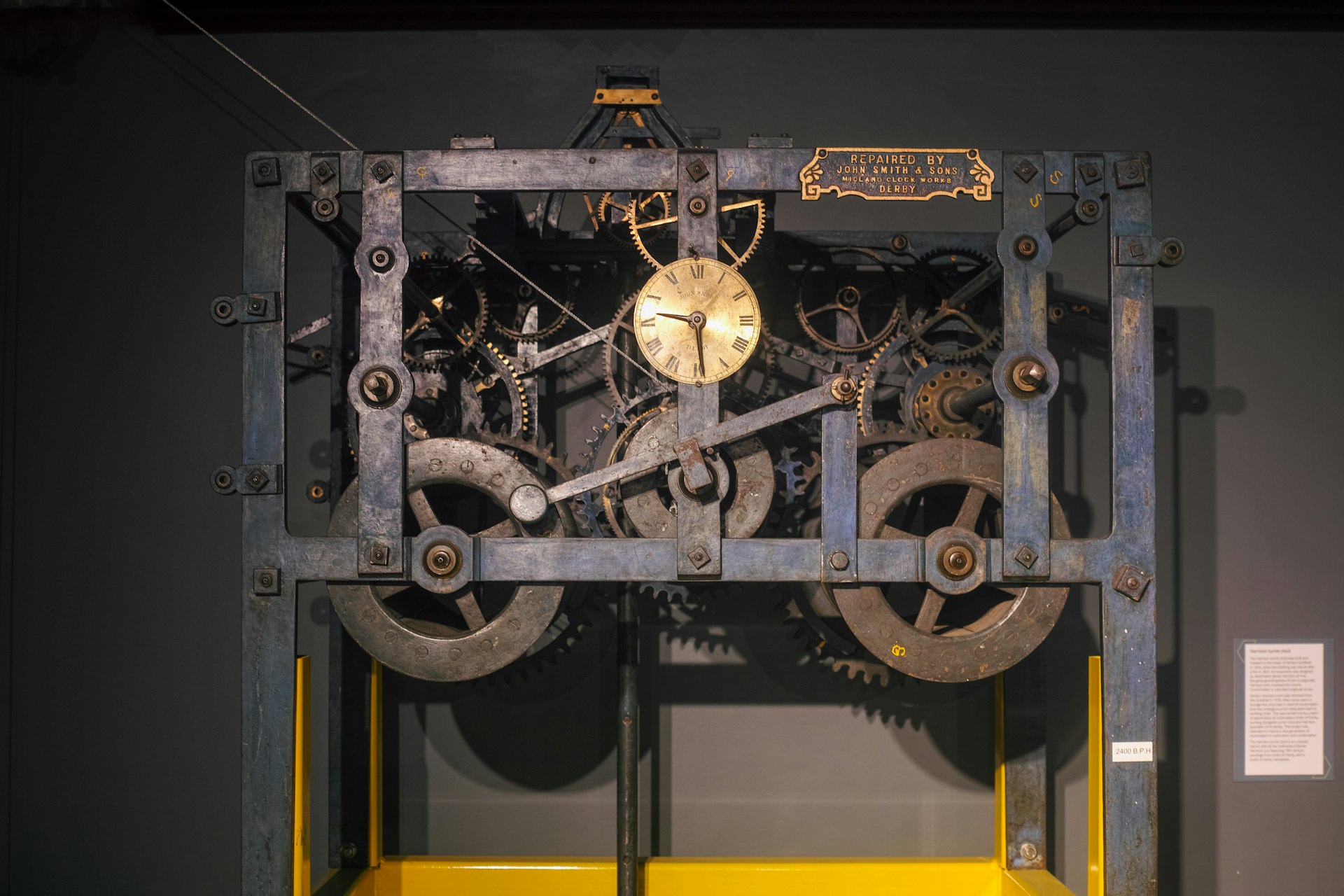

Photo by Mark Hamilton on Unsplash
Introduction to Pre-Industrial Technology
The history of technology before the Industrial Revolution, which began around 1760, spans millions of years of human innovation. From rudimentary stone tools to sophisticated mechanical devices, these developments shaped civilizations across continents. This period encompasses the Stone Age, Bronze Age, Iron Age, and classical eras up to the early modern period. Technologies emerged independently in regions like Mesopotamia, Egypt, China, India, and the Americas, driven by needs for survival, agriculture, trade, and knowledge preservation [1] [3] .
Early innovations focused on harnessing natural forces and basic mechanics, setting the stage for later advancements. Understanding this timeline provides insight into how gradual progress in materials, energy use, and automation led to the transformative changes of the 18th century. Key themes include tool-making, agriculture, transportation, and knowledge dissemination.
The Dawn of Tools: Paleolithic Era (3.3 Million Years Ago to 10,000 BCE)
The story begins over 3 million years ago with the first stone tools discovered at Lake Turkana in Kenya. Sharp stone flakes served as knives, while larger stones acted as hammers and anvils. These were likely crafted by early hominids like Australopithecus, marking humanity’s initial mastery over materials [1] . By the Middle Paleolithic around 300,000 years ago, the prepared-core technique allowed multiple blades from a single stone, improving efficiency. The Upper Paleolithic, starting 40,000 years ago, introduced pressure flaking for finer shaping using bone or antler tools [3] .
Around 1 million years ago, fire control revolutionized daily life, enabling cooking, warmth, and protection. This innovation expanded diets and supported migration out of Africa. By 35,000 BCE, notched bones facilitated counting, an early step toward mathematics and record-keeping. Rock art from 20,000 BCE in Europe evidenced symbolic thinking, while clay objects around 10,000 BCE hinted at pottery precursors [4] .
These developments addressed survival challenges like hunting and shelter. For instance, refined spears improved hunting success rates. Challenges included material scarcity, solved by trading flint across regions. Alternatives involved organic tools like wooden spears, though less durable.
Neolithic Revolution and Early Agriculture (20,000-6000 BCE)
The Neolithic Revolution from 20,000 to 15,000 years ago brought polished stone tools, pottery, and domestication of plants and animals. By 6000 BCE, irrigation systems in Mesopotamia channeled water for crops, boosting food production and enabling settled communities [1] . In Babylonia around 1500 BCE, seed drills mechanized planting, increasing yields.
Wheel depictions on Uruk tablets date to 3700-3500 BCE, revolutionizing transport. Levers in shadoof devices circa 3000 BCE lifted water efficiently. These innovations supported population growth. Real-world example: Sumerian irrigation sustained cities like Uruk. Challenges like flooding were mitigated by canals; alternatives included rain-fed farming in fertile regions.
Numeric systems emerged: 2000 BCE Minoan clay tablets for accounting, Semitic alphabets by 1500 BCE, and zero’s conceptual use by Babylonians around 300 BCE [4] .
Bronze and Iron Ages: Metallurgy and Maritime Advances (4000-1200 BCE)
Around 4000 BCE, sailing vessels enabled trade across seas. Iron smelting from 2200-2000 BCE in Anatolia produced stronger tools and weapons. By 1200 BCE, ironworking spread, with distillation noted in Akkadian texts for perfumery [2] .
In Egypt, sundials (1500 BCE), glass manufacture, and lathes (1300 BCE) advanced precision. Mesoamericans used rubber by 1400 BCE for ballgames. Concrete appeared in Mycenaean Greece 1400-1200 BCE. These materials transformed construction and daily life. For example, Assyrian water screws under Sennacherib (704-681 BCE) pumped water for aqueducts like Jerwan, using arches and waterproof concrete [3] .
Challenges: Metal scarcity led to alloy innovations like bronze. Maritime risks prompted better hull designs; alternatives were overland caravans.

Photo by Birmingham Museums Trust on Unsplash
Classical Era Innovations: Mechanics and Science (600 BCE-500 CE)
The 6th century BCE saw crank motions in querns. By the 3rd century BCE, Hellenistic analog computers like the Antikythera mechanism predicted astronomy, Archimedes’ screw irrigated fields, and canal locks aided navigation [2] . Hero of Alexandria’s aeolipile (1st century CE), an early steam turbine, hinted at untapped power.
Water wheels from the 4th century BCE in Persia provided non-muscle energy. Crystallized sugar (3rd century) and woodblock printing in Han China enabled mass knowledge spread. Vending machines and respiratory gear (1st century CE) showed practical automation [2] .
Babylonian diaries tracked planets over 800 years. Indian nine-digit systems (500 CE) advanced math. Examples: Roman mines used bladders against toxins. Challenges: Energy limits were addressed by water power; alternatives relied on animals.
Medieval and Renaissance Breakthroughs (500-1760 CE)
The Middle Ages saw gunpowder (850 CE), windmills (950 CE), and compasses (1044 CE) in China, aiding navigation. Mechanical clocks (1250-1300) synchronized society, printing press (1455) by Gutenberg democratized knowledge [1] .
China’s movable type (1088), chain drives (11th century), and early Bessemer steel processes advanced mechanics. Europe’s coil springs (early 15th century) improved devices. Stocking frames (1598) boosted knitting efficiency 10-fold, precursors like Savery’s pump (1698) addressed mining drainage [3] [1] .
In India, calico and chaturanga (chess precursor) reflected cultural tech. Suspension bridges in the Americas and Asia spanned rivers. Challenges: War spurred arms tech; solutions included fortified designs. To explore further, consult encyclopedias or academic timelines for primary sources.
Legacy and Transition to Industrial Era
Pre-industrial tech built interconnected systems: agriculture fed cities, mechanics powered mills, printing spread ideas. By 1700-1760, cumulative innovations like deeper mines demanding better pumps primed the steam engine’s arrival. This era’s ingenuity demonstrates incremental progress’s power.
Key takeaways: Innovations often arose from necessity, spread via trade, and combined simply for complexity. Modern parallels include sustainable tech echoing ancient irrigation.
References
[1] Britannica: History of Technology Timeline (n.d.). Comprehensive timeline from stone tools to steam engine. [2] Wikipedia: Timeline of Historic Inventions (n.d.). Chronological list of significant inventions by era. [3] Wikipedia: History of Technology (n.d.). Detailed overview of technological evolution. [4] Weber State University: Technology Timeline (n.d.). Focus on mathematical and early computing tools.