From Discovery to Deterrence: The Development of Nuclear Weapons and Their Global Impact
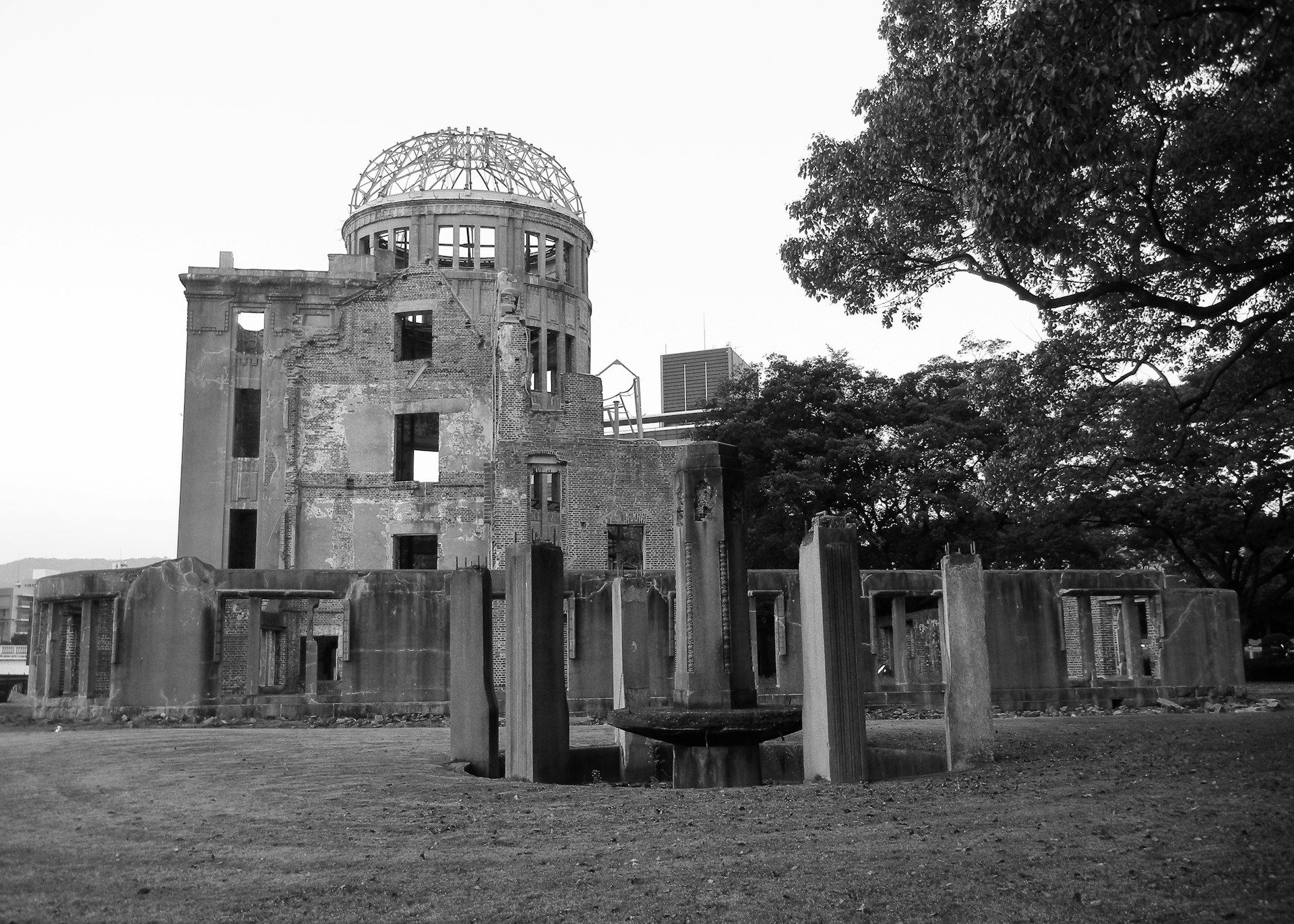

Photo by Griffin Quinn on Unsplash
Introduction: The Roots of Nuclear Weapons Development
The development of nuclear weapons is one of the most consequential technological advancements in human history. It emerged from a combination of theoretical physics, global conflict, and unprecedented collaboration among scientists and governments. Understanding this history provides crucial context for today’s debates about security, ethics, and international policy.
Early Discoveries and Theoretical Foundations
The pathway to nuclear weapons began with late 19th and early 20th-century discoveries in atomic physics. In 1895, Wilhelm Röntgen’s discovery of X-rays and, a year later, Henri Becquerel’s identification of uranium’s natural radioactivity set the stage for deeper investigations into atomic structure. Marie and Pierre Curie’s work with radioactive elements, and Ernest Rutherford’s model of the atom, highlighted the enormous potential energy within atomic nuclei. By 1905, Albert Einstein’s equation
E=mc²
quantified the relationship between mass and energy, hinting at the possibility of unlocking immense power from atomic reactions
[2]
.
The notion of a powerful new weapon was no longer just science fiction. As early as 1914, H.G. Wells’ novel
The World Set Free
imagined atomic bombs reshaping warfare, foreshadowing real-world developments to come
[2]
.
Scientific Breakthroughs: Discovery of Fission
The direct path to weaponizing atomic energy began in December 1938 when German chemists Otto Hahn and Fritz Strassmann discovered the process of nuclear fission in uranium. Their findings, interpreted by Lise Meitner and Otto Frisch, demonstrated that splitting an atomic nucleus could release vast amounts of energy [1] . This breakthrough quickly reached the global scientific community, many of whom recognized its military implications as tensions in Europe escalated.

Photo by Viktor Kirichenko on Unsplash
By 1939, physicists like Leo Szilard and Albert Einstein warned U.S. President Franklin D. Roosevelt of the potential for Nazi Germany to develop atomic weapons. This warning led to the establishment of preliminary research groups in both the United States and the United Kingdom [3] .
Mobilizing for War: The Manhattan Project
With the outbreak of World War II, governments accelerated efforts to harness nuclear fission for military use. The United States launched the Manhattan Project in 1942, a massive program that brought together top scientists, engineers, and military leaders. Key facilities were built at Oak Ridge, Tennessee (for uranium enrichment), Hanford, Washington (for plutonium production), and Los Alamos, New Mexico (for weapon design and assembly) [1] . The United Kingdom contributed its own research, codenamed Tube Alloys, which was eventually merged with the American initiative [3] .
At its peak, the Manhattan Project employed over 130,000 people across more than 30 sites in North America, making it one of the largest industrial efforts ever attempted [6] . The project’s classified nature and scale presented immense logistical, ethical, and technical challenges. Workers often had little knowledge of the project’s true purpose, while scientists faced the moral dilemma of unleashing a weapon of unprecedented destructive power.
The First Nuclear Weapons: Testing and Use
The world’s first nuclear device was detonated on July 16, 1945, at the Trinity test site in New Mexico. This test, code-named Trinity, confirmed the feasibility of the plutonium implosion bomb [4] . Less than a month later, the United States dropped atomic bombs on the Japanese cities of Hiroshima (August 6, 1945) and Nagasaki (August 9, 1945), leading to Japan’s surrender and the end of World War II. The devastation caused by these bombs, which killed hundreds of thousands and left long-term health and environmental impacts, exposed humanity to the realities of nuclear warfare [4] .
Practical steps to access first-hand historical documentation about these events include visiting the U.S. Department of Energy’s online archives and the Atomic Heritage Foundation, both of which provide declassified documents, photographs, and oral histories. To explore these resources, search for “U.S. Department of Energy nuclear history timeline” or “Atomic Heritage Foundation Manhattan Project”.
The Arms Race: Cold War Expansion and Proliferation
Following World War II, the United States’ initial monopoly on nuclear weapons was short-lived. The Soviet Union conducted its first successful atomic test on August 29, 1949, spurring a nuclear arms race between the two superpowers [1] . President Truman soon ordered the development of the hydrogen bomb, vastly increasing the destructive power of subsequent nuclear arsenals.
Other countries, including the United Kingdom, France, and China, developed their own nuclear weapons programs during the ensuing decades. The proliferation of nuclear technology created new security dilemmas and led to the establishment of international treaties aimed at controlling the spread of these weapons. To find current information about nuclear nonproliferation efforts, you can consult the official website of the United Nations Office for Disarmament Affairs or search for “Nuclear Non-Proliferation Treaty (NPT)” through reputable government or academic sources.
Challenges, Controversies, and Global Impact
The history of nuclear weapons development is marked by intense scientific ingenuity but also by grave ethical and geopolitical challenges. Nations have faced ongoing issues related to arms control, the risk of accidental launches, nuclear terrorism, and the environmental consequences of weapon production and testing.
For individuals seeking to learn more about the global impact of nuclear weapons or engage in disarmament advocacy, organizations such as the International Campaign to Abolish Nuclear Weapons (ICAN) offer educational resources and opportunities for involvement. For detailed policy analysis and the latest research, searching for “ICAN nuclear weapons history” or “Arms Control Association nuclear policy” can provide access to real-time updates and expert commentary.
Accessing Further Information and Resources
Comprehensive, verified information about nuclear weapons development can be accessed through:
- U.S. Department of Energy : Offers timelines, declassified documents, and educational resources. Search for “DOE nuclear history timeline”.
- Atomic Heritage Foundation : Provides in-depth historical narratives and archives. Search for “Atomic Heritage Foundation”.
- International Campaign to Abolish Nuclear Weapons (ICAN) : Features global nuclear policy news and educational materials. Visit ICAN’s official nuclear weapons history page .
- United Nations Office for Disarmament Affairs : For official information about international treaties and disarmament efforts, search for “UNODA nuclear weapons”.
When seeking primary sources or detailed technical data, always verify the authority and currency of the website or document. If you cannot find a direct link, consider contacting relevant academic institutions or using major library databases for access to archived materials.
Conclusion: Lessons and Ongoing Debates
The story of nuclear weapons development underscores the immense responsibilities that accompany scientific breakthroughs. Today, the legacy of these weapons continues to influence international relations, defense policy, and ethical discussions worldwide. Whether your interest lies in technical innovation, historical research, or global security, understanding the origins and evolution of nuclear weapons is essential for informed dialogue and responsible citizenship.
For the most recent developments, always consult established think tanks, government agencies, and international organizations. Use specific search terms such as “nuclear policy updates,” “arms control news,” or “nuclear weapons treaty developments” to find current, authoritative information.