
Colonial History and Its Enduring Modern Impacts
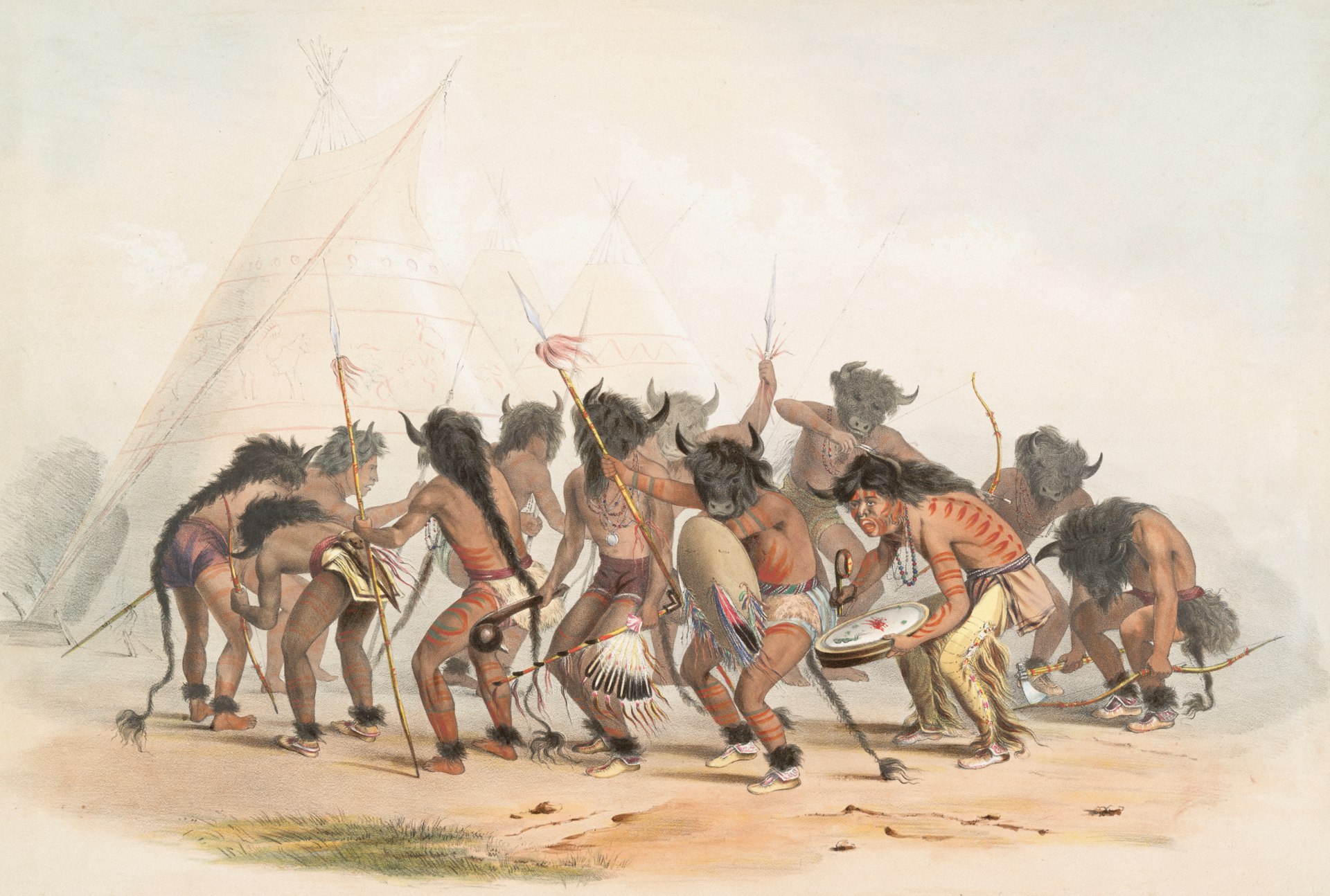

Photo by The New York Public Library on Unsplash
Understanding Colonial History
Colonial history refers to the period when European powers, such as Britain, France, Spain, and others, expanded their control over vast territories across Africa, Asia, the Americas, and Oceania from the 15th to the 20th centuries. This era involved the establishment of empires through military conquest, trade monopolies, and administrative control, often prioritizing the extraction of resources for the benefit of the colonizing nations. For instance, British colonialism spanned continents, creating markets designed to exploit colonized regions for raw materials while fostering debt and economic dependency. [1] Spanish colonialism, in particular, emphasized plunder and rent-seeking, leading to the creation of absolutist states with coercive powers and entrenched elites. [2] These systems disrupted pre-existing social structures, introduced new boundaries, and imposed foreign governance models that ignored indigenous configurations.
The mechanisms of colonialism varied by empire. British indirect rule often preserved local leaders but manipulated them for metropolitan gain, while French direct rule centralized authority and promoted national identities aligned with European values. [2] In settler colonies like those in North America and Australia, European populations displaced indigenous peoples, claiming 98.9% of historical indigenous lands in the United States alone. [4] This history laid the groundwork for modern global inequalities by positioning colonies in subordinate roles within the international division of labor.
Economic Legacies in the Modern World
One of the most profound modern impacts of colonial history is economic disparity. Colonies were structured to export raw materials and import finished goods, creating persistent trade imbalances. Today, many former colonies remain primary commodity exporters, vulnerable to global price fluctuations and hindering industrial development. British colonialism accelerated globalization but primarily benefited the colonizer, leaving former colonies in debt and with underdeveloped local industries. [1] Spanish colonies inherited institutions that fostered inequality, where elites captured state resources, limiting broad-based growth. [2]
Real-world examples abound. In sub-Saharan Africa, colonial cash crop economies persist, contributing to poverty cycles. Post-colonial governments often retained these structures, exacerbating uneven resource distribution. To address this, nations can pursue economic diversification through policy reforms. Steps include investing in education for skill development, promoting local manufacturing via incentives, and negotiating fairer trade agreements. Challenges like corruption-often rooted in colonial-era elite entrenchment-can be mitigated by strengthening transparent institutions and civil society oversight. Alternative approaches involve regional integration, such as African Union initiatives, to build collective bargaining power.
In settler economies like Canada and Australia, colonial foundations enabled prosperity for descendants of settlers but at the cost of indigenous dispossession. These countries now grapple with reconciliation efforts, including land back movements and resource revenue sharing, demonstrating pathways to rectify economic harms.
Political and Institutional Impacts
Colonialism reshaped political landscapes, drawing arbitrary borders that lumped diverse ethnic groups together or split cohesive ones, fueling contemporary conflicts. In Africa and the Middle East, post-colonial states inherited boundaries from colonial powers like Britain and France, disregarding cultural realities and sowing seeds for civil violence. [5] Studies show ex-colonies, particularly under Spanish and other European rules, experience higher civil violence due to entrenched predatory institutions. [2]

Photo by The New York Public Library on Unsplash
French direct rule marginalized provincial groups, enabling urban elites to dominate post-independence states, while British systems sometimes fostered ethnic rivalries through divide-and-rule tactics. Today, this manifests in ongoing insurgencies in places like Kashmir, Western Sahara, and parts of the Balkans-regions with colonial imprints. [3] To navigate these legacies, governments can implement inclusive governance. Practical steps: conduct constitutional reviews to devolve power, establish truth and reconciliation commissions, and promote federalism that respects ethnic diversity. Challenges include resistance from entrenched elites; solutions involve international mediation and civic education campaigns. Alternatives like consociational democracy, as in some post-conflict states, offer models for power-sharing.
Social and Cultural Reverberations
Socially, colonialism introduced diseases, slavery, and cultural erasure that echo today. In North America, European arrival decimated indigenous populations through epidemics, fundamentally altering demographics. [6] Human rights abuses, from apartheid in South Africa to forced labor, created hierarchies that persist in unequal citizenship and labor conditions. [5] Modern impacts include prisons modeled on colonial control systems, biased education curricula, and cultural tourism that commodifies histories.
Cultural legacies affect migration and identity. Britain and settler nations like the US remain resistant to diversity despite their imperial pasts. [1] Indigenous groups in Chiapas, Mexico, or West Papua continue fighting for land rights denied under colonial and post-colonial regimes. [5] Addressing this requires cultural revitalization. Steps: support bilingual education, fund indigenous-led heritage projects, and reform laws for land restitution. Potential hurdles like funding shortages can be overcome via public-private partnerships. Alternatives include community museums and digital archives to preserve narratives.
Global Conflicts and Health Disparities
Colonial legacies contribute to protracted conflicts worldwide. Intractable disputes in Africa, Southeast Asia, and South America stem from colonial boundaries and favoritism toward certain groups. [5] Civil violence risks remain elevated in ex-colonies due to poor governance and inequality. [2] Health impacts persist too, with colonial resource extraction leaving weak infrastructures vulnerable to diseases.
For conflict resolution, engage in dialogue processes: identify stakeholders, map historical grievances, and broker peace accords with monitoring. Examples include Rwanda’s post-genocide reconciliation. Health strategies: bolster public systems through international aid, prioritizing vaccination drives. Challenges like brain drain can be countered with incentive programs for returning professionals.
Pathways Forward: Mitigating Colonial Legacies
Moving beyond colonial impacts demands global awareness and action. Reparations discussions, decolonizing curricula, and equitable trade reforms are key. Individuals can educate themselves via academic resources, advocate for policy changes, and support ethical consumerism. Governments should audit institutions for colonial biases and invest in equitable development. While some argue colonialism laid foundations for prosperity in places like Singapore, the predominant evidence points to net negative effects requiring active redress. [2]
By understanding these connections, societies can foster inclusive futures. Recent trends show progress, such as land returns in New Zealand, offering hope.
References
- University of Manchester (2021). The Impact of the Past: How British Colonialism Affects the Modern World.
- Social Forces Journal (2025). Colonial legacy and contemporary civil violence: a global study.
- The Correspondent. The past is still present: why colonialism deserves better coverage.
- Cambridge University Press. Reverberations of Empire: How the Colonial Past Shapes the Present.
- Beyond Intractability. Effects of Colonization.
- University of Hawaii Pressbooks. The Impact of Colonization.