
Ancient Astronomy: Foundations of the Celestial Sciences
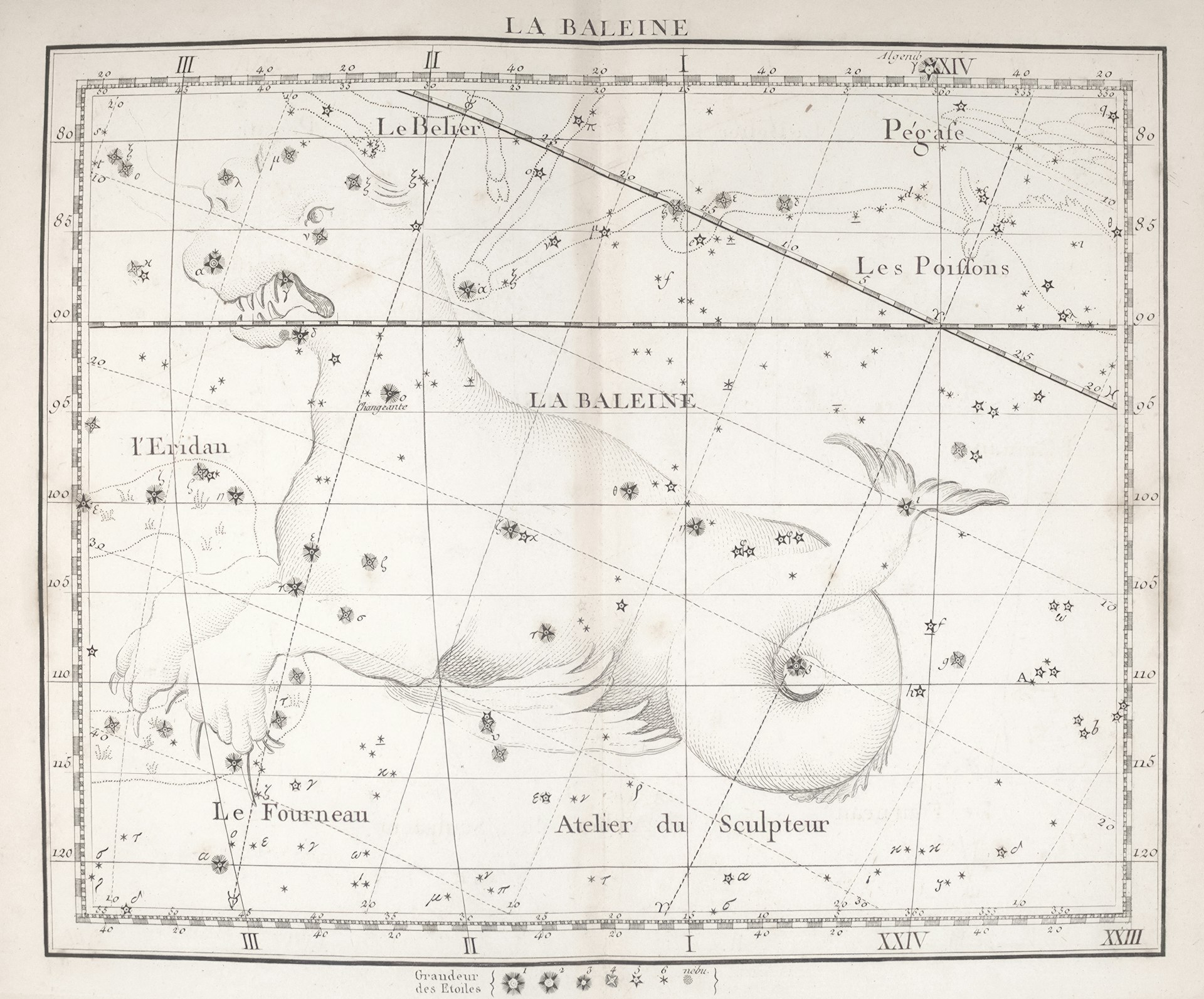

Photo by The New York Public Library on Unsplash
Introduction to Ancient Astronomy
Ancient astronomy represents the earliest systematic attempts to understand the cosmos. Long before modern telescopes, early civilizations carefully watched the skies, recording celestial events and developing models to explain the movements of the Sun, Moon, planets, and stars. These early efforts laid the groundwork for scientific inquiry and shaped humanity’s understanding of the universe for millennia. Today, many of their methods, tools, and ideas remain relevant, offering insight into the origins of modern astronomy.
Mesopotamia: The Dawn of Astronomical Observation
The story of ancient astronomy begins in Mesopotamia, often called the cradle of civilization. Between 2000 and 1000 BCE, Assyro-Babylonians created some of the oldest known sky maps and kept systematic records of celestial movements [4] . By the 16th century BCE, Babylonian astronomers recognized the distinction between planets (“wandering stars”) and fixed stars, and by 750 BCE, they had developed the first known almanacs -tables predicting the movements of the Sun, Moon, and planets [2] . These records enabled the prediction of eclipses and the development of the zodiac system, dividing the heavens into twelve segments for tracking celestial bodies [3] .
To access more on Mesopotamian astronomy, you can consult university libraries or search for academic articles using terms like “Babylonian astronomy” or “cuneiform star catalogs.” Museums with ancient Near Eastern collections, such as the British Museum, may also offer digital resources and exhibitions on this topic.
Egypt and Early Calendars
The ancient Egyptians also made significant contributions, particularly in the development of calendars. By observing the annual appearance of Sirius (the “Dog Star”) just before sunrise, Egyptians were able to predict the flooding of the Nile-a crucial event for agriculture. Their calendar divided the year into 12 months of 30 days, with five extra days, closely approximating the solar year. While direct links to modern resources may be limited, you can find detailed information in reputable encyclopedias and museum archives.
Chinese and Indian Astronomy: Parallel Traditions
In China, astronomers documented sunspots, comets, and supernovae. Shi Shen, a 4th-century BCE astronomer, cataloged hundreds of stars and observed sunspots [3] . In India, astronomers calculated the length of the sidereal year and developed sophisticated mathematical models for planetary motion as early as 400 BCE [2] . These traditions contributed to a global heritage of sky-watching and calculation, with some methods later influencing Islamic and European astronomers.

Photo by The New York Public Library on Unsplash
If you wish to find more about these traditions, consider searching for museum exhibits, university courses, or published research with keywords like “ancient Chinese astronomy” or “Vedic astronomy.” Your local or university library will likely have relevant materials.
The Greek Scientific Revolution
The Greeks transformed astronomy from a practical, religiously motivated activity into a theoretical science. Figures such as Thales of Miletus predicted solar eclipses around 585 BCE [1] . Pythagoras argued that Earth was spherical, and Anaxagoras explained eclipses and the reflection of sunlight from the Moon [2] . Plato’s Academy promoted the idea that the Sun, Moon, and planets moved in perfect circles around a stationary Earth [3] .
While many Greek astronomers supported the geocentric (Earth-centered) model, a few, like Aristarchus of Samos, proposed a heliocentric (Sun-centered) system as early as the 3rd century BCE. Aristarchus attempted to estimate the distances to the Sun and Moon using geometry, though his values were not accurate by modern standards [4] . His ideas were largely dismissed until the Renaissance.
If you want to explore Greek astronomy further, consider searching for terms like “Antikythera Mechanism” or “Ptolemy Almagest” in academic databases or museum websites. Museums such as the National Archaeological Museum in Athens often feature exhibits on these topics.
Instruments and Innovations: The Antikythera Mechanism
One of the most remarkable ancient astronomical devices is the Antikythera Mechanism , constructed in Greece around 150 BCE. This mechanical computer predicted planetary positions and eclipses, demonstrating a high level of technical sophistication [1] . The mechanism’s discovery underscores the advanced engineering skills of ancient astronomers. To learn more about the Antikythera Mechanism, you can find detailed research and digital reconstructions through museum websites and reputable science organizations. Search for “Antikythera Mechanism research” or related terms for the latest findings.
Legacy and Influence on Modern Astronomy
The legacy of ancient astronomy is profound. Greek astronomer Ptolemy’s
Almagest
(circa 150 CE) cataloged over a thousand stars and set the standard for astronomical calculations for nearly 1,500 years
[2]
. The geocentric model dominated scientific thought until Copernicus revived heliocentrism in the 16th century.
Ancient methods, such as dividing the circle into 360 degrees and using the zodiac for positional reference, remain standard in astronomy today. The records left by Babylonian, Chinese, and Greek astronomers continue to inform modern research, especially in the study of celestial events like eclipses and comets [3] .
Accessing More Resources
If you are interested in learning more about the history of ancient astronomy, you can:
- Visit the websites of major museums with ancient history or science collections, such as the British Museum or the Smithsonian National Air and Space Museum.
- Search for university courses or open-access lectures on ancient astronomy using keywords like “history of astronomy,” “Babylonian astronomy,” or “Greek astronomy.” Universities often provide syllabi and reading lists online.
- Explore academic databases (e.g., JSTOR, Google Scholar) for peer-reviewed articles and historical analyses on early astronomical traditions.
- Look for reputable science outreach organizations, such as NASA or the European Space Agency, which sometimes feature articles and videos about the history of astronomy.
As direct links to specific resources may change or be restricted, these strategies offer the most reliable pathways for continued research.
Summary and Key Takeaways
Ancient astronomy was a global endeavor, driven by practical needs, curiosity, and the desire to understand our place in the universe. From Mesopotamian star charts to the engineering marvel of the Antikythera Mechanism, early astronomers laid the intellectual foundation for centuries of discovery. Their achievements remind us that scientific progress is a cumulative process, built on the careful observations and bold ideas of those who came before. By studying their work, we gain not only historical perspective but also inspiration for future exploration.