Unveiling the Legacy: Understanding the Transatlantic Slave Trade and Its Enduring Impact
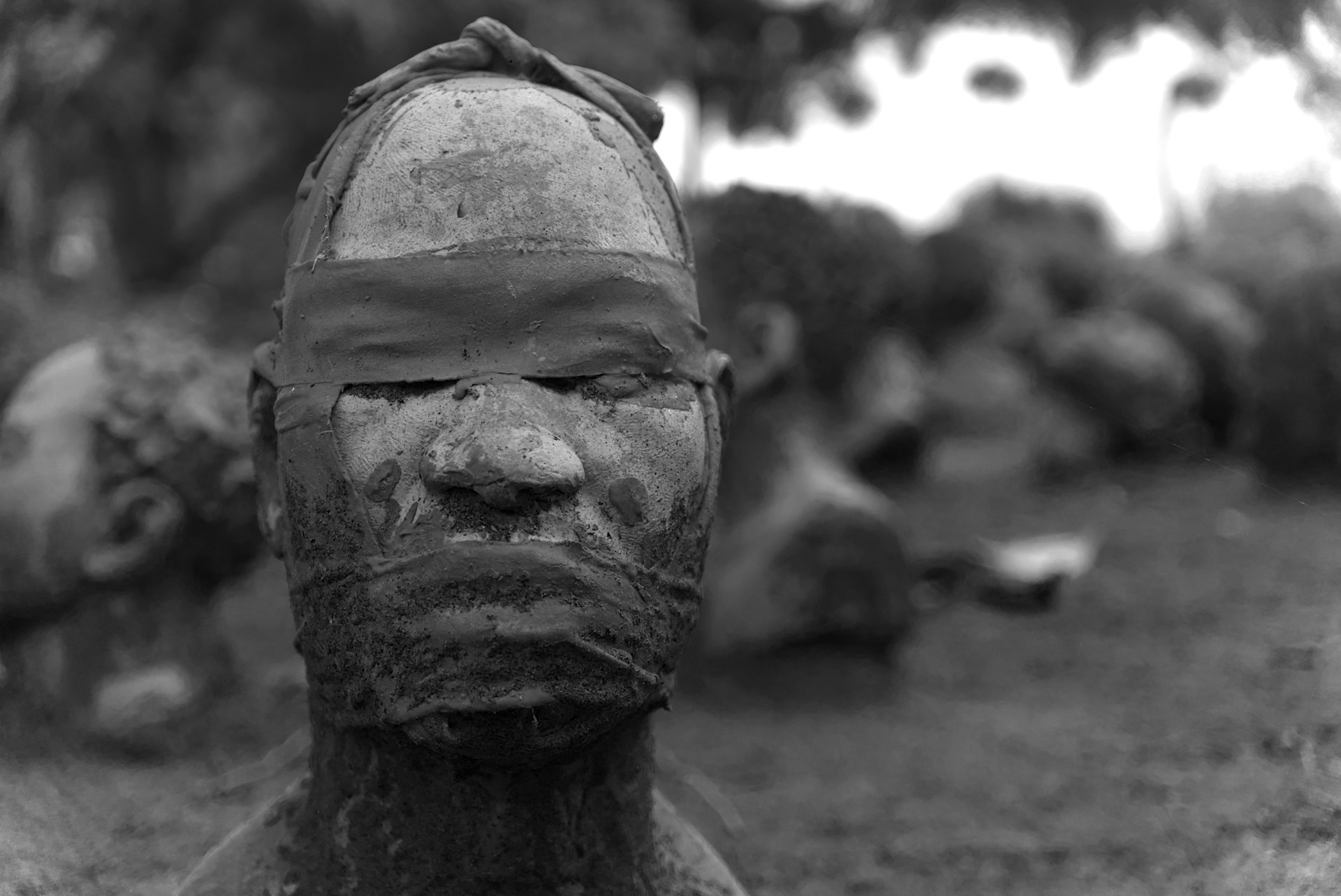

Photo by Kofi Nartey on Unsplash
Introduction: The Scope and Enduring Impact of the Transatlantic Slave Trade
The transatlantic slave trade stands as one of the largest forced migrations in human history, dramatically shaping societies on both sides of the Atlantic. Over four centuries, millions of Africans were captured, transported, and enslaved in the Americas. Understanding its history is essential not only for tracing the roots of modern social and economic dynamics but also for addressing its legacy today.
Origins and Early Development
The European involvement in the African slave trade began in the 15th century, primarily by the Portuguese, who established trading posts along the West African coast. Initially, enslaved Africans were sent to European colonies on Atlantic islands, such as Madeira and São Tomé, before the trade expanded to the Americas following the Spanish and Portuguese colonization in the late 15th and early 16th centuries. By 1500, the demand for labor in the New World’s plantations led to a rapid expansion of slave shipments from Africa, replacing dwindling indigenous populations lost to disease and brutal labor conditions [1] .
The Triangular Trade and Its Mechanics
The transatlantic slave trade is often characterized by the “triangular trade” network, which connected Europe, Africa, and the Americas. European ships carried goods such as textiles, rum, and firearms to West Africa, where these goods were exchanged for enslaved Africans. The captives endured the horrific Middle Passage, packed tightly into ship holds with little food, water, or ventilation, leading to mortality rates that often exceeded 12% [3] . Upon arrival in the Americas, survivors were sold and forced to work on plantations producing sugar, tobacco, and cotton, which were then shipped back to Europe [2] .
Volume and Demographics of the Trade
Between the 16th and 19th centuries, it is estimated that between 12 and 12.8 million Africans were shipped across the Atlantic, with as many as 10.7 million surviving the journey to the Americas [3] . The majority came from West and Central Africa, captured in local wars or raids, and sold to European traders at coastal forts. While European involvement in direct capture was limited due to disease risk, most captives were purchased from African intermediaries [2] . Over 90% of enslaved Africans were sent to the Caribbean and South America, with only about 6% arriving directly in what became the United States [3] .
First Arrivals and Expansion in North America
The first recorded Africans in English America arrived in Virginia in 1619, marking the beginning of a system that would grow rapidly over the next two centuries. By the 1700s, the trade reached its peak, with as many as 78,000 Africans transported to the Americas annually during the 1780s. British, Portuguese, and French traders dominated these routes, with British ships alone responsible for about half of all transports during this period [1] .
Human Cost and Experiences
The Middle Passage was notorious for its brutality. Enslaved men, women, and children were stripped, shackled, and confined to cramped, unsanitary holds. Starvation, disease, and abuse were rampant. It is estimated that between 1.2 and 2.4 million captives died during the crossing, with millions more perishing during forced marches to the coast or in “seasoning camps” in the Americas [2] .
Personal narratives, such as Olaudah Equiano’s 1789 autobiography, brought the horrors of this journey to wider public attention and contributed to the growing abolitionist movement [1] .
Abolition and the Legal End of the Trade
Efforts to end the slave trade gathered momentum in the late 18th and early 19th centuries. Great Britain formally abolished the slave trade in 1807, followed by the United States in 1808. Spain signed a treaty with Britain in 1817 to abolish its trade, but illegal trafficking persisted for decades. While the trade was largely suppressed by the mid-19th century, evidence of clandestine voyages continued into the 1870s [2] .
Legacy and Continuing Relevance
The transatlantic slave trade left a profound and lasting impact. It reshaped demographics, economies, and cultures across the Atlantic world. The forced migration of millions created enduring diasporas and contributed to persistent social and economic inequalities. Today, many organizations, governments, and educational institutions are working to address this legacy through public education, memorials, and reparative initiatives. Several national governments have issued formal apologies in the 21st century [2] .
Accessing Primary Sources and Further Educational Opportunities
To access primary sources, historical documents, and further educational resources on the transatlantic slave trade, you can:

Photo by Kofi Nartey on Unsplash
- Visit major museum websites such as the National Museum of African American History and Culture (Smithsonian Institution), which offers digital collections, curated exhibits, and educational materials.
- Search for digitized archives and scholarly databases. The UNESCO Slave Route Project and the Trans-Atlantic Slave Trade Database are reputable resources for original records and data. For the database, search for “Slave Voyages Database” in your preferred search engine for direct access.
- Consult academic institutions and public libraries. Many universities, such as Harvard and Yale, provide online collections relating to slavery and abolition.
- Engage with local historical societies or cultural organizations, which may offer lectures, guided tours, and community events focused on the legacy of the slave trade.
When seeking official records or educational support, contact your local library or educational institution and request information on accessing digital archives, primary documents, or recommended reading lists. To find verified information, use search terms like “transatlantic slave trade historical documents,” “Middle Passage primary sources,” or “slave trade abolition acts.”
Step-by-Step Guidance for Further Research
- Identify your research focus: Are you interested in personal narratives, economic impact, abolition movements, or the legacy in specific regions?
- Use verified institutional websites, such as the Smithsonian, National Archives, or university libraries, to access digital collections and curated exhibits.
- For classroom use, consult teacher resources and educational toolkits available from established museums and organizations. Many offer downloadable guides and lesson plans.
- If seeking genealogical records, begin with official archives and historical societies. Many provide searchable databases of slave ship manifests and plantation records.
- Engage with community or university events, webinars, or lectures to deepen your understanding and connect with specialists in the field.
For more comprehensive research, consult recent publications and academic journals. Many universities host open-access repositories of peer-reviewed articles and dissertations on the transatlantic slave trade and its aftermath.
Challenges and Considerations
Researching the transatlantic slave trade can be challenging due to the dispersal and destruction of records, differing historical interpretations, and the emotional weight of the subject. Consider approaching your research with sensitivity and an awareness of the ongoing effects of this history on descendant communities. When uncertain about the authenticity of online resources, prioritize institutional and official government sources.
Key Takeaways
The transatlantic slave trade was a complex and devastating global enterprise, with far-reaching consequences that continue to shape societies today. By exploring verified resources and engaging with educational institutions, individuals can gain a deeper understanding of this history and its enduring legacies. Comprehensive guidance and support are available through museums, archives, and academic organizations for those seeking to learn more or contribute to ongoing scholarship and remembrance.