History of Global Exploration Voyages: A Comprehensive Timeline
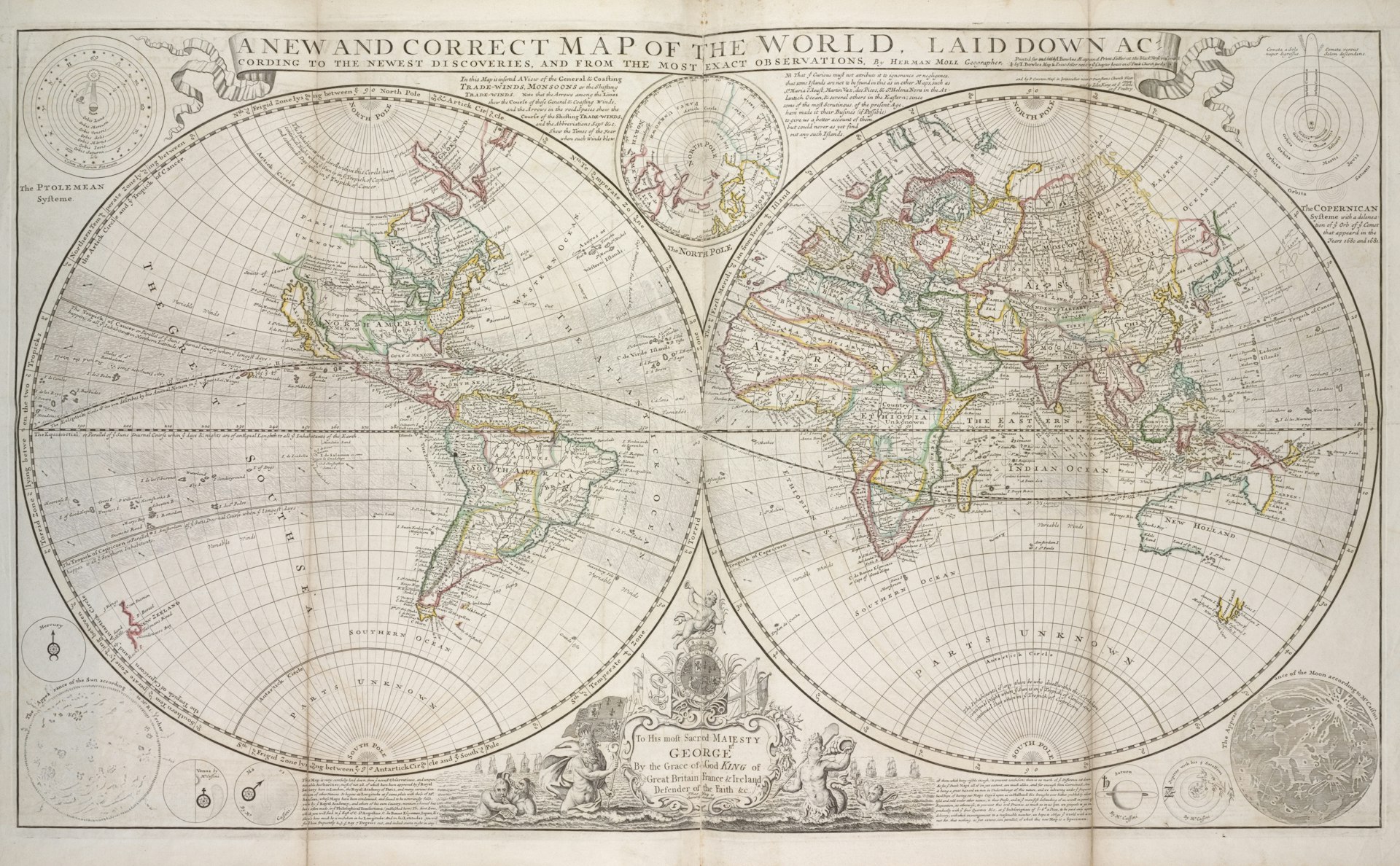

Photo by The New York Public Library on Unsplash
Introduction to the Age of Exploration
The history of global exploration voyages spans centuries, marking humanity’s drive to map the unknown and connect distant lands. Beginning in the early 15th century, this era-often called the Age of Discovery-saw European powers launch ambitious sea expeditions driven by the pursuit of trade routes, spices, gold, and religious expansion. Technological advances like the caravel ship, astrolabe, and compass enabled sailors to venture beyond sight of land. [1] These voyages not only redrew world maps but also initiated global trade networks, cultural exchanges, and colonization. From Norse seafarers in the 10th century to 18th-century Pacific expeditions, explorers pushed boundaries, facing storms, scurvy, and hostile encounters. This article traces the major milestones, highlighting pivotal figures and their achievements.
Early Foundations: Pre-15th Century Voyages
Global exploration predates the famous European Age of Discovery. In 120 AD, Ptolemy created the first known flat world map, influencing later cartographers. [2] Viking explorations laid crucial groundwork: in 870, Swedish Viking Garðar Svavarsson circumnavigated Iceland, and Náttfari became its first permanent resident. Ingólfur Arnarson founded ReykjavÃk in 874. Erik the Red discovered Greenland in 982, followed by Leif Erikson reaching North America around 1002-centuries before Columbus. [2] Marco Polo’s 1271 journey to China via land routes sparked European fascination with Asia, though sea voyages were limited by technology. These early efforts demonstrated human capacity for long-distance travel, setting the stage for systematic exploration.
Challenges included harsh weather and rudimentary navigation, but Vikings used sunstones for cloudy days and oral maps passed through generations. Modern archaeology confirms their North American outpost at L’Anse aux Meadows, proving transatlantic crossings were feasible early on.
The Dawn of the Age: Portugal’s Pioneering Role (1418-1488)
Portugal ignited the Age of Exploration under Prince Henry the Navigator, who established a sailing school in 1450. In 1418, João Gonçalves Zarco and Tristão Vaz Teixeira discovered Porto Santo, followed by Madeira in 1419 and the Azores in 1427. [2] Gil Eanes rounded Cape Bojador in 1434, breaking a psychological barrier of treacherous currents. Nuno Tristão passed Cape Blanco in 1443, Dinis Dias reached the Senegal River in 1444, and by 1446, Portuguese ships hit Cape Verde and Gambia. Pêro de Sintra reached Sierra Leone in 1460, Fernão do Pó found Bioko in 1472, and Lopo Gonçalves crossed the equator in 1473. [2]
The 1453 fall of Constantinople to the Turks severed overland spice routes, compelling sea alternatives. Diogo Cão explored the Congo River in 1482 and Cape Cross in 1485. Bartholomeu Dias rounded Africa’s southern tip-the Cape of Good Hope-in 1488, proving an India sea route was viable, though his crew mutinied against further sailing. [3] Portugal’s methodical progress, funded by royal patronage, amassed African gold and slaves, fueling further ventures. Explorers faced starvation and disease, but innovations like lateen sails improved maneuverability.
Columbus and the New World (1492-1500s)
Christopher Columbus’s 1492 voyage, sponsored by Spain, marked a turning point. Seeking Asia westward, he reached the Bahamas, Cuba, and Hispaniola, mistaking them for the Indies. [2] His four voyages opened the Americas to Europe. John Cabot, for England, discovered Newfoundland in 1497 while hunting the Northwest Passage. [4] Vasco da Gama reached India in 1497-98, establishing the sea route Portugal sought and returning with spices-a commercial triumph. [2]
Amerigo Vespucci’s 1502 explorations confirmed the lands were a new continent, inspiring cartographer Martin Waldseemüller to name them “America.” [2] Vasco Núñez de Balboa sighted the Pacific from Panama in 1513. [5] The 1494 Treaty of Tordesillas divided the world between Spain and Portugal, shaping colonial rivalries. Columbus’s crews endured 70-day crossings, but his logs provided invaluable data on winds and currents.
Circumnavigations and Pacific Ventures (1519-1600s)
Ferdinand Magellan’s 1519-1522 expedition, for Spain, achieved the first circumnavigation. Sailing west to the Maluku Islands via the Strait of Magellan, only one ship returned under Juan Sebastián Elcano after Magellan’s death. [4] [3] Sir Francis Drake circumnavigated for England (1577-1580), plundering Spanish ships. [4] Henry Hudson explored the Hudson River in 1609 and Hudson Bay earlier. [5]
Willem Janszoon sighted Australia in 1606 for the Dutch. [4] These voyages mapped vast oceans, but crews suffered 90% mortality from scurvy. Strategies like sauerkraut rations later mitigated this. Conquistadors like Hernán Cortés (1519 Aztec conquest) and Francisco Pizarro (1531 Inca) followed, blending exploration with empire-building.
Northern and Later Expeditions (1600s-1700s)
Samuel de Champlain settled Canada in 1603, Jacques Cartier explored the St. Lawrence in 1544. [5] James Cook’s 1768-1779 voyages mapped Australia, Hawaii, and disproved a southern continent in 1773-75. [10] Ivan Lyakhov reached Kotelny Island in 1773. [4] By the 18th century, focus shifted to Oceania and Alaska.

Photo by Museum of New Zealand Te Papa Tongarewa on Unsplash
Explorers adapted with chronometers for longitude. Challenges included indigenous resistance and isolation; solutions involved alliances and supply depots. These voyages fostered the Columbian Exchange-transferring crops, animals, and diseases-profoundly altering demographics.
Legacy and Modern Reflections
Global exploration voyages transformed economies, sparking capitalism and slavery but also scientific progress. Today, they inspire space exploration analogies. Understanding this history reveals interconnected world origins, urging ethical reflections on colonialism.
References
[1] Wikipedia: Age of Discovery (2023). Overview of the exploration period. [2] Exploration Museum: Timeline of Exploration. Detailed chronological events from ancient to modern. [3] Wondershare EdrawMind: Age of Exploration Timeline (2023). Key voyages with explanations. [4] Wikipedia: Timeline of European Exploration. Comprehensive 15th-19th century list. [5] History Central: Timeline of the Age of Exploration. Explorer achievements by region. [10] Study.com: Global Exploration History (2023). Facts on major figures like Drake and Cook.