The History of Witch Trials and Mass Hysteria: Lessons from Salem and Beyond

Photo by Humble Lamb on Unsplash
Introduction to Witch Trials and Mass Hysteria
The history of witch trials reveals profound examples of mass hysteria, where collective fear overrides reason, leading to widespread accusations and tragic outcomes. The most notorious case occurred during the Salem witch trials in colonial Massachusetts from February 1692 to May 1693, where over 200 people were accused of witchcraft, 30 were found guilty, and 19 were executed by hanging. [1] One man, Giles Corey, died under torture, and at least five others perished in jail. [1] This episode exemplifies how social tensions, religious fervor, and psychological phenomena can ignite mass hysteria, a pattern seen in earlier European witch hunts and later events. Understanding these trials provides critical insights into human vulnerability to panic and the importance of evidence-based justice.
Mass hysteria, often characterized by rapid spread of unfounded beliefs causing physical or behavioral symptoms in groups, played a central role. In Salem, young girls’ bizarre fits-screaming, contortions, and throwing objects-were attributed to witchcraft, sparking accusations. [1] Puritan ideology amplified fears of the devil, while transatlantic witchcraft panics influenced New England. [2] This article examines the timeline, causes, key figures, and aftermath, drawing from verified historical records to illustrate how such hysteria unfolds and resolves.
Early Witch Hunts in New England: Precursors to Salem
Before Salem, witch trials occurred sporadically in New England from 1648 to 1663, with about 80 accusations during a major hunt. [3] These set the stage for 1692’s explosion. Isolated cases involved spectral evidence-claims of seeing spirits-and community suspicions, often targeting marginalized individuals like the poor or quarrelsome. By the late 17th century, Puritan settlers, facing hardships like harsh winters and Indian wars, were primed for supernatural explanations. Reverend Samuel Parris’s household in Salem Village became ground zero when his daughter Betty (age 9) and niece Abigail Williams (age 11) exhibited fits in January 1692, described as beyond natural disease. [1] Pressured, they named Tituba (Parris’s slave), Sarah Good (a beggar), and Sarah Osborne (in a property dispute). [3]

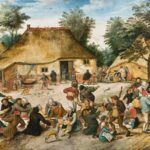
Photo by The Walters Art Museum on Unsplash
This early phase demonstrates mass hysteria’s contagion: symptoms spread to other girls like Ann Putnam Jr. and Elizabeth Hubbard, fueling accusations. [3] Historians note ergot poisoning from contaminated rye as a possible trigger for hallucinations, though social stress was key. [2] Challenges included lack of medical knowledge; solutions emerged later through skepticism. Alternatives like natural illness explanations were dismissed initially but gained traction.
Detailed Timeline of the Salem Witch Trials
The trials escalated rapidly. On February 29, 1692, warrants issued for Tituba, Good, and Osborne; Tituba confessed under duress, claiming a witch coven, igniting hysteria. [4] March 1 examinations by Judges Hathorne and Corwin drew crowds. [4] By April, over 50 petitioned against spectral evidence for John and Elizabeth Proctor. [3] June 10 marked the first hanging: Bridget Bishop at Proctor’s Ledge. [4]
Trials peaked in late June-July: Susannah Martin, Rebecca Nurse (initially acquitted but reversed), Sarah Good, Elizabeth Howe, and Sarah Wildes condemned June 29-30. [4] August saw George Burroughs, Jacobs Sr., Martha Carrier, and Proctors tried. [4] Andover’s touch test in September forced accused to touch ‘afflicted’ girls, stopping fits as ‘proof’. [3] Hysteria waned by October; Thomas Brattle’s letter criticized spectral evidence, prompting Governor Phips to halt arrests October 29. [3] By May 1693, trials ended, prisoners freed. [5]
This chronology shows hysteria’s arc: outbreak, peak accusations (200 imprisoned), and decline via rational intervention. [5] Key takeaway: leadership can curb panic.
Causes and Mechanisms of Mass Hysteria
Several factors fueled Salem’s hysteria. Religious zeal under Puritans viewed misfortune as divine punishment; spectral evidence-seeing victims’ spirits-dominated, inadmissible later. [5] Social rifts, like Proctor family disputes, targeted rivals. [3] Girls’ symptoms mimicked hysteria: contagious, stress-induced. [1] Confessions under torture spread fear. Modern psychology links this to moral panic, where groups project anxieties onto scapegoats.
Examples include Tituba’s vivid tales of devil pacts, captivating audiences. [4] Challenges: biased courts denied counsel. [5] Solutions: Phips’s 1693 orders, Queen Mary’s letter. [4] Alternatives: scientific inquiry, as in 1693 Superior Court banning spectral evidence. [4] To study today, examine primary sources like trial records for patterns.
Key Victims, Accusers, and Aftermath
Victims spanned ages and statuses: Rebecca Nurse (elderly churchgoer), John Proctor (tavern owner). 20 executed, 200 jailed. [2] Accusers: Parris girls, Ann Putnam. Post-trials, remorse grew. 1696: Parris dismissed; fast day proclaimed. [4] 1711: reversals began; 1957 full exoneration. [6]
Elizabeth Proctor petitioned in 1696. [4] Hysteria’s end highlights doubt’s power. Modern parallels: McCarthyism. [5]
Modern Perspectives and Lessons
Today, Salem symbolizes hysteria’s dangers. Museums preserve sites; studies explore psychology. [7] Lessons: demand evidence, question accusations. In crises, verify before acting. Research via libraries or historical societies reveals deeper insights.
References
[1] Wikipedia: Salem witch trials. Overview of events and casualties. [2] Medieval Torture Museum: Salem Witch Trials Facts. Puritan context and timeline. [3] Legends of America: Salem Witch Trials Timeline. Detailed early events. [4] History of Massachusetts: Timeline. Month-by-month chronology. [5] Chicago Public Library: From Salem to McCarthy. Trial procedures and end. [6] Salem Witch Museum: Chronology. Post-trial developments. [7] Peabody Essex Museum: Salem Witch Trials of 1692. Modern historical view.