History of Indigenous Resistance: Key Movements and Victories
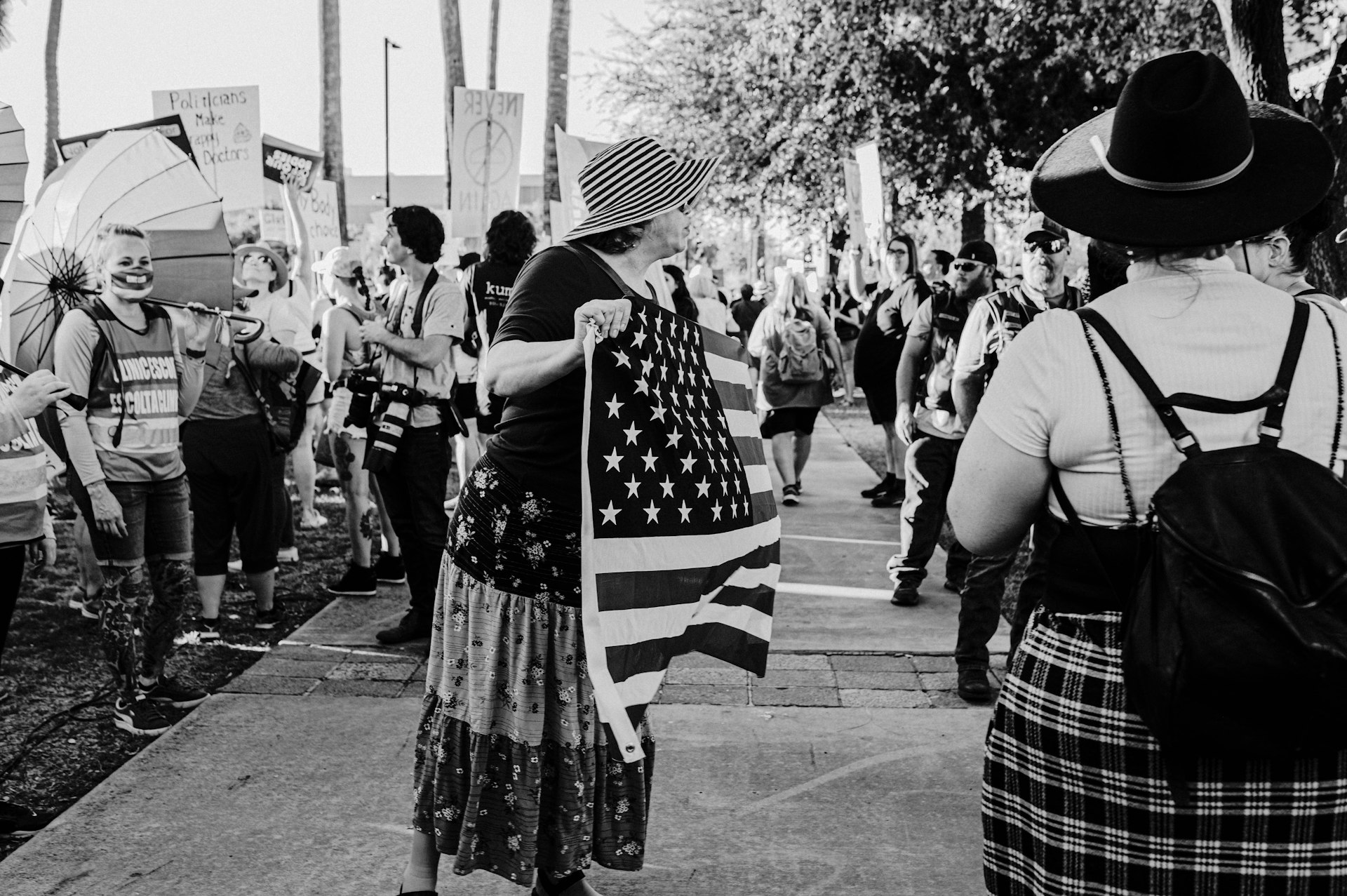

Photo by Lauren Mitchell on Unsplash
Introduction to Indigenous Resistance
Indigenous resistance encompasses a vast array of efforts by native peoples worldwide to counter colonialism, protect lands, and preserve cultures. This history spans centuries, marked by both armed uprisings and nonviolent protests. From early battles against European invaders to contemporary environmental campaigns, these movements highlight resilience amid systemic oppression. [1] Key examples include successful defenses like the Pueblo Revolt of 1680 and modern occupations such as Alcatraz in 1969, demonstrating strategic adaptation over time.
Resistance often responded to land theft, forced relocation, and cultural erasure. In the Americas, events like the Doctrine of Discovery in 1452 justified European claims, sparking immediate pushback. [2] Understanding this timeline reveals patterns of solidarity, innovation in tactics, and lasting impacts on sovereignty.
Early Colonial Resistance (15th-18th Centuries)
European colonization triggered immediate indigenous responses. Christopher Columbus’s 1492 arrival initiated widespread displacement, but native groups fought back fiercely. The Tiguex War (1540-1541) saw Pueblo peoples resist Spanish explorer Coronado’s forces during a harsh winter, marking one of the first documented conflicts. [2]
A landmark victory came with the Pueblo Revolt of 1680. Coordinated by Pueblo leaders, including Popé, indigenous communities expelled Spanish colonizers from present-day New Mexico after decades of enslavement, forced labor, and religious suppression. This 12-year success forced Spain to negotiate better terms upon recolonization in 1692, preserving Pueblo lands and customs temporarily. [2] [1] The revolt involved destroying Spanish missions and united diverse Pueblos, showcasing effective alliance-building.
Other notable actions included the Battle of Curalaba (1598) in Chile, where Mapuche warriors ambushed Spanish troops, halting expansion for years, and La Noche Triste (1520) in Mexico, where Aztecs drove Hernán Cortés from Tenochtitlán. These battles often leveraged terrain knowledge and guerrilla tactics. Challenges included superior firearms, but indigenous strategies like hit-and-run raids proved devastating. Alternatives involved diplomacy, as seen in temporary truces, though betrayal was common.
To study these events further, researchers can examine primary sources from tribal archives or visit cultural centers dedicated to pre-colonial histories. Key takeaway: Early resistance set precedents for unified defense against invaders.
19th Century Uprisings and Forced Removals
The 1800s saw intensified U.S. expansion via policies like the Indian Removal Act. The Long Walk (1863-1866) forced Navajo relocation over 300 miles, killing thousands, yet sparked enduring memory of survival. [2] Resistance peaked at battles like Little Bighorn (1876), where Lakota, Cheyenne, and Arapaho forces under Sitting Bull defeated General Custer, delaying Black Hills seizure despite the 1868 Fort Laramie Treaty. [1]
Policies such as the Dawes Act (1887) allotted lands, fragmenting reservations, prompting legal counters like the Pueblo Land Claims Act (1924). The Bursum Bill (1921) threatened Pueblo titles, but unified opposition from tribal leaders defeated it in 1922. [2] Ponca Trail of Tears (1877) exemplified forced marches, with deaths like White Buffalo Girl fueling later activism.
Practical steps for learning: Contact tribal historic preservation offices or review digitized treaties. Challenges included outnumbered forces; solutions involved media appeals. Alternatives: Petitions to Congress, as with Blue Lake’s return in 1970 to Taos Pueblo.
20th Century Activism: AIM and Key Occupations
The American Indian Movement (AIM), founded 1968, revitalized resistance. The 1969 Alcatraz occupation lasted 19 months, with 90 Native Americans claiming the island under federal surplus land laws, drawing global attention to broken treaties. Their proclamation cleverly mirrored U.S. standards for reservations: rocky, isolated, and rat-infested. [3]
In 1973, 250 AIM-led Sioux occupied Wounded Knee, South Dakota, for 71 days, protesting Pine Ridge corruption and echoing the 1890 massacre. It spotlighted poverty and federal neglect, leading to investigations. [3] The Longest Walk (1978) from California to D.C. with 30,000 participants opposed anti-treaty bills, highlighting joblessness and health crises.

Photo by The New York Public Library on Unsplash
Mount Rushmore (1970) and Plymouth Rock occupations challenged sacred site desecration and Thanksgiving myths. Frank James’s censored speech at Plymouth sparked the National Day of Mourning, now annual. [3] Fort McDowell Yavapai halted Orme Dam (1981) after decade-long protests, saving reservation lands. [3]
For involvement, join annual commemorations like Orme Dam Victory Days or AIM events. Challenges: Government surveillance; solutions: Media alliances. Key takeaway: Nonviolent occupations amplified voices effectively.
Modern Resistance: Environmental and Global Struggles
Since 1992, resistance targets extractive industries. Canada’s Oka Crisis (1990, referenced in 1992 overview) saw Mohawk warriors defend burial grounds against golf course expansion, repelling military for 78 days despite casualties. [4] Zapatistas in Chiapas, Mexico, launched 1994 uprising against NAFTA, occupying towns for indigenous rights, land, and anti-patriarchy reforms; women comprised one-third of fighters. [4]
U.S. campaigns include Keystone XL Pipeline protests (2011-2015), where indigenous groups pressured Obama to reject it, protecting waters. [3] Standing Rock (2016, extending 1960s-present) opposed Dakota Access Pipeline, uniting tribes globally.
To engage: Support Indigenous Environmental Network or follow Raven Trust timelines. Search tribal news for updates. Challenges: Corporate funding; solutions: Social media. Alternatives: Legal suits under NEPA (1969). [2]
Legacy and Ongoing Impact
Indigenous resistance secured wins like Indian Self-Determination Act (1975), enhancing tribal governance. [2] It inspires anti-colonial movements worldwide, emphasizing sovereignty. Future actions: Ally with tribes via verified organizations, advocate policy changes.
Comprehensive guidance: Review Smithsonian resources or Zinn Project materials for education. Attend virtual webinars from cultural alliances. This history underscores that persistence yields justice.
References
[1] Wikipedia: Indigenous response to colonialism . Overview of global resistance events.
[2] Pueblo Action Alliance: Timeline . (n.d.). Colonial history and resistance in New Mexico.
[3] Zinn Education Project: Native American Activism 1960s to Present . (n.d.). Key U.S. protests and occupations.
[4] Working Class History: E88-89 Indigenous resistance since 1992 . (n.d.). Modern Americas struggles.