How Nuclear Weapons Shaped the Modern World: Global Consequences, Security, and Legacy
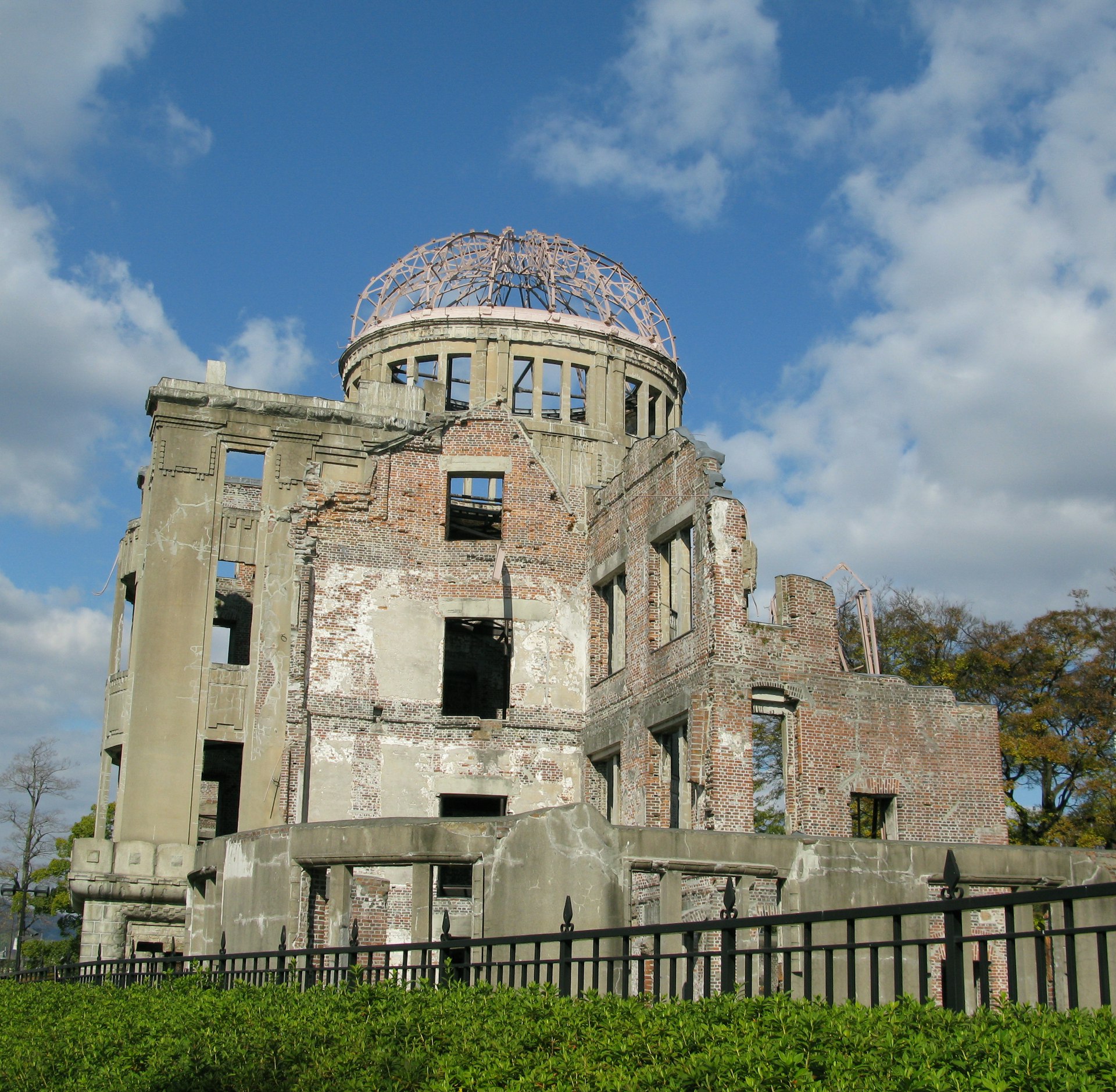

Photo by Paul Blenkhorn on Unsplash
Introduction: The Dawn of the Nuclear Age
The development and deployment of nuclear weapons drastically altered the trajectory of world history. From their first use in warfare to their role in shaping international relations, security doctrines, and global consciousness, nuclear arms have had profound and lasting consequences. This article offers a comprehensive exploration of these impacts, outlining key historical events, the evolution of nuclear policy, and practical guidance for further research or education in this pivotal field.
The First Use of Nuclear Weapons and Its Immediate Impact
Nuclear weapons were first used in armed conflict in August 1945, when the United States dropped atomic bombs on the Japanese cities of Hiroshima and Nagasaki. The bomb over Hiroshima, codenamed “Little Boy,” detonated with a force equivalent to about 15 kilotons of TNT, destroying nearly 50,000 buildings and killing approximately 70,000 people instantly. Nagasaki was bombed three days later with a device of about 20 kilotons, resulting in roughly 35,000 immediate deaths and the destruction of 60% of the city. Many more died in the months and years that followed from radiation sickness and injuries [1] [2] . These bombings contributed directly to Japan’s decision to surrender, ending World War II in the Pacific and marking the only use of nuclear weapons in war to date [1] .
Global Security and the Onset of the Cold War
The demonstration of nuclear capabilities in 1945 quickly led to a global arms race. Other nations, most notably the Soviet Union, accelerated their own nuclear programs, successfully testing their first atomic bomb in 1949 [3] . This development marked the beginning of the Cold War, a period defined by geopolitical rivalry, mutual suspicion, and the doctrine of mutually assured destruction (MAD). The existence of nuclear arsenals on both sides acted as a deterrent, making direct military conflict between superpowers far less likely, though it led to numerous proxy wars and crises. The Cuban Missile Crisis in 1962, for example, brought the world to the brink of nuclear war, highlighting both the dangers and the stabilizing effects of nuclear deterrence [4] .
Nuclear Weapons and International Relations
The nuclear age transformed diplomacy and international relations. Countries possessing nuclear arms gained significant strategic leverage, often leading to shifts in global power structures. The establishment of military alliances such as NATO-with the so-called “nuclear umbrella”-provided member states with collective security against nuclear threats [3] . At the same time, the threat of proliferation-nuclear weapons spreading to more states-became a major concern for global stability.

Photo by Leon Andov on Unsplash
International efforts to control and reduce nuclear arsenals have led to key treaties and agreements. The Nuclear Non-Proliferation Treaty (NPT), signed in 1968, remains the cornerstone of global nuclear arms control, seeking to prevent the spread of nuclear weapons and promote peaceful uses of nuclear energy. The United Nations, in its first General Assembly resolution in 1946, called for the elimination of atomic weapons [2] . Further agreements, such as the Strategic Arms Reduction Treaty (START) and the Comprehensive Nuclear-Test-Ban Treaty (CTBT), have sought to limit arsenals and testing, but progress has been uneven and often subject to changing political climates.
The Nuclear Arms Race and Technological Advancements
The Cold War arms race led to the rapid development of new and more powerful weapons. In 1961, the Soviet Union detonated the Tsar Bomba-the largest nuclear device ever tested, yielding 57 megatons of TNT, dwarfing all previous explosions and demonstrating the catastrophic potential of thermonuclear weapons [4] . This period also saw the proliferation of intercontinental ballistic missiles (ICBMs), submarine-launched ballistic missiles (SLBMs), and the concept of second-strike capability, all designed to ensure a retaliatory response in the event of a nuclear attack.
The arms race had significant economic and technological effects. It spurred advancements in science and engineering, including the development of nuclear energy for civilian purposes. However, it also led to vast expenditures, diverting resources from other societal needs and contributing to periods of heightened international tension.
Societal and Environmental Consequences
The impact of nuclear weapons extends beyond military strategy and geopolitics. The bombings of Hiroshima and Nagasaki produced unprecedented human suffering, with survivors-known as hibakusha-experiencing lifelong health consequences, social stigma, and psychological trauma [2] . The legacy of testing, particularly atmospheric and underwater detonations, has resulted in environmental contamination, long-term health problems for affected populations, and ongoing challenges related to radioactive waste management.
Public awareness of the dangers of nuclear weapons has fueled global peace movements and advocacy for disarmament. Organizations such as the International Campaign to Abolish Nuclear Weapons (ICAN) and the Bulletin of the Atomic Scientists continue to educate and advocate for a world free from the threat of nuclear war. The symbolic Doomsday Clock, maintained by the Bulletin, reflects the perceived risk of global catastrophe due to nuclear arms and other existential threats.
Accessing Research, Education, and Advocacy Resources
Those seeking to deepen their understanding of nuclear weapons’ impact on world history have multiple pathways. Academic institutions, such as universities with programs in international relations or security studies, often offer specialized courses and research opportunities. The Atomic Heritage Foundation and the International Campaign to Abolish Nuclear Weapons (ICAN) maintain accessible online archives with historical documents, survivor testimonies, and educational resources. To access official treaty texts or recent policy developments, you can visit the United Nations Office for Disarmament Affairs (UNODA) website or search for “Nuclear Non-Proliferation Treaty” and “Comprehensive Nuclear-Test-Ban Treaty” on the official UN portal. For access to primary sources and declassified documents, the U.S. Department of Energy’s Office of History and Heritage Resources provides valuable material.
If you are interested in advocacy or wish to participate in disarmament efforts, you can look for local or international non-governmental organizations focused on nuclear policy and peacebuilding. Many organizations offer volunteer opportunities, educational events, and policy briefings. For up-to-date statistics, research, and news, consider searching for the Bulletin of the Atomic Scientists and ICAN through their official websites.
Step-by-Step Guidance for Further Research
- Define your area of interest: Are you focused on historical events, policy, technology, humanitarian impact, or advocacy?
- Use academic databases such as JSTOR or Google Scholar, searching with terms like “nuclear weapons history,” “arms control,” or “nuclear deterrence.” Access to some articles may require institutional affiliation or payment, but many public libraries can facilitate access.
- Visit the official websites of the United Nations, International Campaign to Abolish Nuclear Weapons, and the Atomic Heritage Foundation for verified, authoritative information.
- For government policy and treaty information, refer to the United Nations Office for Disarmament Affairs (UNODA) and the U.S. Department of Energy’s Office of History and Heritage Resources. When looking for specific treaty texts, search “NPT full text UNODA.”
- Consider joining online forums or attending conferences hosted by universities, think tanks, or advocacy groups to connect with experts and stay informed about recent developments.
Challenges, Solutions, and Alternative Approaches
One of the persistent challenges in addressing nuclear weapons’ impact is the tension between national security interests and global disarmament goals. States with nuclear capabilities often resist disarmament efforts due to perceived strategic advantages. Verification and enforcement of treaties remain difficult, as technological advancements can enable clandestine development or modernization of arsenals. To address these issues, transparency measures, confidence-building initiatives, and robust verification mechanisms have been developed. Alternative approaches include regional nuclear-weapon-free zones and grassroots advocacy for new treaties and norms.
For individuals or organizations seeking to engage with this issue, practical steps include supporting educational initiatives, participating in public awareness campaigns, and contacting elected officials to express views on nuclear policy. Many organizations encourage the use of social media, petitions, and public events to amplify advocacy efforts. If you are interested in participating, you can search for campaigns organized by ICAN or the Bulletin of the Atomic Scientists, and follow official news updates from the United Nations.
Key Takeaways
The development and deployment of nuclear weapons fundamentally reshaped global history, security, and society. Understanding this legacy requires a multidisciplinary approach and ongoing engagement with reliable resources. Whether your interest lies in research, policy, or advocacy, numerous avenues exist for further involvement and education, provided you use verified channels and official sources for guidance and information.
References
- [1] Wikipedia (2023). Nuclear warfare – Historical background and impact.
- [2] International Campaign to Abolish Nuclear Weapons (ICAN). Nuclear Weapons History – Major events and consequences.
- [3] Wikipedia. Timeline of nuclear weapons development – Chronological developments.
- [4] Atomic Heritage Foundation. Timeline – Nuclear history and arms race milestones.