Understanding the Russian Revolution: Origins, Events, and Lasting Impact
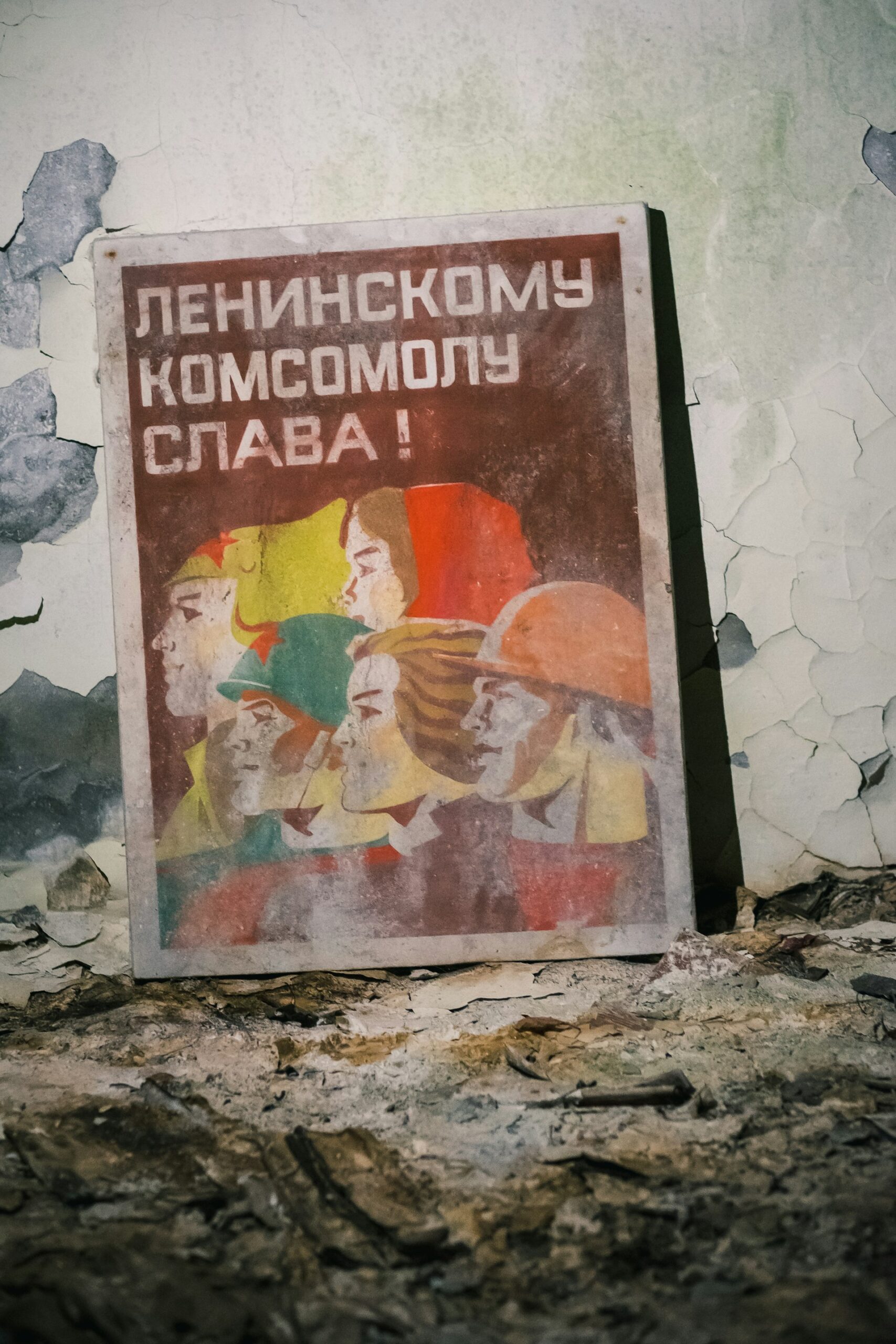

Photo by Gerhard Reus on Unsplash
Introduction
The Russian Revolution stands as one of the most significant turning points of the twentieth century, dramatically reshaping not only Russia but the global political landscape. This period, spanning from the unrest of early 1917 to the consolidation of Soviet power and the subsequent Civil War, witnessed the end of the Romanov dynasty, the rise of the Bolsheviks, and the birth of a new socialist state.
[1]
Understanding its causes, unfolding events, and consequences is essential for those seeking insights into modern history and political change.
Background and Origins
By the early twentieth century, Russia faced deep-seated challenges. The country remained predominantly agrarian, plagued by poverty, and ruled by an autocratic monarchy. The
Emancipation of the Serfs in 1861
failed to resolve economic hardship for most Russians.
[2]
Industrialization brought new social tensions, while political opposition grew among intellectuals, workers, and peasants.
The disastrous involvement in World War I intensified grievances. Russian soldiers and civilians suffered immense losses, and the economy buckled under the strain. Discontent simmered, setting the stage for mass mobilization and revolution.
The February Revolution: Collapse of the Romanov Dynasty
On March 8, 1917 (February 23 by the Julian calendar), strikes and protests erupted in Petrograd (St. Petersburg), triggered by food shortages, war fatigue, and dissatisfaction with Tsarist rule.
[1]
Over the next week, clashes with police and troops resulted in over a thousand deaths. The military eventually sided with the protesters, leading to Tsar Nicholas II’s abdication on March 15, 1917.
With the Romanov dynasty ended, a provisional government was established, led first by Prince Lvov and then by Alexander Kerensky. However, it struggled to address the war and growing social unrest. Soviets-councils of workers and soldiers-gained influence, setting the stage for a struggle over Russia’s future.
The Rise of the Bolsheviks
Vladimir Lenin, leader of the Bolshevik faction, returned from exile in April 1917 and began to build support for a radical transformation.
[2]
The Bolsheviks advocated “All Power to the Soviets,” opposing continued war participation. Throughout the summer, political crises, such as the July Days unrest and General Kornilov’s failed coup attempt in September, destabilized the provisional government further. During these events, the Bolsheviks expanded their base among workers, soldiers, and peasants.
By autumn, the Bolsheviks had gained a majority in key soviets, including Petrograd and Moscow, positioning themselves as the force for revolutionary change.
The October Revolution: Seizing Power
On November 7, 1917 (October 25 by the Julian calendar), the
October Revolution
began. Bolshevik-led forces, organized by the Revolutionary Military Committee under Leon Trotsky’s leadership, launched a coordinated uprising against the provisional government.
[3]
Key government buildings were seized, and the Winter Palace, seat of the provisional government, was stormed with minimal casualties.
Kerensky fled Petrograd, and the Bolsheviks declared power transferred to the soviets-representing workers, soldiers, and peasants. Lenin emerged from hiding to lead the new government, which immediately called for Russia’s withdrawal from World War I and promised land reform and worker control over industry.
The Russian Civil War and Consolidation of Soviet Power
Despite the Bolsheviks’ swift takeover, their position was far from secure. Liberal and monarchist factions, known as the White Army, along with foreign powers, launched armed resistance against the Bolsheviks’ Red Army.
[3]
The Civil War lasted until 1922, devastating the country and leading to millions of deaths.
The Bolsheviks ultimately prevailed, solidifying the formation of the Union of Soviet Socialist Republics (USSR) in 1922. Their victory was aided by centralized leadership, control of key urban centers, and promises of radical change that resonated with many Russians.
Major Figures and Their Influence
Vladimir Lenin
played a pivotal role in shaping revolutionary ideology and strategy, though he spent key moments in hiding for safety.
[3]
Leon Trotsky
, as chairman of the Revolutionary Military Committee, organized and directed the October insurrection and the early Red Army. Other notable figures include Alexander Kerensky, who led the provisional government, and Lavr Kornilov, whose failed coup bolstered Bolshevik support.
The revolution also saw the emergence of grassroots leaders from the soviets, whose activism drove local and national changes.
Consequences and Legacy
The Russian Revolution ended centuries of imperial rule, created the world’s first socialist state, and inspired revolutionary movements worldwide. Its legacy includes the transformation of Russian society, the rise of the Soviet Union, and the influence of Marxist-Leninist ideology on global politics.
The revolution’s social reforms-such as land redistribution and expanded education-had lasting effects. However, the period also saw harsh repression, economic hardship, and political purges. The lessons of the Russian Revolution remain relevant for those studying social change, leadership, and the complexities of revolution.
How to Access Further Resources on the Russian Revolution
For those seeking in-depth study, reputable encyclopedias and academic institutions offer comprehensive resources. You may:
- Search for “Russian Revolution” on Encyclopaedia Britannica ‘s official website for expert overviews and timelines.
- Consult primary documents and chronologies at the Marxists Internet Archive for detailed accounts of revolutionary events and perspectives.
- Explore scholarly articles hosted by university history departments and peer-reviewed journals for analysis and recent research.
- Visit public or university libraries for access to books and archival materials on Russian history.
- Consider online courses from accredited platforms-search for “Russian Revolution history course” at recognized educational sites (such as Coursera or edX)-for structured learning opportunities.
When looking for primary sources, focus on official archives and established digital libraries. If you require guidance, librarians at major institutions can recommend reliable sources and research strategies.
Step-by-Step Guide to Researching the Russian Revolution
- Define your area of interest (e.g., causes, key figures, social impact).
- Use authoritative search terms like “Russian Revolution timeline,” “Bolsheviks and October Revolution,” or “impact of Russian Revolution.”
-
Access Encyclopaedia Britannica or similar encyclopedias for an overview.
[1]
-
Review primary sources or digitized documents for firsthand accounts (e.g., Marxists Internet Archive).
[2]
-
Compare scholarly analyses for different perspectives and interpretations.
[3]
- Document your findings and cite sources accurately to ensure reliability.
If you need academic assistance, contact university history departments or professional historical associations for expert advice. Many offer resources for students and independent researchers.
Challenges and Solutions in Studying the Russian Revolution
Common challenges include navigating conflicting accounts, understanding calendar differences (Julian vs. Gregorian), and verifying the reliability of sources. To address these:

Photo by Vadim Shuyskiy on Unsplash
- Prioritize established reference works and scholarly sources.
- Check calendar dates carefully when comparing events from different sources.
- Seek multiple viewpoints to gain a broader understanding of complex issues.
- Consult professional historians or academic advisors for clarification on contentious points.
Alternative Approaches
Beyond traditional research, you can:
- Engage in interactive online discussions and forums focused on Russian history.
- Attend seminars or lectures hosted by history societies or educational institutions.
- Watch documentaries and interviews with historians for visual and narrative context.
Always verify the credibility of sources and presenters before relying on their interpretations.
Key Takeaways
The Russian Revolution’s enduring legacy lies in its sweeping transformation of Russian society, its influence on global politics, and its lessons for understanding revolutionary change. With careful research and reliable resources, you can gain deeper, actionable insights into this pivotal era.