How Religion Shaped Conflict and Power Dynamics in Medieval Europe
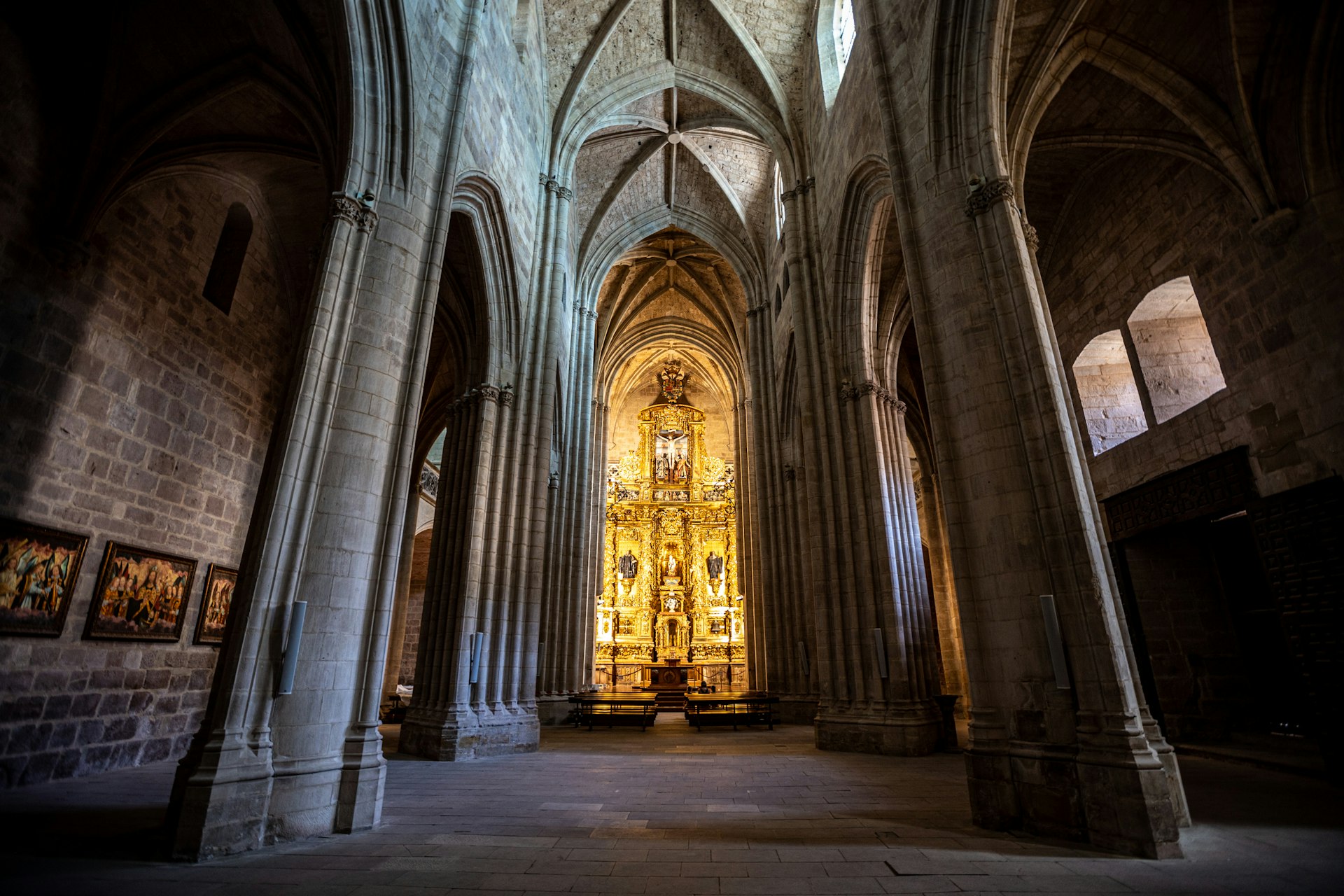

Photo by Mario La Pergola on Unsplash
Introduction
The medieval period in Europe was marked by profound religious influence on all aspects of life, but nowhere was this more evident than in the numerous conflicts that shaped the continent. Religion was not just a spiritual framework-it was a decisive force in wars, power struggles, and societal change. This article delves into the complex and multifaceted role of religion in medieval European conflicts, providing historical context, detailed examples, and guidance for those seeking to deepen their understanding of this pivotal era.
The Centrality of Religion in Medieval Society
In medieval Europe, the Catholic Church was the dominant institution, exerting control over legal, social, and political life. The vast majority of Europeans were Catholic, and the Church enforced strict moral codes and laws that governed daily conduct. Many rulers relied on religious legitimacy to strengthen their authority, and the Church often acted as a unifying force-or a source of division-depending on the context [4] .

Photo by Hilde Buyse on Unsplash
Attending Mass was a regular part of community life, while the Church’s moral teachings shaped everyday decisions. Disobedience to Church laws could result in severe punishment, further demonstrating the entwined nature of religion and governance. This deep integration meant that religious ideas and institutions were inevitably drawn into political and military conflicts.
Religion as a Cause and Justification for Conflict
Religious motivations were frequently invoked to legitimize wars and civil strife. Rulers and clerics often claimed divine support, asserting that God was on their side. This rhetoric was used to rally troops, justify violence, and undermine opponents. For example, during the Scandinavian civil wars, rival factions competed for the Church’s backing, with each side interpreting ambiguous religious signs as evidence of divine favor [1] .
Such religious justification was not always rooted in genuine belief. As noted by historians, these claims were often politically motivated, aiming to strengthen one’s own position and weaken opponents. The ambiguity of interpreting God’s will made it possible for leaders to manipulate religious sentiment, intensifying the fervor and brutality of conflicts.
Major Religious Conflicts: The Crusades and Beyond
The Crusades are perhaps the most famous example of religiously motivated warfare in medieval Europe. Initiated in the late 11th century, these military campaigns aimed to capture Jerusalem and other holy sites from Muslim rule. The Church promised spiritual rewards for participants, framing the wars as a sacred duty. Over a series of five major crusades, thousands of Europeans took up arms, leading to immense bloodshed, cultural exchange, and long-term enmity between Christian and Muslim communities [4] .
Religion also played a significant role in internal European wars. The European wars of religion in the 16th and 17th centuries, though technically after the medieval era, had their roots in earlier religious conflicts. The Protestant Reformation and subsequent Catholic Counter-Reformation led to decades of war, culminating in the devastating Thirty Years’ War. These conflicts were deeply intertwined with political, territorial, and dynastic ambitions, but religious identity remained a central dividing line [2] .
The Power of the Church and Religious Institutions
The Catholic Church wielded immense influence over medieval European rulers. Popes and clergy could excommunicate monarchs, pressure them politically, or even depose them. This power made the Church a key player in wars and succession crises. For example, during the Investiture Controversy, the papacy and the Holy Roman Emperor clashed over the right to appoint bishops-a conflict that led to excommunications, civil war, and shifting alliances [1] .
Clerical actors also shaped broader policies, including the treatment of minorities. After the Gregorian Reforms, papal-clerical power grew, enabling the Church to pressure monarchs into eliminating religious minorities like Jews and Muslims. This ethnoreligious cleansing was unique in its scope and effectiveness, leading to a largely homogenous Catholic Europe by the late Middle Ages [3] .
Religion, Identity, and the Fate of Minorities
The consolidation of Christian identity in Western Europe often came at the expense of religious minorities. Jews and Muslims faced increasing persecution, forced conversions, and expulsions. These measures were justified on religious grounds but also reflected political and economic motivations. The lack of a hegemonic empire in Western Europe enabled the Church to act with greater independence than religious authorities elsewhere, leading to more concerted efforts to eliminate religious diversity [3] .
For those interested in tracing the history of religious minorities or understanding the mechanisms of religiously motivated persecution, academic libraries and university history departments are valuable resources. Many provide access to digital archives, primary sources, and expert guidance. To begin, consider searching for terms such as “medieval religious minorities,” “Jewish expulsions in medieval Europe,” or “history of the Crusades.”
Practical Guidance for Further Research and Learning
If you wish to deepen your understanding of religion’s role in medieval European conflicts, several approaches can be taken:
- University History Departments: Many universities offer courses on medieval history and religious conflict. Contacting faculty or searching university course catalogs for “medieval history” or “European religious conflict” can provide opportunities to enroll or audit classes.
- Academic Libraries: Use library search tools to find books and peer-reviewed articles. Recommended search terms include “religion and war in medieval Europe,” “Crusades,” and “Catholic Church power medieval.”
- Museums and Public Lectures: Museums with medieval collections or history societies often host public lectures. Check the events pages of major institutions or local historical societies for upcoming talks.
- Online Educational Platforms: Platforms like Coursera, edX, and FutureLearn regularly feature courses on medieval history. Search for “medieval Europe,” “religious conflict,” or “history of Christianity.”
For the most authoritative, up-to-date scholarship, prioritize sources published by university presses or major academic journals. If you encounter paywalls, consider using public or university library access or requesting interlibrary loans.
Challenges and Alternative Perspectives
Studying the role of religion in medieval European conflicts presents several challenges. Sources from the period are often biased, with chroniclers favoring their own religious or political factions. Modern historians debate the relative importance of religious versus political motives, and interpretations may shift as new evidence emerges. To gain a balanced understanding, consult works from multiple historians and be wary of sources that present a single, simplistic explanation.
Alternative perspectives include examining similar conflicts in Orthodox or Islamic regions, where religious authorities played different roles. Comparative studies can help illuminate what was unique about Western Europe’s experience and what parallels exist elsewhere.
Conclusion and Key Takeaways
Religion was a powerful and often contentious force in medieval European conflicts. It provided legitimacy, fueled passions, and shaped the outcomes of wars and power struggles. By understanding the complex interplay of faith, politics, and society, we gain insight into how religious ideas have shaped-and continue to shape-European history. For those seeking to learn more, a wealth of resources is available through academic institutions, libraries, and reputable online platforms.