How Oral Tradition Safeguards Our Shared Past: Preserving History Across Generations
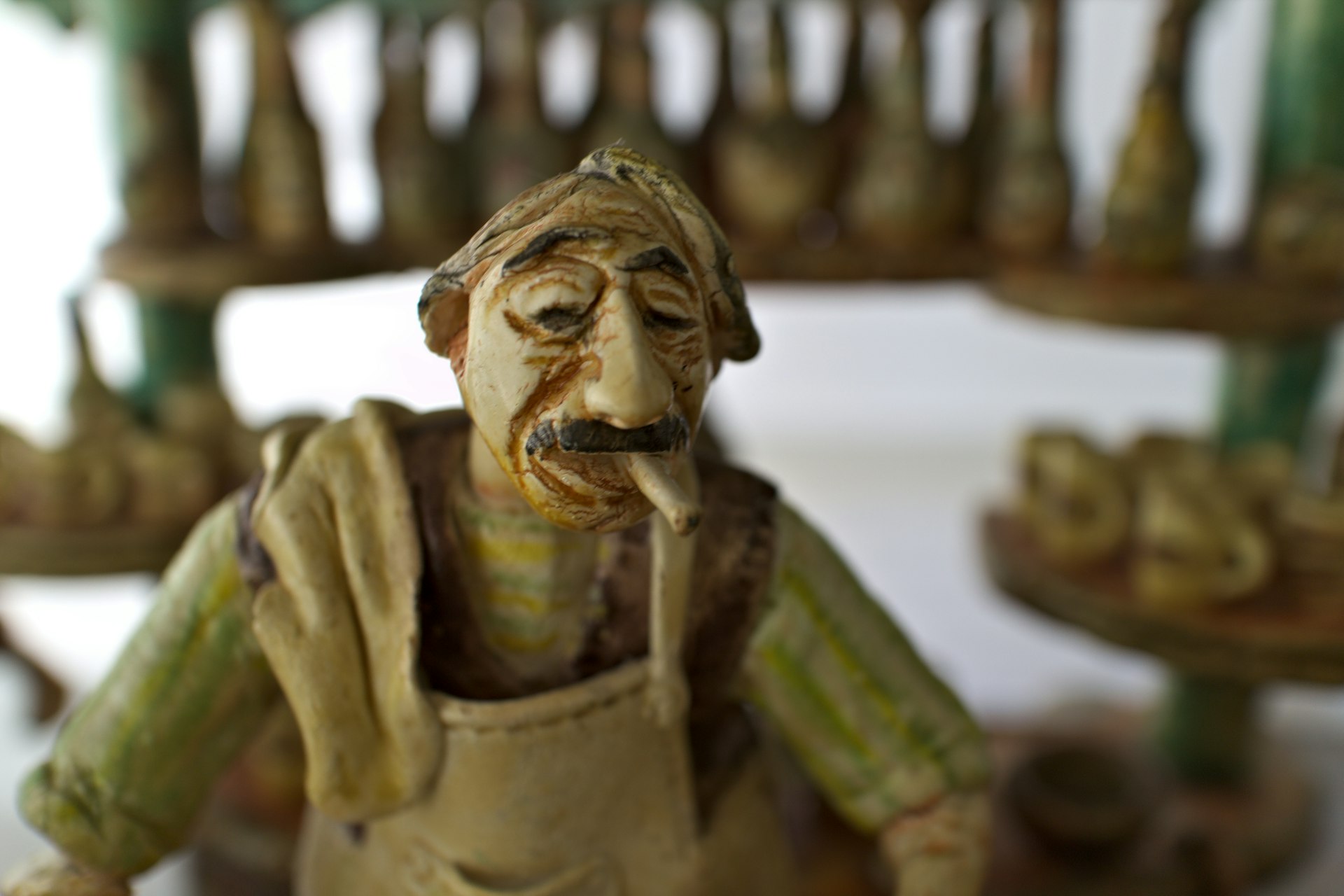

Photo by Ilgaz �cal on Unsplash
Introduction: The Enduring Power of Oral Tradition
Throughout human history, oral tradition has played a pivotal role in preserving knowledge, culture, and historical memory. Before the widespread use of writing, and even today in many societies, spoken stories serve as the primary means of transmitting information from one generation to the next. This living practice not only keeps communities connected to their roots but also ensures that diverse voices-including those not always captured in written records-remain part of our collective legacy. The significance of oral tradition is evident across continents, from Indigenous American storytelling circles to Gaelic ballads in Scotland, and remains essential for cultural preservation in the digital age [1] .
The Foundations of Oral Tradition in Historical Preservation
Oral tradition encompasses a wide array of spoken forms, from myths, legends, and epic poems to genealogies, family stories, and eyewitness accounts of historical events. This method of preserving history is especially vital for communities whose written records may have been disrupted, lost, or never created. In such settings, storytellers-often elders, family members, or designated cultural custodians-become living archives, entrusted with the task of remembering and sharing knowledge [1] . For example, in West African societies, griots are revered historians who memorize and recite genealogies and the deeds of ancestors, serving as both entertainers and educators.
Oral traditions offer several unique advantages:

Photo by SREEJIT SHASHI on Unsplash
- Flexibility and Adaptation: Stories can be updated to reflect changing social realities, ensuring relevance for each new generation.
- Inclusivity: They allow marginalized voices, such as women and minority groups, to contribute to the historical record.
- Emotional Resonance: Spoken narratives often evoke vivid imagery and emotion, strengthening the impact and memorability of historical lessons.
Real-World Examples: Oral Tradition in Action
Throughout the world, oral tradition manifests in diverse ways, each tailored to its cultural context. Among Native American nations, oral histories preserve creation myths, moral lessons, and tribal histories, tightly woven into language and ritual. The Smithsonian National Museum of the American Indian highlights how storytelling not only connects past, present, and future but also strengthens social bonds within Native communities. Additionally, Native Americans of the Northern Great Plains developed “winter counts”-pictographic records on bison hides-maintained by storytellers who recounted key events each year [3] .
In Scotland, as Gaelic language use declined, elders continued to pass down local myths and heroic tales through oral storytelling, keeping the culture alive even as written documentation waned. Researchers have recorded these oral accounts, demonstrating that even endangered languages and traditions can endure through spoken memory [1] .
Why Oral Tradition Remains Relevant Today
Despite the prevalence of written and digital media, oral tradition continues to play a crucial role in heritage preservation:
- Bridging Generations: Storytelling fosters direct, meaningful relationships between elders and youth, creating a sense of continuity and belonging.
- Transmitting Values: Through stories, communities convey ethical lessons, social norms, and collective values, ensuring they remain embedded in daily life.
- Empowering Marginalized Groups: Oral tradition offers a platform for those whose histories may have been omitted from official archives, including women, Indigenous peoples, and minorities [1] .
- Resilience in Adversity: When written records are lost due to migration, war, or colonization, oral traditions can sustain historical knowledge and community identity [2] .
For example, many Native communities maintain their histories through spoken word, even after enduring forced assimilation and language loss. These oral traditions are now being revitalized, often through recordings and community-led educational programs [3] .
Practical Steps for Capturing and Preserving Oral Histories
If you wish to help preserve the stories and experiences of your community or family, consider the following steps:
- Identify Knowledge Holders: Reach out to elders, family members, or community figures known for their storytelling or historical knowledge.
- Prepare Thoughtful Questions: Develop open-ended questions about childhood memories, significant life events, cultural practices, or community changes.
- Record the Stories: Use a smartphone, audio recorder, or video camera to capture conversations. Always obtain permission and respect cultural protocols.
- Transcribe and Organize: Write down or type the stories, organizing them by theme, chronology, or topic. Consider collaborating with local libraries or cultural centers.
- Share and Celebrate: Present these stories to family members, community groups, or through local exhibitions. Digital platforms, podcasts, or social media can also help reach wider audiences.
For more detailed guidance, you can contact local museums, historical societies, or academic institutions with oral history programs. Many universities and cultural organizations offer workshops or online resources for oral history collection and preservation.
Challenges and Solutions in Oral Tradition Preservation
Preserving oral tradition presents unique challenges. Memories can fade, and details may change with each retelling. There is also the risk of losing knowledge as elder storytellers pass away, especially in communities facing language endangerment or social disruption. To address these issues, communities increasingly combine oral storytelling with modern recording technologies, ensuring that voices are documented for future generations [1] .
Another challenge lies in ensuring that diverse perspectives are included. It is important to seek out storytellers from various backgrounds, genders, and social roles, reflecting the full spectrum of community experience. Collaborative efforts-such as community archiving projects-can help ensure inclusivity and accuracy.
Alternative and Complementary Approaches
While oral tradition remains vital, it is often most effective when combined with other preservation methods. Written records, photographs, and digital archives can enrich and contextualize spoken histories. In some communities, storytelling is paired with visual art, music, or ceremonial performance, adding further layers of meaning and engagement. Digital media, such as podcasts and social networks, provide innovative ways to share and safeguard oral traditions in the modern era. For example, recording family stories on a smartphone or contributing to online oral history projects can make these narratives accessible to wider audiences [2] .
If you wish to explore resources for oral history preservation, consider connecting with:
- Local historical societies
- Public libraries with genealogy or oral history programs
- University departments focused on anthropology or cultural studies
Each of these institutions may offer guidance, workshops, or equipment loans for recording and preserving stories. When verified links are not available, you can contact these organizations directly or search for “oral history programs” with your local area or cultural group as a keyword.
Conclusion: Inspiring Future Generations
Oral tradition does more than preserve facts-it sustains the spirit, identity, and resilience of communities. By engaging with and recording the voices of our elders, we not only safeguard history but also empower future generations to cherish and continue these invaluable practices. Whether through traditional storytelling or new media, the role of oral tradition in preserving history remains as important today as ever before.
References
- [1] Rock & Art (2024). The Power of Oral Traditions: Stories Passed Through Generations.
- [2] StoriaVita (2024). The Importance of Oral Histories in Cultural Preservation.
- [3] Smithsonian National Museum of the American Indian (2024). Celebrating Native Cultures Through Words: Storytelling and Oral Traditions.