How Explorers Shaped the Modern World: Legacies, Lessons, and Lasting Impact
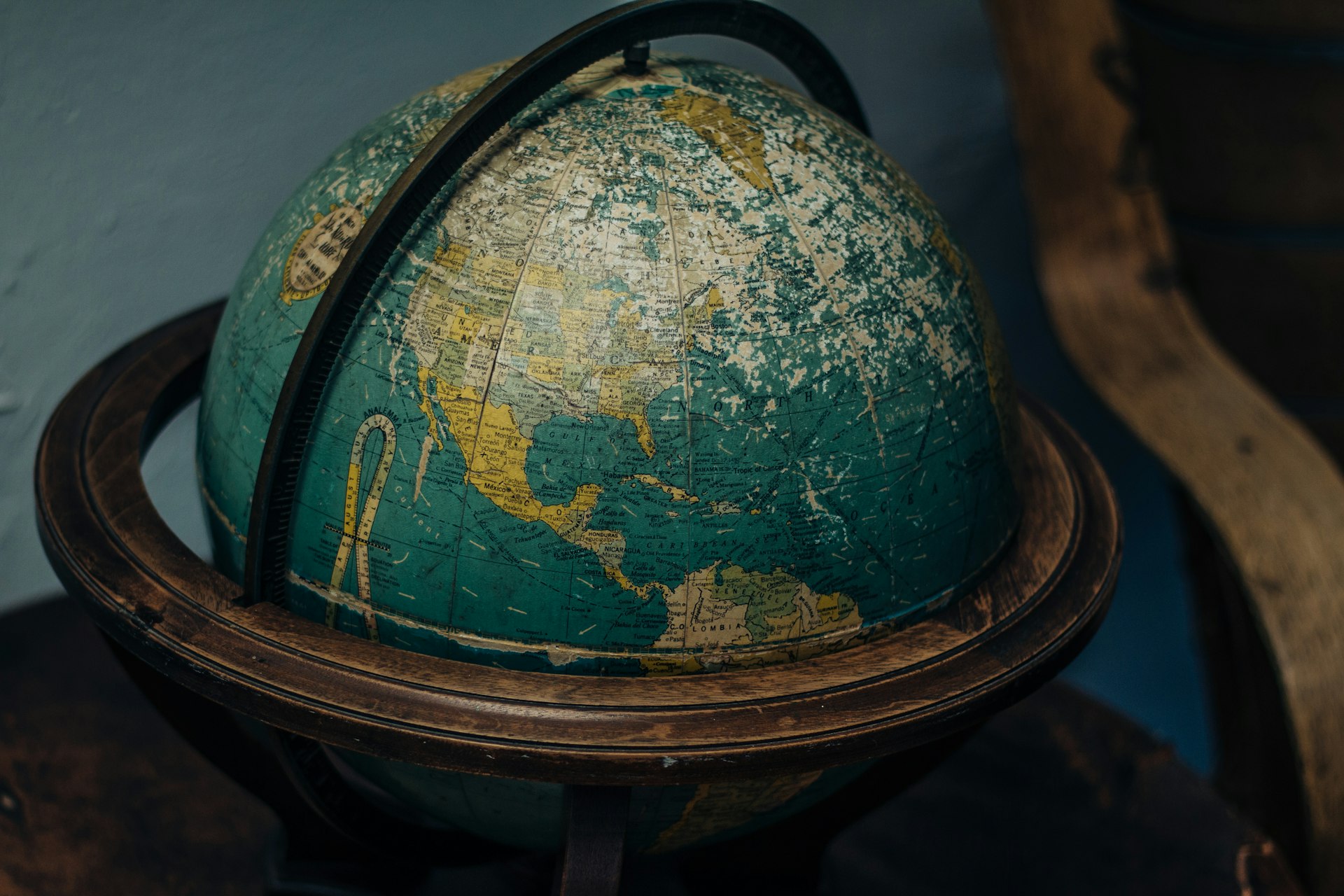

Photo by Adolfo Félix on Unsplash
The Transformative Impact of Exploration on World History
The role of explorers in world history is profound and multifaceted. From the early 15th century through the 17th century, the Age of Exploration-also known as the Age of Discovery-saw navigators and adventurers from Europe embark on journeys that would forever alter the global landscape. Their quests for new trade routes, wealth, and knowledge contributed to the birth of globalization, the rise of empires, and the interconnected world we know today [1] . Understanding the specifics of their contributions, as well as the lasting benefits and challenges their actions created, is essential for recognizing how exploration still influences our lives.
Origins: Motivations and Major Players
Exploration was driven by a combination of economic ambition, religious fervor, and the quest for prestige. Nations such as Portugal and Spain led early expeditions. Portugal, under Prince Henry the Navigator, pioneered journeys along Africa’s west coast, seeking direct access to Asian trade [1] . Spain, motivated by the promise of wealth and the spread of Christianity, sponsored iconic voyages such as those of Christopher Columbus, who reached the Americas in 1492 [2] .
These voyages were not isolated. Explorers like Vasco da Gama opened sea routes to India, while Ferdinand Magellan’s expedition proved the world could be circumnavigated, expanding the boundaries of what was considered possible [4] . This period also saw significant involvement from other European powers, including England, France, and the Netherlands, all seeking new lands and resources.
Building Empires and Changing Economies
The journeys of explorers led to the establishment of overseas empires and the reorganization of global trade. Portuguese dominance in the Indian Ocean and Spanish colonization of the Americas shifted economic power from traditional overland routes to maritime empires. The creation of the Treaty of Tordesillas in 1494, for example, divided newly discovered lands between Spain and Portugal, shaping the linguistic and cultural map of the modern world [2] .
This new order had far-reaching economic effects. The direct importation of spices, gold, silver, and new agricultural products fueled economic growth in Europe. The Columbian Exchange-the movement of plants, animals, and goods between the Old and New Worlds-revolutionized diets, farming, and economies across continents [3] . However, it is important to recognize that these economic boons often came at the expense of indigenous populations, whose societies were disrupted or destroyed.

Photo by Bernd 📷 Dittrich on Unsplash
Cultural Exchange and Globalization
Explorers were catalysts for cultural diffusion on an unprecedented scale. The Age of Exploration ushered in new ideas, technologies, and belief systems as cultures interacted and clashed. The spread of Christianity, new languages, and the exchange of scientific and navigational knowledge transformed societies worldwide [4] .
This era also marked the beginning of sustained global interconnectedness. Goods, people, and ideas moved across oceans, linking distant continents. The mass migration of Europeans to the Americas and other colonies laid the groundwork for the multicultural societies that exist today [3] . The creation of colonial empires and the expansion of trade networks set human history on a global course that still shapes diplomatic, economic, and cultural relationships.
Consequences and Controversies
While exploration brought about significant advancements, it also had devastating consequences. Colonization often meant the exploitation and displacement of indigenous populations, the spread of infectious diseases, and the destruction of local cultures and environments [1] . The debate continues over whether the benefits of exploration-such as economic development and scientific knowledge-outweigh the harms caused by conquest and colonization.
It is vital to approach the legacy of explorers critically. Recognizing both the positive and negative outcomes of their actions helps create a more balanced understanding of history.
Accessing Knowledge and Further Exploration
If you wish to research further into the impact of exploration or seek out resources for deeper study, consider these practical steps:
- Search for resources and academic articles via trusted databases such as JSTOR or your local library’s digital archives using terms like “Age of Exploration impact” or “globalization history.”
- Visit museums with exhibits focused on maritime history, such as the Smithsonian National Museum of American History, for curated overviews and artifacts from the exploration era.
- To understand indigenous perspectives, seek out works by historians from the Americas, Africa, and Asia, or visit cultural heritage organizations in your area.
- Consult national history curriculum guides, such as those available through the U.S. Library of Congress, for structured information and primary sources.
- Engage with reputable online history portals, such as BBC History or the Encyclopedia Britannica, which regularly update materials on global exploration topics.
When seeking academic or educational resources, use official institutional websites-never rely on unofficial or unverified sources. For interactive learning, many museums and universities now offer virtual tours and digital archives. If you are interested in pursuing formal education or research, contact your local university’s history department or use official channels to request syllabi or course information. Always verify that the websites you use are legitimate and secure.
Challenges and Solutions in Researching Exploration History
One of the main challenges in studying the history of exploration is separating fact from myth, as many stories have been embellished or skewed by the perspectives of the victors. To address this, always cross-reference information from multiple reputable sources, and pay attention to recent scholarship that incorporates previously marginalized voices. When encountering paywalls or restricted access, inquire at your library about interlibrary loan services or digital resource sharing agreements.
Another challenge is accessing indigenous or non-European perspectives. Overcome this by seeking out community organizations, oral histories, and works translated from original languages. Many academic institutions now offer grants and fellowships for research on global and indigenous histories.
Key Takeaways and Continuing Relevance
The legacy of explorers is visible in today’s interconnected world: from the foods on our tables to the languages we speak and the global economic system. Their journeys catalyzed waves of migration, cultural transformation, and technological advancement. However, their actions also serve as reminders of the need for ethical consideration and respect for all cultures when engaging in discovery and innovation.
To continue learning, use search terms like “Age of Discovery,” “consequences of exploration,” and “global trade history” in reputable academic databases or public library catalogs. For those wishing to engage with living history, consider attending public lectures, museum events, or online webinars hosted by historical societies. The story of exploration is ongoing, and new research offers fresh insights into its enduring impact on our world.