
Exploring the Legacy and Pathways of Medieval Trade Routes
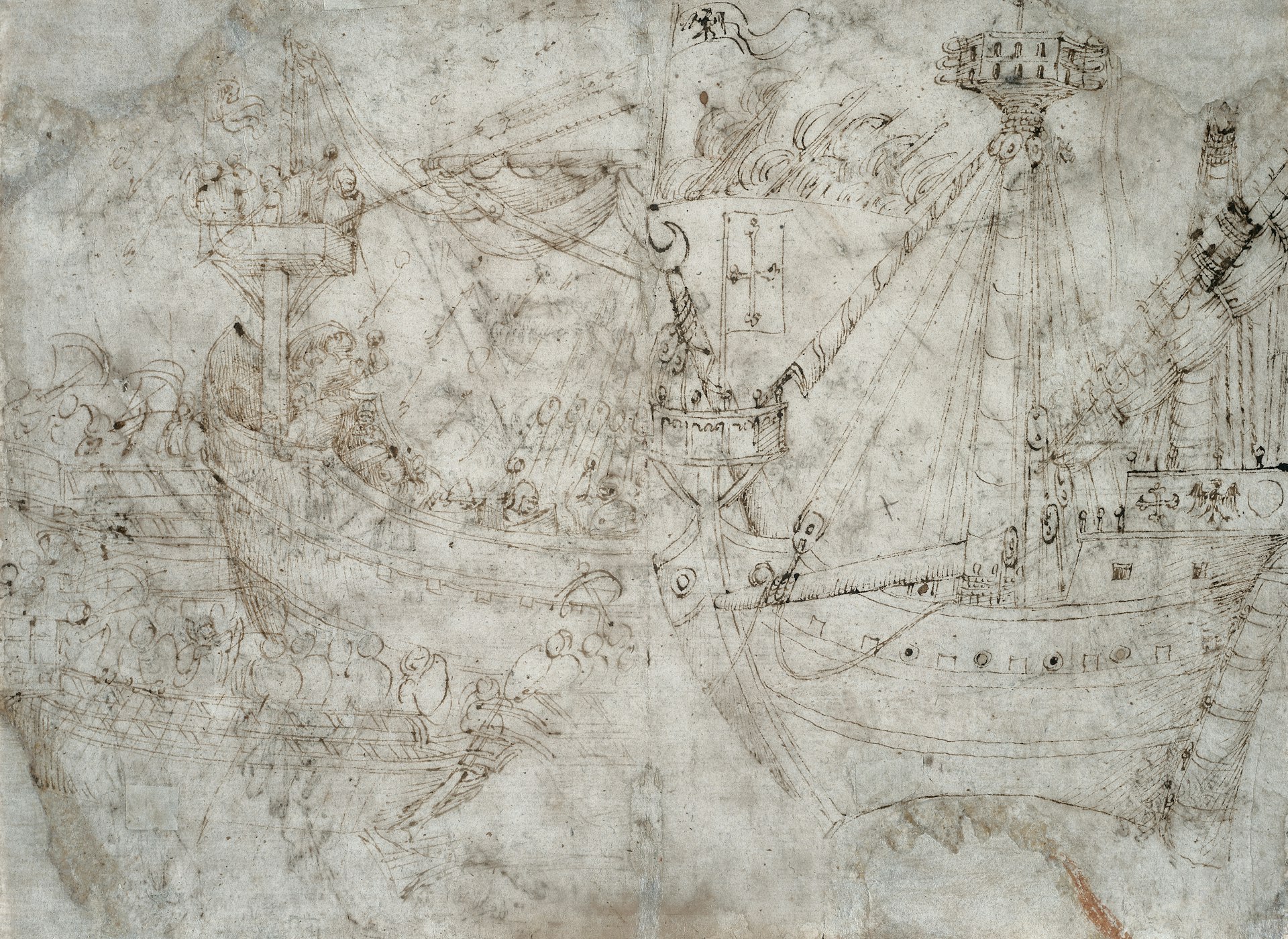

Photo by The Cleveland Museum of Art on Unsplash
Introduction: The Foundations of Medieval Trade
Medieval trade routes were more than mere pathways for merchants-they were catalysts for economic, cultural, and technological exchange across continents. The evolution of these networks from ancient roots to sophisticated medieval systems laid the groundwork for the globalized economy we recognize today. Understanding the history of these trade routes reveals not only the mechanics of commerce but also the enduring impact on societies, cultures, and international relations. [1]
Ancient Roots: From the Silk Road to Early Medieval Networks
The story begins with the legendary Silk Road-a vast network connecting East Asia to the Mediterranean. Established in the 2nd century BCE by the Han Dynasty, this route facilitated the exchange of silk, spices, and precious stones between China, Central Asia, the Middle East, and Europe. As the Roman Empire gave way to the Byzantine and Islamic empires, these ancient networks evolved, incorporating new regions, commodities, and trading practices. [1]
Early medieval trade was further shaped by the expansion of the Arab world, which created a commercial network stretching from Spain to India. Vikings also established routes across the North Atlantic and Eastern European rivers, connecting Scandinavia with the British Isles, the Byzantine Empire, and the Islamic world. [2]
Actionable Guidance: To explore primary sources, visit academic libraries and reputable museums, or search “Silk Road artifacts” at major institutions like the British Museum for curated material.
Major Medieval Trade Networks: Mediterranean, Hanseatic League, Trans-Saharan
Mediterranean Maritime Trade
The Mediterranean remained a hub of international commerce throughout the medieval period. Italian city-states such as Venice, Genoa, and Pisa rose as maritime powers, controlling trade between Europe and the Levant. These cities imported Eastern luxuries-like silks and spices-and exported European goods, such as woolen cloth. Their fleets extended influence into the Crusades, intertwining religion with commerce. [3]
Venetian merchants established trading outposts across the Eastern Mediterranean and Black Sea, facilitating not only the exchange of goods but also technology and ideas. The commercial strategies of these city-states involved securing trade monopolies, forming alliances, and developing complex financial systems, including banking and credit.
Implementation Steps: Study the records of Venetian trade by accessing archives at institutions like the Archivio di Stato di Venezia. Many documents are digitized for public use; search for “Venetian trade records” or “Mediterranean commerce archives.” For modern research, consider academic databases such as JSTOR or the World History Encyclopedia. [3]
Hanseatic League: Northern Europe’s Trade Confederation
The Hanseatic League, formed in the 12th century, was a network of merchant communities centered on Lübeck. It grew to include nearly 200 cities, stretching from London to Novgorod. Hanseatic merchants traded furs, timber, grain, cloth, and fish, while the League developed its own legal system and military forces. [2]
This alliance protected its members from piracy and unfair taxation, encouraging economic growth and urban development in Northern Europe. The League’s influence extended into politics, shaping policies and fostering international cooperation.
Accessing Hanseatic Records: To learn more about the Hanseatic League, consult the archives of the cities involved (such as Lübeck), or search “Hanseatic League historical documents” at established research libraries. Many museums in Germany and the Baltic region feature exhibitions on Hanseatic commerce.
Trans-Saharan Routes: Africa’s Connection to the Mediterranean
Trans-Saharan trade routes linked sub-Saharan Africa with the Mediterranean world. Camel caravans traversed deserts, exchanging gold, salt, slaves, and luxury goods between West African kingdoms (Ghana, Mali, Songhai) and North African cities. This trade enriched African empires and facilitated the spread of Islam across the Sahel. [1]
Timbuktu, at the crossroads of these routes, became a renowned center of learning and culture. The wealth generated by trade supported educational institutions and architectural advancements still admired today.
Exploring Trans-Saharan Heritage: Research “Timbuktu manuscripts” or visit major African museums for collections on medieval trade. UNESCO provides resources on the cultural history of West Africa and the Sahel.
Economic Impact and Commercial Innovations
Medieval trade routes fostered the rise of commercial capitalism and the development of a money economy. The increasing demand for gold and silver coins led to the creation of new banking firms and trading companies. Merchants invested in goods for profit, and financial innovations-such as letters of credit-emerged to facilitate long-distance commerce. [2]
Annual trade fairs, like those in Champagne, became meeting points for merchants from across Europe, encouraging exchange and introducing new products. These events drove economic growth, urbanization, and technological progress, transforming societies from subsistence economies to vibrant commercial centers.
Guidance for Modern Researchers: To study medieval economic systems, search “medieval trade fairs” in academic journals or consult specialized books on medieval banking and commerce. Institutions such as the World History Encyclopedia provide accessible articles and bibliographies. [3]
Challenges, Solutions, and Alternatives
Medieval merchants faced significant challenges: piracy, political instability, environmental hazards, and fluctuating markets. Solutions included forming alliances (e.g., the Hanseatic League), building fortified trading posts, and developing legal frameworks to protect commerce. Alternate approaches included shifting routes-such as bypassing dangerous roads or seeking new port cities-and diversifying goods to mitigate risk.
Some regions responded to threats by investing in military escorts or negotiating trade agreements with local rulers. Others innovated in logistics, using new ship designs or caravan techniques to improve efficiency and safety.
Actionable Steps: For further study, search “medieval trade security” or “historical logistics innovations” at established academic archives. Museums and university research centers often provide detailed case studies of trade challenges and solutions.
Key Takeaways and Practical Application
Medieval trade routes connected distant regions, transformed economies, and shaped cultural identities. The legacy of these networks is evident in modern transportation systems, financial institutions, and global commerce. To access resources on medieval trade, use official academic search engines, reputable museums, and established historical societies. Avoid relying on unverified sources or assumed websites; instead, consult recognized authorities and utilize institutional search tools for accurate information.

Photo by Birmingham Museums Trust on Unsplash