Unveiling the Hidden History of Medieval Universities: Origins, Evolution, and Lasting Legacy
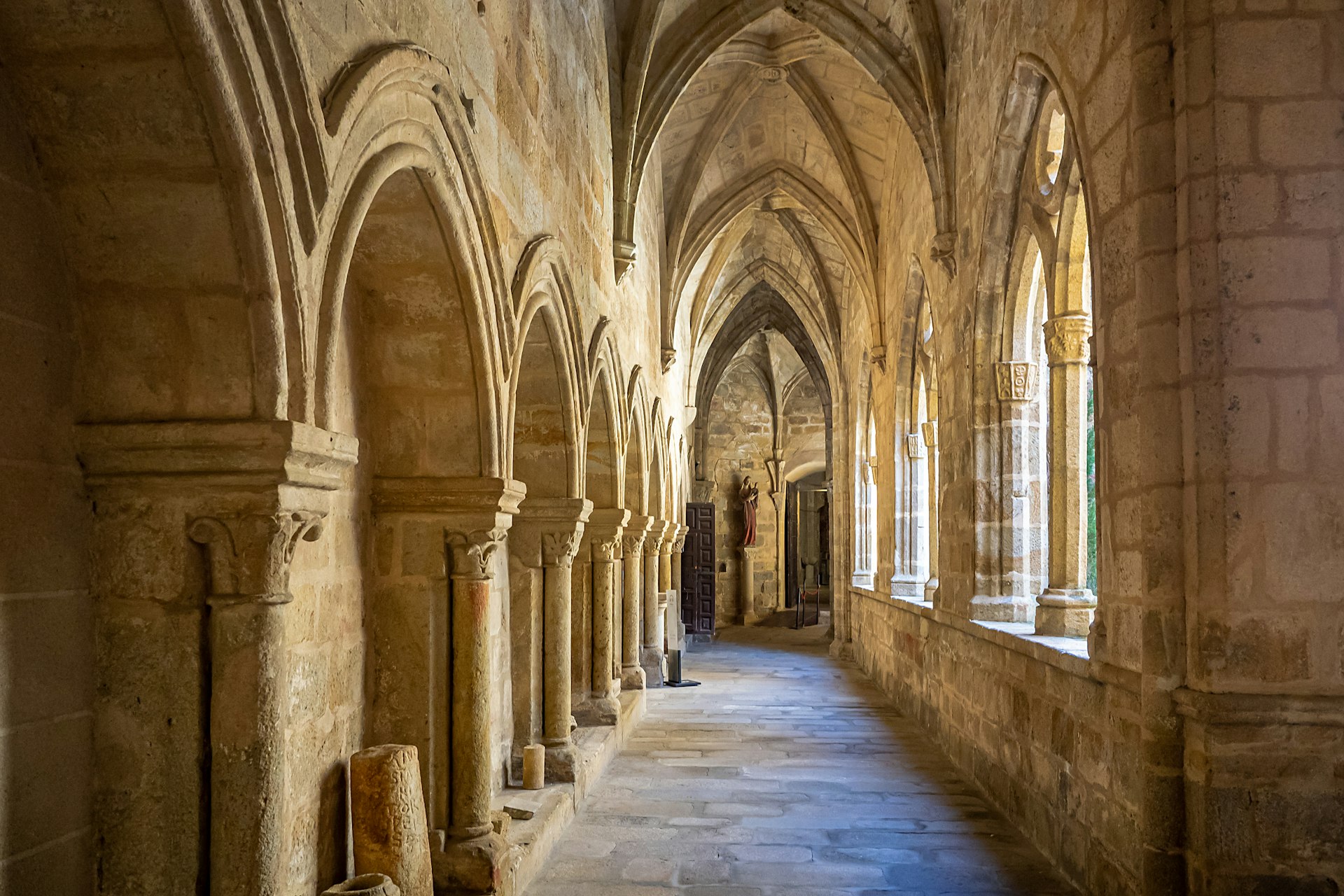

Photo by Manuel Torres Garcia on Unsplash
The Mysterious Origins of Medieval Universities
Medieval universities stand as one of the most significant, enduring achievements of the Middle Ages, yet their origins are often shrouded in mystery. Unlike today’s institutions, these universities did not begin with a formal charter or grand building. Instead, they emerged
spontaneously
during the 11th and 12th centuries, primarily in bustling European cities such as Bologna, Paris, and Oxford
[2]
. Early universities arose from informal gatherings of masters and students-groups known as
universitas
-who banded together to pursue advanced study and intellectual exchange. This organic development, resembling the formation of trade guilds, left few official records, which is why much about their initial formation remains hidden from popular history
[1]
.
From Guilds to Global Institutions: The Structure of Early Universities
The medieval university was not a single building or campus. Instead, it was a corporation of individuals -teachers and students-who organized themselves for the purpose of learning. Classes were often held in churches, private homes, or even rented halls, wherever space was available [2] . Over time, the need for more permanent facilities led universities to acquire or construct dedicated spaces for teaching and study. The organizational structure of these early institutions varied:
- In Bologna, students exercised control, hiring and paying their teachers, which gave them significant leverage in curriculum and governance.
- In Paris, the church, particularly through the chancellor of the diocese, managed teacher salaries and enforced theological orthodoxy, making it a magnet for scholar-theologians.
- In England, universities such as Oxford and Cambridge enjoyed support from the crown, helping them weather political and religious upheavals [2] .
This diversity in governance led to intense competition for both prominent teachers and ambitious students-a dynamic that shaped academic life in ways still visible today.
Hidden Influences: The Curricula and Cultural Exchange
Contrary to the common view of medieval universities as insular or exclusively Western, their curricula were deeply influenced by classical and non-Western sources. The core subjects were the seven liberal arts : grammar, rhetoric, logic, arithmetic, music, geometry, and astronomy. These disciplines, essential for clerics and scholars, were complemented by advanced studies in law, medicine, and theology [3] .
Perhaps the most
hidden
aspect of these universities was their reliance on the works of Aristotle and other ancient philosophers, whose ideas reached Europe largely through Arabic and Persian commentaries. Islamic scholars such as Avicenna and Averroes played a crucial role in transmitting and interpreting classical knowledge, helping to shape the intellectual foundations of European universities
[1]
. The presence of these ideas sometimes led to conflict with Church authorities, who were concerned about the use of ‘pagan’ philosophy in the training of Christian clergy.
Access and Exclusion: Who Could Study?
Medieval universities opened pathways to social mobility for some, but also imposed strict limits. These institutions were almost exclusively male, with women generally excluded due to religious and social norms of the time [1] . Admission was typically limited to those who could afford tuition and living expenses or who received sponsorship from patrons or religious institutions. However, the universities’ location in urban centers made them more accessible than the remote monasteries that had previously dominated higher learning.
For those interested in tracing the historical evolution of university access, you can explore digitized records and manuscripts made available by national libraries and university archives. For example, the British Library and the Vatican Library have extensive online collections where you can view original documents related to medieval education. To access these, visit the official websites of the British Library and the Vatican Library and search for ‘medieval universities’ or related terms.
Student Life: Hidden Realities Behind the Halls
Student life during the Middle Ages was marked by both scholarly pursuit and social turbulence. Students were often much younger than their modern counterparts, sometimes entering university in their early teens. Life was not easy-students faced strict discipline, lived in basic conditions, and often participated in heated disputes, sometimes resulting in riots or even violence. Notably, student unrest at the University of Oxford led to the founding of the University of Cambridge [3] .
If you are researching medieval student life, consider consulting academic journals or university history departments. You can search for recent articles on JSTOR or Project MUSE, both of which house extensive peer-reviewed content on the subject. If you are a student or researcher, your institution may provide access to these resources. Alternatively, many public libraries offer academic database access to cardholders.
The Lasting Legacy and How to Explore Further
The impact of medieval universities extends far beyond their own era. Many of the world’s oldest universities, such as the University of Bologna and the University of Paris, continue to operate-testaments to the endurance of these early models [2] . Their traditions of academic freedom, faculty self-governance, and the pursuit of universal knowledge remain cornerstones of modern higher education.
To delve deeper into this legacy, you can visit the official websites of these historic institutions-such as the University of Bologna -where you will find digital exhibitions, historical timelines, and access to scholarly resources. Additionally, international organizations such as UNESCO regularly publish research on the history and development of universities worldwide. For official data and publications, visit the UNESCO website and search for ‘history of higher education.’
Practical Steps for Further Research
If you are interested in conducting your own research into the hidden history of medieval universities, here are recommended steps:
-
Start with Academic Overviews:
Begin by reading authoritative surveys such as
A History of the University in Europe
(Cambridge University Press), available through most academic libraries. - Access Digital Archives: Use resources from the British Library, Vatican Library, and university archives for primary documents. Search for key terms like ‘medieval university charters’ and ‘student life in the Middle Ages.’
- Consult Peer-Reviewed Journals: Utilize JSTOR, Project MUSE, or your local university’s digital resources for the latest scholarship.
- Connect with Experts: Reach out to university history departments or attend public lectures and seminars, many of which are now available online.
- Stay Critical: Many aspects of medieval academic life are still debated among historians. Compare multiple sources and remain open to new interpretations.
Summary and Key Takeaways
The hidden history of medieval universities is a story of innovation, adaptation, and enduring influence. From their unrecorded, almost spontaneous beginnings to their transformation into structured centers of learning, these institutions shaped the intellectual life of Europe and laid the groundwork for today’s global system of higher education. Exploring this topic offers not only a window into the past but also insight into the challenges and possibilities of academic life in any era.

Photo by Margarida CSilva on Unsplash
References
- [1] Stanford University (n.d.). Chapter Seven: The Medieval Universities of Oxford and Paris.
- [2] Wikipedia (2024). Medieval university. Overview and characteristics.
- [3] Medievalists.net (2011). Medieval University.
- [4] British Library (2024). Official website.
- [5] Vatican Library (2024). Official website.
- [6] UNESCO (2024). Official website.
- [7] University of Bologna (2024). Official website.