Indigenous Resistance Movements: A Living Legacy of Defiance and Renewal
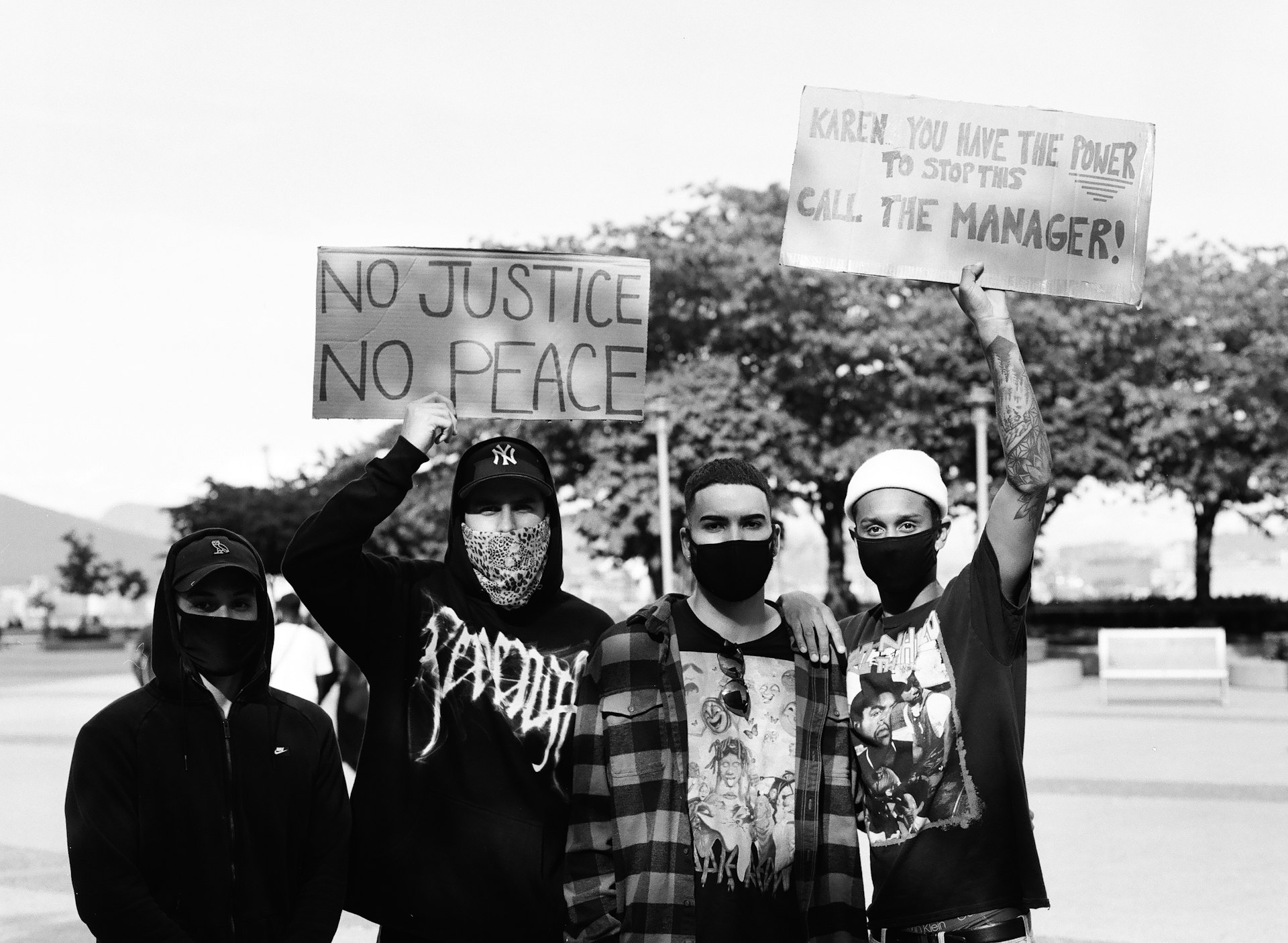

Photo by Moses Lee on Unsplash
Introduction: The Enduring Spirit of Indigenous Resistance
For over five centuries, Indigenous peoples across the Americas have demonstrated a remarkable capacity for resilience and resistance in the face of colonization, forced assimilation, and land dispossession. Their history is not only one of survival but of active defiance, creative adaptation, and ongoing renewal. This article provides a comprehensive overview of major Indigenous resistance movements, the strategies employed, their lasting impact, and actionable guidance for those seeking to learn from or support these ongoing struggles for justice and sovereignty.
1. Early Resistance: From First Contact to the 19th Century
The arrival of European colonizers in 1492 marked the beginning of a long and violent process of dispossession, exploitation, and cultural suppression. Yet, Indigenous nations responded with organized and sustained resistance, often at great cost.
During the initial centuries, major examples of resistance included:
- Pueblo Revolt (1680): The Pueblo peoples of present-day New Mexico drove Spanish colonizers from their lands, maintaining independence for over a decade before Spain reasserted control.
- King Philip’s War (1675-1678): Led by Metacom (King Philip), the Wampanoag and their allies launched a coordinated uprising against English settlers in New England. Though ultimately suppressed, it remains one of the deadliest conflicts in colonial North America.
- Continuous Resistance in the Arctic and Plains: Throughout the 16th and 17th centuries, Inuit, Plains, and other Indigenous groups mounted fierce opposition against French, British, and Spanish incursions. The Beothuk of Newfoundland, for example, fought back against French attacks; tragically, combined assaults and introduced diseases eventually led to their extinction [2] .
These early movements established key strategies of alliance-building, adaptation, and the assertion of treaty rights-principles that would shape later resistance.
2. 20th Century: Organized Movements and Legal Challenges
As the 20th century unfolded, Indigenous activism shifted toward large-scale organization and legal advocacy, confronting both assimilationist policies and systemic discrimination.
Notable movements include:
- Occupation of Alcatraz Island (1969-1971): In November 1969, a diverse group of Indigenous activists, calling themselves Indians of All Tribes, occupied Alcatraz Island. Their aim was to reclaim the land, raise awareness of broken treaties, and establish a cultural center. The occupation lasted 19 months and drew national attention, helping to inspire a new generation of Indigenous activists and contributing to legislative changes such as the Indian Self-Determination and Education Assistance Act of 1975 [1] .
- Wounded Knee Occupation (1973): Over 200 members of the American Indian Movement (AIM) and the Oglala Sioux Nation occupied the town of Wounded Knee, South Dakota, to protest governmental violations of treaties and corruption in tribal governance. The standoff lasted 71 days, resulting in a national debate over Indigenous rights and, ultimately, a 1980 U.S. Supreme Court acknowledgment of the illegality of U.S. interference in Sioux affairs [1] .
- Canadian Indigenous Movements: The Lubicon Lake Cree’s campaign for land rights and the Mohawk resistance at Oka (1990) challenged government encroachment and inspired a wave of solidarity across North America [2] .
These events demonstrate an evolution toward highly visible, coordinated action, legal advocacy, and grassroots mobilization, all while maintaining connections to land and cultural revitalization.
3. Contemporary Resistance: 1990s to Present
Since the 1990s, Indigenous resistance has continued to adapt to new challenges, from environmental destruction to globalization. Modern movements often integrate social media, legal challenges, and coalition-building with non-Indigenous allies.

Photo by Matias Megapixel on Unsplash
Key contemporary examples include:
- Zapatista Uprising (1994): In southern Mexico, the Zapatista Army of National Liberation (EZLN) rose up on January 1, 1994, to protest NAFTA and demand Indigenous rights, autonomy, and land reform. Their combination of armed resistance and media outreach inspired global solidarity and drew attention to Indigenous struggles in Latin America [2] .
- Standing Rock and the Dakota Access Pipeline (2016): The Standing Rock Sioux Tribe led a historic campaign against the Dakota Access Pipeline, mobilizing tens of thousands of supporters from around the world. The movement used legal action, social media advocacy, and peaceful direct action to highlight treaty rights and environmental protection. While the pipeline was eventually completed, the campaign revitalized Indigenous activism and raised public awareness of sovereignty issues.
- Ongoing Land Back Campaigns: Across North America and beyond, the Land Back movement seeks the return of Indigenous territories and the restoration of stewardship rights. While specific strategies and outcomes vary, these efforts often combine legal action, public education, coalition-building, and cultural revitalization [3] .
Contemporary organizing leverages technology for communication and education, while continuing to assert treaty rights and traditional governance.
4. Practical Guidance: How to Support and Engage
Individuals and organizations interested in supporting Indigenous resistance movements can take several practical steps:
- Educate Yourself: Begin by learning the history and current status of Indigenous nations in your region. Look for reputable resources, books, and academic courses. Many universities and Indigenous organizations offer educational materials and public lectures.
- Build Relationships: Engage respectfully with local Indigenous communities and organizations. Attend public events, cultural celebrations, or solidarity actions when invited. Listen and follow community-led guidance.
- Support Indigenous-Led Initiatives: Donate to or volunteer with Indigenous-run nonprofits, legal defense funds, and cultural revitalization projects. Whenever possible, prioritize Indigenous voices in your advocacy work.
- Advocate for Policy Change: Contact your elected representatives to express support for Indigenous land rights, language revitalization, and environmental protection. Learn about key legislation, such as the Indian Self-Determination and Education Assistance Act, and advocate for its full implementation.
- Use Verified Sources for Further Action: When looking for specific programs or opportunities, search for official agency names-such as the Bureau of Indian Affairs, National Congress of American Indians, or Assembly of First Nations-on their confirmed websites. If seeking legal aid or policy support, contact Indigenous legal services or advocacy groups in your region.
- Challenge Misinformation: Use your platform to counter stereotypes and misinformation about Indigenous peoples. Share verified information and amplify Indigenous perspectives, especially during public debates or policy discussions.
Remember that effective support is rooted in humility, long-term relationship-building, and respect for Indigenous self-determination. Avoid performative allyship by centering community priorities and following Indigenous leadership whenever possible.
5. Overcoming Challenges and Exploring Alternatives
Supporting Indigenous resistance often involves navigating systemic barriers, such as institutional bias, limited resources, and legal complexities. Common challenges include:
- Legal Hurdles: Many land claims and treaty disputes involve complex, lengthy litigation. Collaborate with established Indigenous legal organizations and seek pro bono legal support where possible.
- Funding Constraints: Grassroots movements may lack consistent funding. Consider organizing community fundraisers or leveraging crowdfunding platforms with the guidance of Indigenous-led groups.
- Public Misunderstanding: Persistent stereotypes and misinformation can hamper support. Engage in public education campaigns and promote informed dialogue using resources from reputable Indigenous organizations and academic institutions.
Alternative approaches include supporting cultural preservation efforts, advocating for Indigenous language revitalization, and engaging in community-based environmental stewardship projects. Each strategy contributes to broader goals of sovereignty, justice, and healing.
Key Takeaways
The history of Indigenous resistance movements is one of determination, innovation, and hope. From early revolts to contemporary campaigns for land and rights, these movements have shaped societies, influenced legislation, and inspired global solidarity. By educating ourselves, building respectful partnerships, and advocating for systemic change, we can help ensure these legacies of resistance continue to empower future generations.