Exploring Ancient Medicine: Practices, Progress, and Practical Lessons for Today
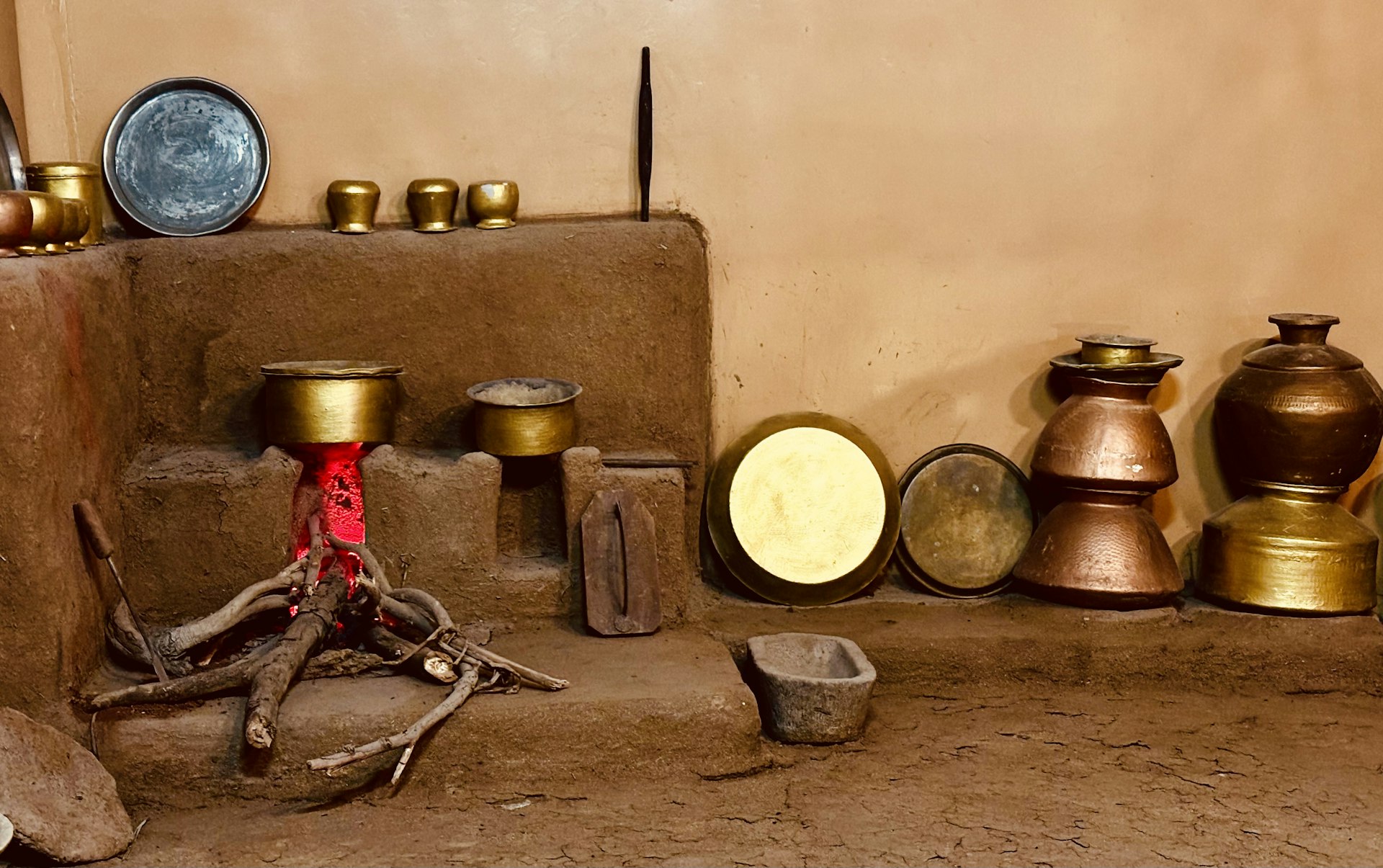

Photo by Shraddha Wasnik on Unsplash
Introduction
The path to modern healthcare began thousands of years ago, shaped by the curiosity, beliefs, and experiments of ancient civilizations. While today’s medicine is evidence-driven, its roots lie in the blend of observation, tradition, and trial that defined early healing practices. Understanding the history of ancient medicine practices is valuable for healthcare professionals, students, and anyone interested in the origins of health systems. This article will detail the main ancient medical traditions, their innovations, and how you can access and learn from these resources today.
Origins of Ancient Medicine
Ancient medicine emerged independently in several regions, including Egypt, India, China, Greece, and Rome. Each culture developed unique approaches, influenced by spiritual beliefs and practical needs. For example, in ancient Egypt (c. 3000 BCE), medicine was deeply linked to religion, with priests serving as physicians. They believed illnesses could be caused by supernatural forces, but also developed a detailed understanding of anatomy and disease through observation and papyrus record-keeping. The
Edwin Smith Papyrus
and
Ebers Papyrus
are two of the oldest surviving medical texts, describing surgical procedures and herbal remedies
[2]
.
In India, the Ayurvedic tradition dates back to around 3,000 BCE. Ayurveda emphasized balance within the body, using diet, herbal medicine, and surgical techniques. The
Sushruta Samhita
, attributed to Sushruta, outlined surgical methods including rhinoplasty (nose reconstruction) and other procedures still recognized today
[1]
.
Key Practices in Ancient Medical Systems
Most ancient medical systems combined spiritual, herbal, and practical treatments. Here are some defining practices:
- Egyptian Medicine: Priests-physicians diagnosed illnesses using both spiritual rituals and practical examinations. Treatments included surgery, herbal remedies, and procedures like bloodletting. The Egyptians also valued public health, developing sanitation systems and specialized medical roles [2] .
- Ayurvedic Medicine (India): Ayurveda viewed health as a balance of bodily humors (doshas). Practitioners prescribed specific diets, herbal medicines, and performed complex surgeries, including cataract removal and plastic surgery [1] .
-
Chinese Medicine:
Ancient Chinese medicine, which developed independently, relied on acupuncture, herbal remedies, and the concept of vital energy (Qi). Texts such as the
Huangdi Neijing
(Yellow Emperor’s Inner Canon) remain foundational to Traditional Chinese Medicine today. - Greek and Roman Medicine: Greek medicine began to separate the supernatural from the empirical. Hippocrates (c. 460-370 BCE) is often called the “Father of Medicine” for advocating observation and rational analysis of diseases, moving away from religious explanations. The Hippocratic Oath, attributed to him, still influences medical ethics. Later, the Romans organized the first public health systems and hospitals, focusing on sanitation and care for soldiers [3] .
Case Studies and Real-World Examples
One of the earliest known physicians, Imhotep of Egypt (c. 2600 BCE), is credited with recording medical observations and treatments that influenced later generations [1] . In Greece, Hippocrates established a systematic approach to clinical medicine, emphasizing patient observation and record-keeping. Ancient Rome’s public health innovations-such as aqueducts, sewers, and hospitals for soldiers-demonstrated the practical value of organized healthcare systems [3] .
These examples show that ancient medicine was not just mystical or religious-it included real efforts to understand disease, prevent illness, and treat injuries using the available knowledge and technology.
Practical Steps for Accessing Ancient Medical Knowledge Today
If you are interested in learning more about ancient medicine or accessing original texts and translations, several pathways are available:
- University Libraries and Online Archives: Many universities maintain digital archives of ancient texts. For example, the National Library of Medicine (NLM) History of Medicine Division provides access to digitized manuscripts, including early medical documents. Search their collections for terms like “Egyptian medicine,” “Ayurveda,” or “Hippocratic Corpus.”
- Museum Collections: Reputable museums, such as The Metropolitan Museum of Art, offer online essays and images of artifacts related to ancient medicine. Their online features allow you to explore medical instruments and related objects from classical antiquity [4] .
- Academic Courses and Journals: Many universities offer free or low-cost online courses in the history of medicine. Consider searching for “history of medicine online course” through platforms like Coursera or edX. Peer-reviewed journals may also publish articles on recent discoveries in ancient medicine. Using databases like PubMed or JSTOR can yield high-quality academic resources.
- Official Health Organizations: The World Health Organization (WHO) and similar agencies publish reports on the history and influence of traditional medicine. Visit the WHO website and search “traditional medicine history” for detailed documents and guidance.
Challenges and Ethical Considerations
Studying ancient medicine requires careful interpretation. Many texts blend effective treatments with superstition or ritual practices. For example, Egyptian medical papyri may prescribe both herbal remedies and incantations. Modern readers should approach ancient sources critically, distinguishing between methods supported by evidence and those rooted in belief. Additionally, some ancient practices-such as bloodletting or trepanation-are now known to be ineffective or dangerous. However, other aspects, like herbal medicine and dietary advice, have stood the test of time and are still used in various forms today.

Photo by EJ Li on Unsplash
When seeking to apply ancient medical knowledge, always consult qualified healthcare professionals and use verified scientific sources. Modern medicine has built on ancient insights but relies on rigorous testing and ethical standards. For individuals interested in complementary approaches, integration should only occur under the supervision of licensed practitioners.
Alternative Approaches and Modern Applications
Many traditional practices continue to influence wellness and preventive health. Ayurveda and Traditional Chinese Medicine are recognized as complementary systems in many parts of the world, often integrated with evidence-based medicine. For example, acupuncture is sometimes used as an adjunct treatment for pain management, while herbal preparations may supplement conventional therapies. If you are interested in exploring these approaches, consider searching for practitioners certified in both modern and traditional systems, or ask your primary care provider about reputable integrative health options.
If you are looking for academic or professional guidance in ancient medicine, contact the history or classics department of a major university. They can provide advice on further reading, research opportunities, or reputable conferences and publications. For hands-on experience, some museums and educational centers offer workshops or interactive exhibits on ancient healing practices.
Summary and Key Takeaways
The evolution of medicine is a testament to humanity’s enduring quest to understand health and disease. Ancient practices-rooted in observation, ritual, and innovation-laid the foundation for scientific medicine. While some treatments are outdated, others continue to inform modern approaches to health and wellness. To access reliable information on ancient medicine, use official archives, museum collections, and academic guidance. Approach all sources critically, seek professional advice before applying ancient concepts today, and recognize the value of both history and modern science in promoting health.
References
[1] Wikipedia (2023). Timeline of medicine and medical technology. Detailed chronology of major developments in ancient medicine. [2] Wikipedia (2023). History of medicine. Comprehensive overview of global medical traditions. [3] Lumen Learning (2023). Medicine in Ancient Times. Academic summary of ancient healthcare systems. [4] The Metropolitan Museum of Art (2023). Medicine in Classical Antiquity. Museum essay on Greek and Roman medicine.