From Empire to Revolution: A Comprehensive Guide to the Russian Revolution of 1917
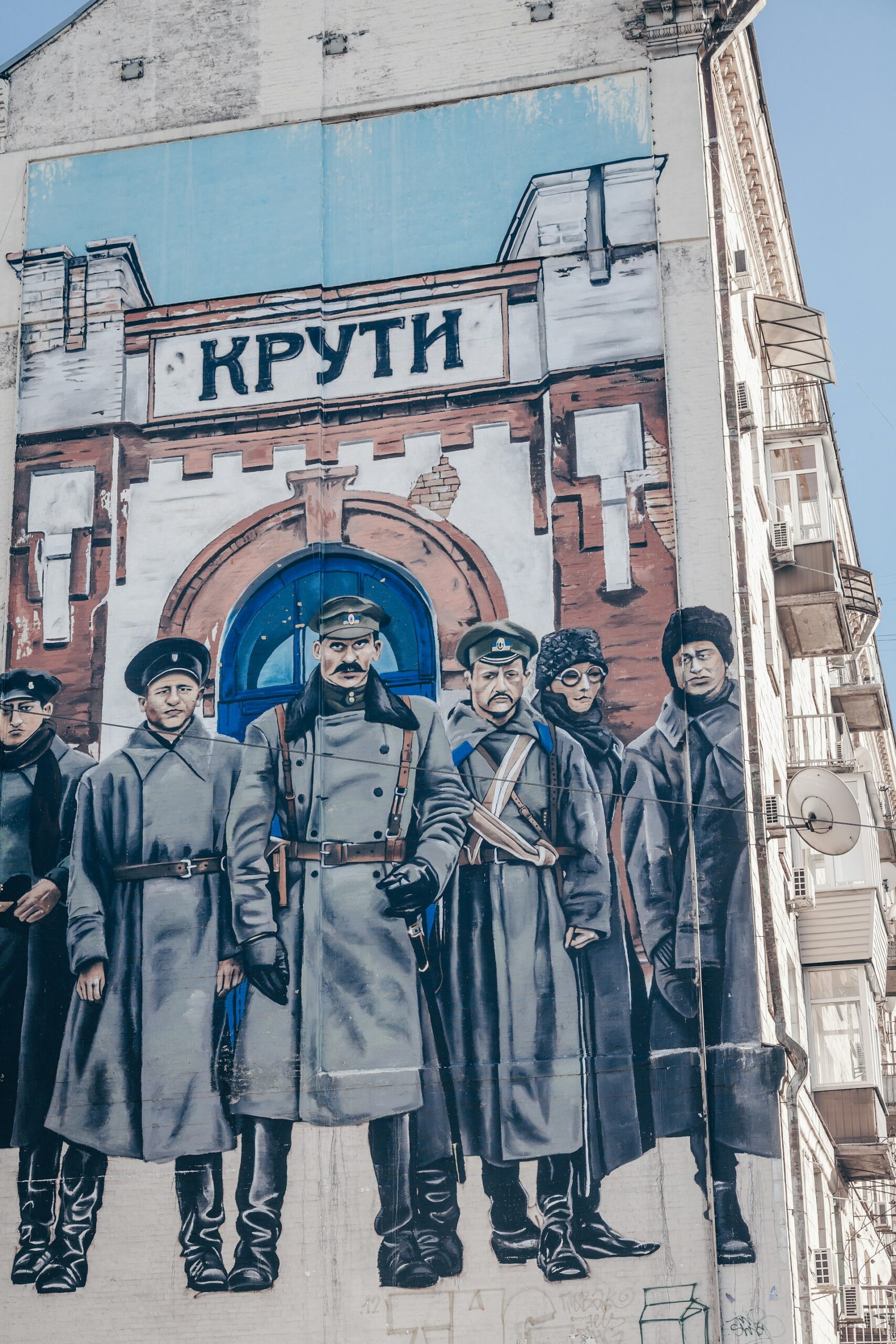

Photo by Marjan Blan on Unsplash
Introduction: A Nation on the Brink
The Russian Revolution of 1917 stands as one of the most significant turning points in modern history. In a single tumultuous year, centuries of imperial rule collapsed, paving the way for the world’s first communist state. This guide explores the origins, events, and lasting impact of the Revolution, providing a detailed roadmap for understanding and researching one of the twentieth century’s most transformative episodes.
[1]
Background: Seeds of Unrest
The roots of the 1917 Revolution stretch deep into Russia’s past. By the early twentieth century, the Russian Empire was plagued by social inequality, economic hardship, and political repression. The strains of World War I only intensified public dissatisfaction:
- Millions of peasants and workers faced poverty and hunger, as resources were diverted to the front lines.
- The Tsarist government struggled with ineffective leadership and widespread corruption.
-
Ethnic minorities suffered severe repression and exclusion from political life.
[3]
By 1917, Russia’s army was demoralized, with mass desertions and mutinies undermining the war effort. Revolutionary ideas spread rapidly among workers, soldiers, and intellectuals.
[2]
The February Revolution: Toppling the Tsar
On March 8, 1917 (February 23 in the Julian calendar), demonstrations erupted in Petrograd (now St. Petersburg) as peasants, workers, and soldiers protested shortages, war casualties, and poor living conditions.
[1]
The unrest quickly escalated. By March 15, after much of the Petrograd garrison joined the revolt, Tsar Nicholas II abdicated the throne, ending the Romanov dynasty’s three-century rule. A Provisional Government, led by liberal and moderate socialist politicians, took power, promising reforms and continued participation in World War I.
[2]
Despite initial optimism, the Provisional Government struggled to meet popular demands for peace, land, and bread. The Petrograd Soviet, an influential council of workers’ and soldiers’ deputies, emerged as a rival center of power, further destabilizing the political landscape.
[1]
The Return of Lenin and the April Theses
In April 1917, Vladimir Lenin, the exiled leader of the Bolsheviks, returned to Petrograd with German assistance. Lenin’s
April Theses
called for an immediate end to the war, transfer of power to the soviets, and land redistribution. He condemned the Provisional Government as incapable of fulfilling the revolution’s promises.
[2]
Lenin’s uncompromising stance attracted wide support among radicalized workers and soldiers, but also provoked fierce opposition from moderate socialists and conservatives. The stage was set for a power struggle that would define the course of Russian history.
The Summer Crisis and the Kornilov Affair
Throughout the summer of 1917, Russia’s internal crises deepened. The failed June Offensive against German forces weakened morale and intensified demands for change.
[2]

Photo by Museum of New Zealand Te Papa Tongarewa on Unsplash
In July, mass demonstrations in Petrograd (the July Days) challenged the Provisional Government’s authority, but the uprising was suppressed. Many Bolshevik leaders, including Lenin, were forced into hiding or exile.
[1]
In August, General Lavr Kornilov attempted a military coup to restore order, but his move failed, strengthening the Bolsheviks and further discrediting the Provisional Government.
[2]
The October Revolution: Bolsheviks Seize Power
By the autumn of 1917, the Provisional Government had lost nearly all credibility. Food shortages, military defeats, and political paralysis fueled widespread discontent. The Bolsheviks, under Lenin’s leadership, gained majority support in the Petrograd and Moscow Soviets.
[3]
On October 24-25 (November 6-7, Gregorian calendar), Bolshevik-led Red Guards and revolutionary soldiers launched a carefully coordinated insurrection. Key government buildings, communications centers, and infrastructure were seized. The Winter Palace, seat of the Provisional Government, was stormed, and power passed to the soviets.
[1]
Kerensky, head of the Provisional Government, fled, marking the end of the brief experiment with liberal democracy. The Bolsheviks declared the immediate withdrawal of Russia from World War I and began implementing radical reforms.
Immediate Aftermath and Civil War
The Bolsheviks acted quickly to consolidate their rule. In March 1918, they signed the Treaty of Brest-Litovsk, ending Russia’s involvement in World War I at great territorial cost.
[2]
However, the revolution triggered a bitter civil war between the Bolshevik Red Army and various anti-Bolshevik forces (the Whites), foreign interventionists, and nationalist movements. The conflict raged until 1922, when the Bolsheviks emerged victorious, leading to the establishment of the Union of Soviet Socialist Republics (USSR).
Researching the Russian Revolution: Practical Guidance
Those seeking to further explore the Russian Revolution of 1917 can access a wealth of primary documents, academic analyses, and multimedia resources. While many reputable websites and archives are available, it is crucial to verify the authenticity and credibility of sources before relying on them for research or educational purposes.
Recommended Steps for Comprehensive Research:
-
Start with established encyclopedias such as
Encyclopaedia Britannica’s Russian Revolution Timeline
for a chronological overview and essential facts.
[1]
-
Consult university resources, like the
Havighurst Center at Miami University’s Centennial of the Russian Revolution
, for in-depth commentary and curated materials.
[2]
-
Explore digitized primary sources and timelines on the
Marxists Internet Archive
for original party documents, speeches, and decrees.
[3]
- For academic articles and detailed studies, use institutional libraries or search databases such as JSTOR or Project MUSE. These often require institutional access or subscriptions.
- When searching for additional resources, use verified search terms such as “Russian Revolution 1917 primary sources,” “Bolsheviks October Revolution scholarly articles,” or “Petrograd Soviet historical analyses.” Always verify the credibility of the publisher or archive.
If you are a student or educator, your local or university library may provide access to specialized archives, rare documents, or expert guidance for your research. Public libraries can often request materials through interlibrary loan or direct you to digital collections.
Challenges and Alternative Perspectives
The history of the Russian Revolution is complex, with interpretations varying widely among scholars. Some emphasize the role of grassroots activism and popular movements, while others focus on the leadership of Lenin and the Bolsheviks or the failures of the Provisional Government. When exploring this topic, consider consulting multiple sources and perspectives to gain a balanced understanding.
Challenges in researching this period include language barriers, propaganda, and the politicization of historical narratives. Whenever possible, seek out recent scholarship, peer-reviewed publications, and archival documents with critical commentary.
Key Takeaways
The Russian Revolution of 1917 was a watershed moment that ended imperial rule, triggered a civil war, and led to the creation of the Soviet Union. Its legacy continues to shape world politics, social theory, and debates about revolution and reform to this day. For those wishing to understand or teach this period, a wealth of verified resources and research pathways are available-always ensure the credibility of your sources to build an accurate and nuanced understanding.