Rivalry Beyond Earth: The Space Race During the Cold War
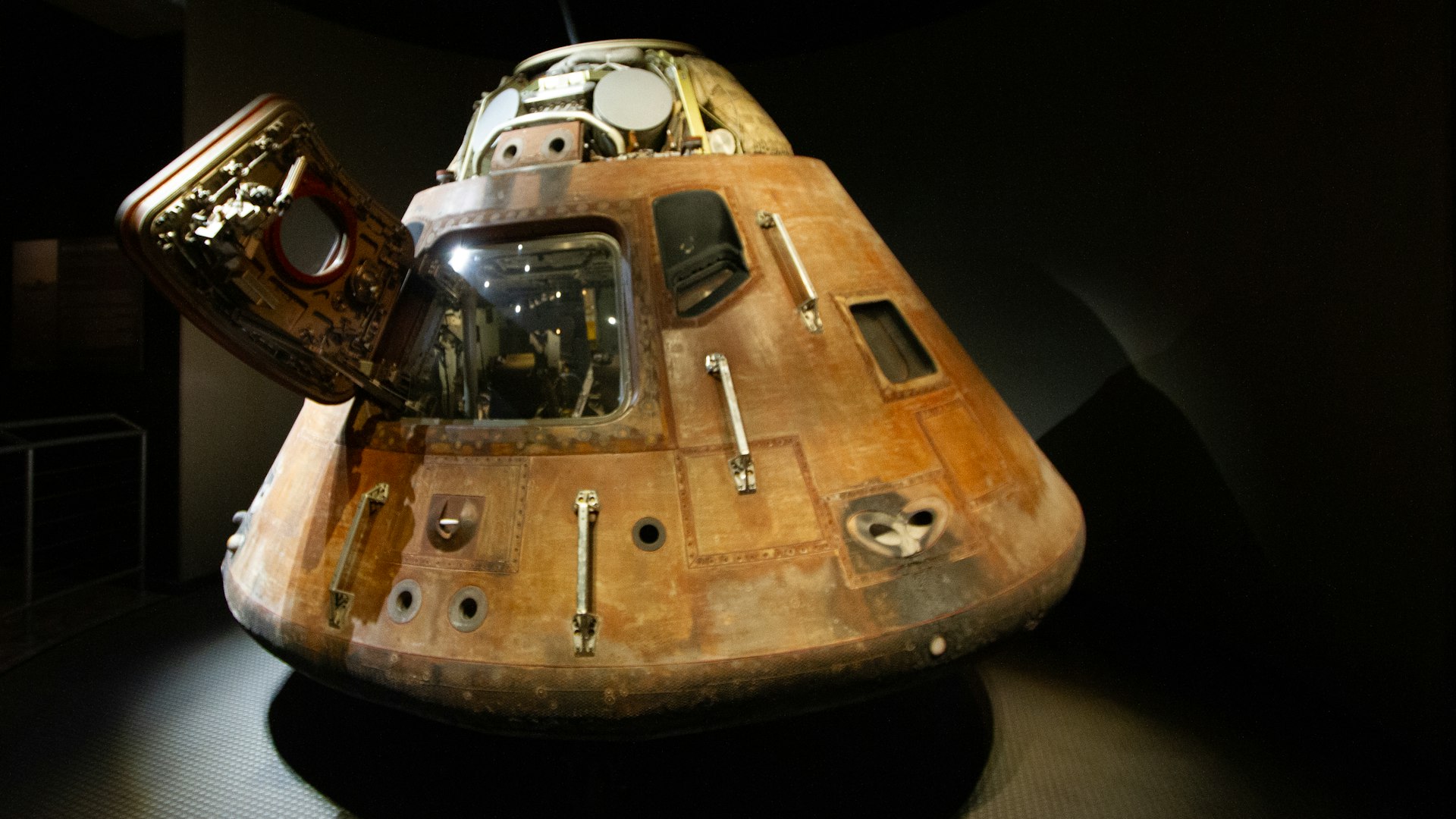

Photo by Frederick Wallace on Unsplash
The Origins of the Space Race
The Space Race was a fierce, high-stakes rivalry between the United States and the Soviet Union, lasting from the late 1950s until the mid-1970s. Born from the broader geopolitical and ideological struggle of the Cold War, this contest was not merely about technological prowess-it was about demonstrating national superiority on a global stage. The roots of the Space Race can be traced to the aftermath of World War II, when both superpowers sought to harness German missile technology and expertise. This led to rapid advances in rocketry and the creation of specialized government agencies, such as NASA (established by the US in 1958) and the Soviet space program, each tasked with pushing the boundaries of what was technologically possible [1] [2] .
Sputnik and the Shock of the Century
The Space Race officially began on October 4, 1957, when the Soviet Union launched Sputnik 1 , the world’s first artificial satellite, into orbit. This achievement stunned the United States and sent shockwaves through the international community. The Soviets quickly followed with Sputnik 2 -carrying the first living creature, a dog named Laika-further underscoring their early lead. The US responded with the launch of Explorer 1 in January 1958, marking America’s entry into space and the discovery of the Van Allen radiation belt, a crucial scientific milestone [2] .
Escalation: Humans in Space
The race accelerated dramatically in April 1961, when Soviet cosmonaut Yuri Gagarin became the first human to orbit Earth aboard Vostok 1 . This triumphant achievement was both a technological marvel and a powerful propaganda victory for the USSR. In response, the US launched Alan Shepard on a suborbital flight a month later and, in February 1962, John Glenn became the first American to orbit Earth. These milestones were public events, closely followed by millions worldwide, and each mission carried profound symbolic significance for its respective country [3] .
The Moon: The Ultimate Prize
With the stakes rising, President John F. Kennedy issued a bold challenge in 1961: to land an American on the Moon before the decade’s end. This ambitious goal became the centerpiece of the American Apollo program, which required rapid innovation, massive investment, and unprecedented coordination. Meanwhile, the Soviets pursued their own lunar ambitions, achieving significant firsts such as the first spacewalk by Alexei Leonov and the first successful impact on the Moon’s surface by Luna 2 [1] [2] .
The Apollo Triumph and Aftermath
The Space Race reached its dramatic climax on July 20, 1969, when Neil Armstrong and Buzz Aldrin became the first humans to walk on the Moon. Watched by a global audience, this event marked a defining moment in human history and symbolized the technological and ideological triumph of the United States. The Apollo program continued with further Moon landings, while the Soviet Union redirected its efforts toward the development of space stations, achieving the first crewed docking and extended stays aboard Salyut 1 [2] .
Legacy: From Rivalry to Cooperation
The conclusion of the Space Race is often marked by the Apollo-Soyuz Test Project in 1975, a joint US-Soviet mission that symbolized a thaw in Cold War tensions and ushered in a new era of international cooperation in space. The competition had driven extraordinary advances in science, technology, and engineering, with profound impacts on communications, materials science, and computing. Many of these innovations continue to shape our world today [1] .

Photo by Maria Moroz on Unsplash
Accessing Space Race Resources and Further Information
If you are interested in exploring the history of the Space Race in greater depth, consider the following approaches:
- Visit national museums with space exhibits, such as the Smithsonian National Air and Space Museum in Washington, D.C., or the Science Museum in London. These institutions often provide online archives and interactive timelines.
- Search for official government resources by visiting NASA’s website and using search terms like “Space Race history” or “Apollo program archives.” NASA offers extensive multimedia collections, mission documentation, and educational resources.
- For Soviet and Russian space history, consider researching through Roscosmos, the Russian space agency, or academic databases with translated archival material.
- University libraries and academic publishers frequently offer detailed analyses, oral histories, and primary source documents chronicling Cold War space activities.
Should you wish to engage with educational programs or exhibits, check local science centers or planetariums, as many offer specialized lectures and interactive learning experiences related to space exploration history.
Step-by-Step Guide: How to Access Authoritative Space Race Information
- Identify Key Institutions: For US history, begin with NASA. For Soviet/Russian history, consult Roscosmos and reputable academic organizations.
- Search Official Archives: Use phrases like “NASA history program,” “Apollo mission records,” or “Space Race timeline” on the respective agency’s websites.
- Consult Verified Educational Resources: Museums, university archives, and national libraries often host digital collections. Use their search functions for terms such as “Cold War,” “space exploration,” or “Soviet space program.”
- Explore Multimedia Content: Many agencies and museums provide documentaries, oral histories, and interactive online timelines. These resources offer accessible and engaging overviews of key events and technological achievements.
Potential Challenges and Solutions
Accessing original documentation, especially from Soviet sources, may be limited due to language barriers or archival restrictions. In such cases, you can:
- Seek out English-language academic publications or history books with verified references.
- Engage with international collaborations or university-led translation projects.
- Contact museum curators or academic librarians for guidance on accessing specialized resources.
Alternative Pathways and Further Exploration
Beyond traditional research, consider participating in online forums and educational platforms dedicated to space history, such as NASA’s official YouTube channel or university-sponsored public lectures. These platforms often provide current perspectives, recent discoveries, and expert commentary that complement historical records.
Key Takeaways
The Space Race was a defining chapter in Cold War history, showcasing how competition fueled unprecedented advances in science and technology. Its legacy endures in the ongoing exploration of our solar system and the spirit of international cooperation that now characterizes much of space research. By following the steps above and relying on official sources, you can access a wealth of reliable information and deepen your understanding of this transformative era.