Medieval Universities: Foundations, Growth, and Legacy in Higher Education
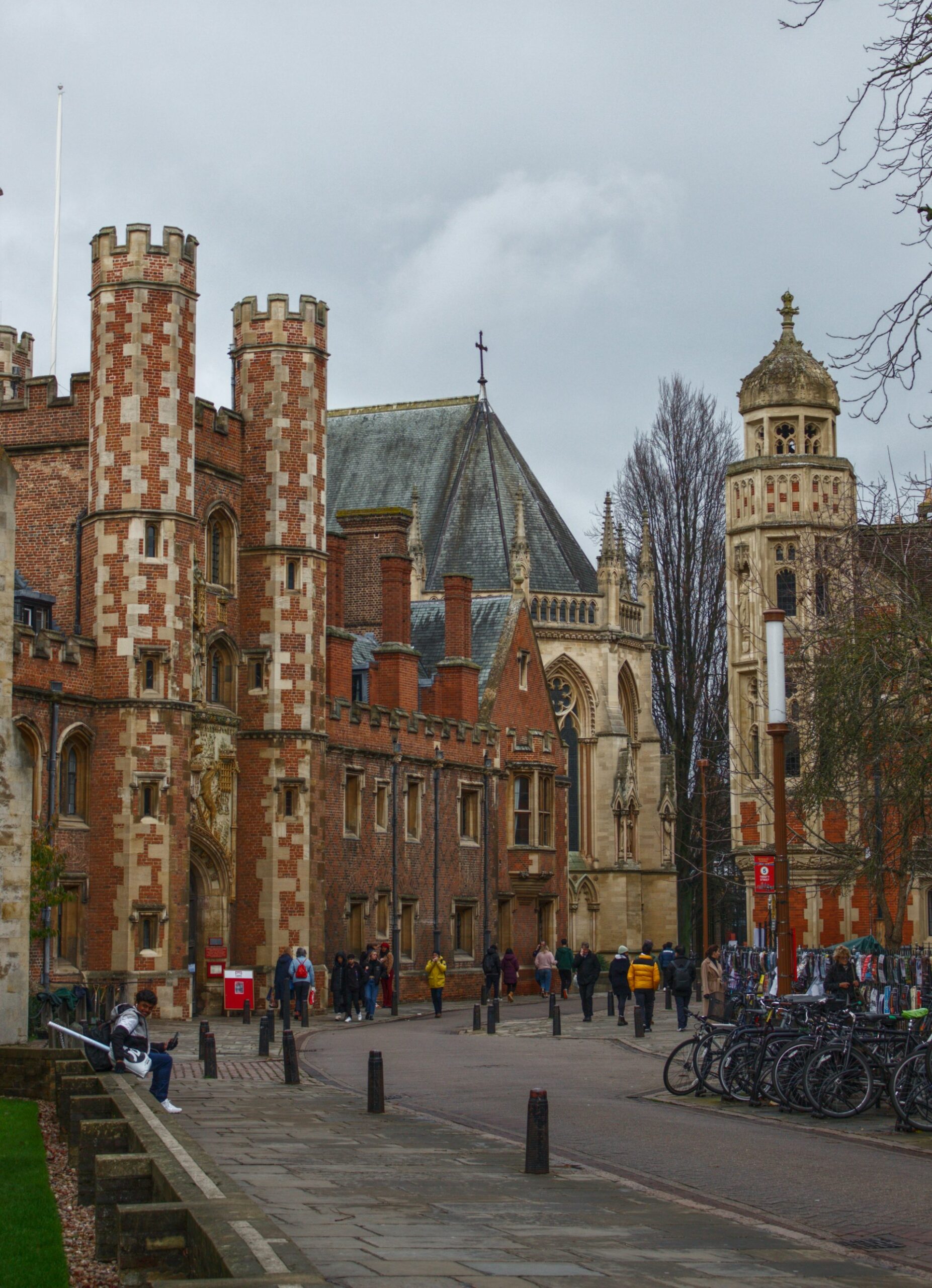

Photo by Stefanos Nt on Unsplash
Introduction: The Dawn of Organized Higher Learning
The rise of medieval universities stands as one of the most transformative chapters in the development of Western education. Emerging between the 11th and 15th centuries, these institutions redefined how society approached knowledge, professional training, and scholarly community. Understanding their history provides not just a window into the Middle Ages, but also a blueprint for how modern universities continue to shape thought and opportunity today [3] .
Origins: From Cathedral and Monastic Schools to University Corporations
Before the creation of universities, advanced learning in Europe was mostly the domain of small cathedral or monastic schools. These schools, linked to religious institutions, focused primarily on scripture and basic literacy for the clergy and elite. Charlemagne, recognizing the importance of education for the stability and prosperity of his realm, initiated broad reforms in the late 8th century. He expanded palace and cathedral schools, broadening their curricula to include the liberal arts, such as grammar, rhetoric, arithmetic, and music-a foundational shift that laid the groundwork for more formalized education systems [1] .
Pope Gregory VII further advanced this movement in 1079 by mandating the creation of cathedral schools. These efforts gradually evolved into institutions with greater autonomy and broader academic ambitions, eventually becoming what we now recognize as universities [3] .
The Birth of the University: Structure and Organization
The term
universitas
originally referred to a guild or corporation-either of teachers or students-within the broader institution, known as the
studium
. By the late 14th century, the word came to exclusively denote a community of scholars and teachers recognized by either ecclesiastical or civil authority. Unlike earlier schools, universities were largely self-regulating and often granted charters by popes, kings, or emperors, giving them a unique legal status and autonomy
[3]
.

Photo by Egor Artamonov on Unsplash
Medieval universities typically consisted of four faculties: arts (the foundational faculty), theology, law, and medicine. Students generally began their studies in the arts before pursuing advanced degrees in the higher faculties. Instruction was delivered through lectures, disputations (formal debates), and commentaries on authoritative texts. This rigorous structure promoted a culture of critical inquiry and debate that set the stage for intellectual developments in Europe for centuries to come [1] .
Key Institutions and Timeline of Expansion
The earliest medieval universities appeared in Italy and France, soon followed by foundations across Europe. Among the most notable early universities are:
- University of Bologna (1088): Widely regarded as the first university in Western Europe, specializing in law.
- University of Paris (c. 1150): Renowned for theology and philosophy, it became a model for many future institutions.
- University of Oxford (c. 1167): Grew rapidly, with a distinct college system forming over time.
- University of Cambridge (1209): Founded by scholars fleeing Oxford, it developed its own unique traditions.
- University of Salamanca (1218), Padua (1222), Naples (1224), and more followed in the 13th and 14th centuries [3] .
A comprehensive timeline of medieval universities, including foundation dates and developmental milestones, can be found through academic resources and scholarly publications. For a detailed chronology, you can search for “A Timeline of Medieval Universities” by Frijhoff (1996) or Rashdall (1895), both of which are cited in reputable repositories such as the Repertorium Eruditorum Totius Europae [2] .
Curriculum, Student Life, and Societal Impact
Students typically entered university between ages twelve and fifteen, often after initial training at local church or grammar schools. The core curriculum was divided into the
trivium
(grammar, rhetoric, logic) and
quadrivium
(arithmetic, geometry, music, astronomy), which formed the foundation for advanced study. University life was rigorous, with long hours of study, attendance at lectures, and participation in formal debates. The social dynamics could be challenging, as students often clashed with local townspeople, leading to the development of distinctive student communities and even the migration of entire universities to new cities
[1]
.
For those interested in experiencing the history of medieval student life, many universities, museums, and historical societies offer guided tours, digital archives, and educational programs. You can search for “medieval university archives” or contact university history departments for access to primary documents and exhibitions.
Challenges and Adaptations
Medieval universities faced numerous challenges, including political interference, religious disputes, and outbreaks of plague that occasionally forced closures or relocations. Despite these obstacles, universities adapted by developing more formal governance structures, codifying academic privileges, and establishing international reputations that attracted students from across Europe. The concept of academic freedom, though far from modern standards, began to take root as universities asserted their right to self-governance and independent scholarship [3] .
Modern researchers or students wishing to explore historical university governance can examine papal bulls, royal charters, and university statutes, many of which are preserved in national and university archives. To access these, consider contacting the relevant university’s library or the national archives of countries such as the UK, France, or Italy.
Legacy and Continuing Influence
The model of the medieval university-autonomous, corporative, and rooted in the pursuit of knowledge-became the foundation for higher education worldwide. By the Early Modern period, this organizational model spread beyond Europe, influencing the development of universities in the Americas, Asia, and Africa. Today, key elements of the medieval system, such as degree hierarchy, faculty structure, and academic dress, persist in modern academia [1] .
If you are interested in learning more about the enduring impact of medieval universities, many scholarly articles and books are available through academic databases such as JSTOR, Project MUSE, or Google Scholar. For those seeking further engagement, consider enrolling in online courses on the history of education or joining historical societies focused on medieval studies.
Accessing Resources and Further Study
To explore the history and legacy of medieval universities in greater depth, you have several options:
- Visit university and national archives for primary documents such as charters, statutes, and student records. Many institutions offer digital collections-search for “digital medieval university archives” for leads.
- Consult academic libraries for reference works like Rashdall’s “The Universities of Europe in the Middle Ages” and Frijhoff’s “A History of the University in Europe”.
- Engage with online scholarly platforms, museum exhibitions, and public lectures-universities often host accessible events or virtual tours on their websites.
- Contact university history or medieval studies departments for expert guidance, recommended reading lists, and opportunities to participate in research projects.
If you require official documentation or rare manuscripts, you may need to request access directly from the archive or library. Be prepared to provide identification and explain your research purpose. For digital resources, start with university library portals and reputable academic websites.
Summary of Key Takeaways
Medieval universities were foundational institutions that reshaped the landscape of higher education. Their origins in cathedral and monastic schools, transformation into autonomous corporations, and innovative approaches to curriculum and academic life set enduring standards for learning and intellectual inquiry. Today, their legacy remains visible in the structures, traditions, and global reach of modern universities. To delve deeper, utilize academic libraries, digital archives, and scholarly publications for authoritative resources and guidance.