
Unveiling the Rise and Fall of Ancient Mesopotamia: Civilization, Innovation, and Transformation
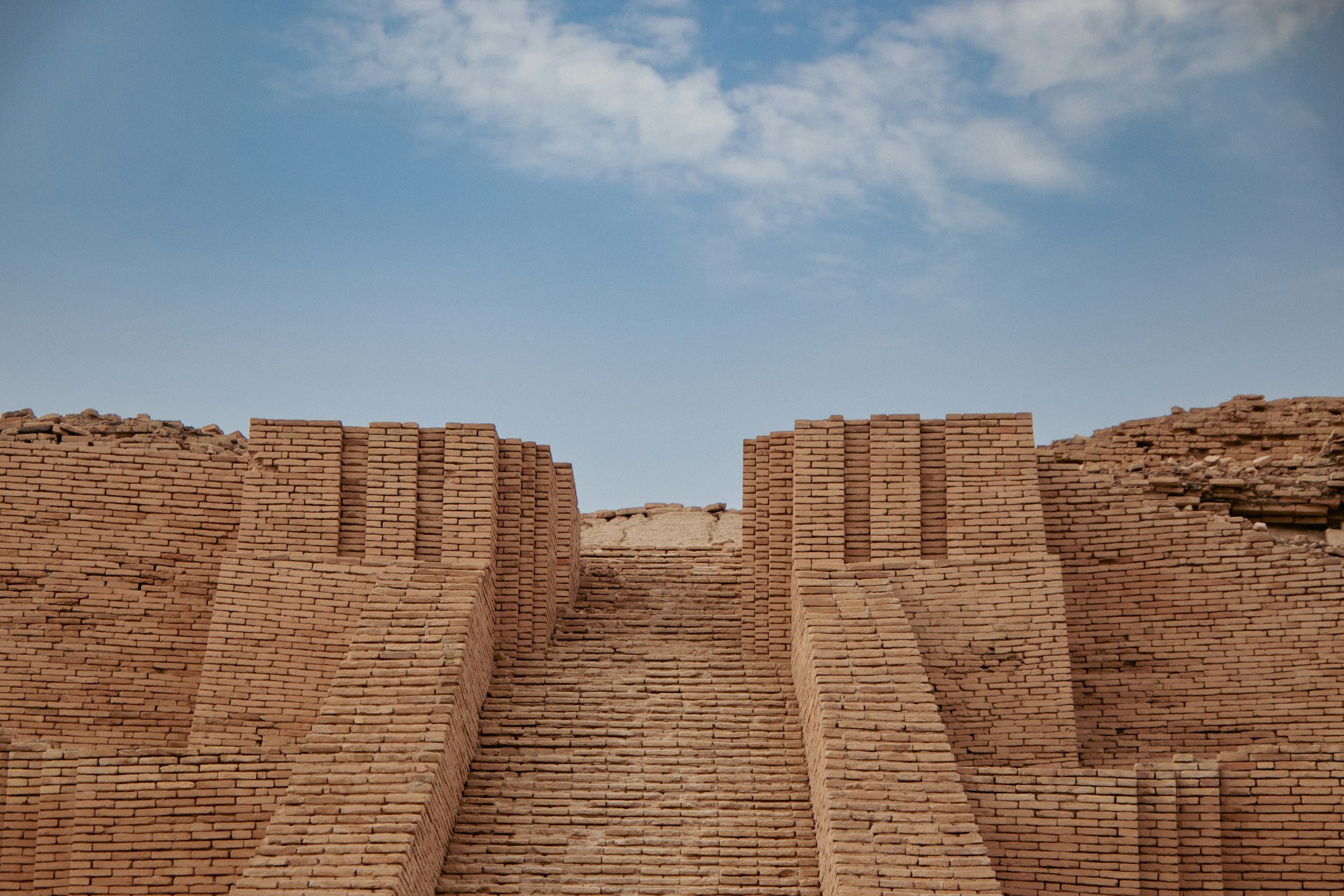

Photo by Tatiana Mokhova on Unsplash
Introduction
Ancient Mesopotamia, often regarded as the cradle of civilization, emerged between the Tigris and Euphrates rivers. Here, humanity first developed cities, written language, and complex government systems. The region’s history spans thousands of years, witnessing remarkable achievements and dramatic declines that continue to captivate scholars and enthusiasts alike. This article explores the rise and fall of Mesopotamian societies, providing verifiable guidance for accessing additional resources and understanding their enduring impact.
The Rise of Mesopotamia: Foundations of Civilization
The earliest agricultural communities in Mesopotamia appeared by 8000 BCE, with settlers in the northern Fertile Crescent laying the groundwork for later urbanization [3] . As farming spread southward along the Tigris and Euphrates, advances in irrigation enabled larger populations and the rise of city-states such as Eridu, Uruk, and Sumer [1] . These cities became centers of monumental architecture, administrative innovation, and artistic expression.
Social hierarchies and religious institutions shaped governance. Priests initially held power, managing resources and religious rites, but gradually, kingship emerged as rulers became more secular and military-oriented [1] . The Sumerians are credited with developing cuneiform writing around 3600 BCE, facilitating record-keeping, legal codes, and literature such as the Epic of Gilgamesh [1] . Early dynasties like Lagash established the first empires, codifying laws and expanding territorial control.
Key Innovations and Achievements
Mesopotamians introduced transformative inventions that shaped world history. Irrigation systems, developed and refined by the Sumerians and later the Akkadians, allowed agriculture to thrive in a challenging environment [2] . The wheel, plow, and advanced pottery techniques boosted productivity and trade.
Architectural marvels such as ziggurats dominated city skylines. These stepped temples served religious, administrative, and economic functions. The Code of Ur-Nammu and later Hammurabi’s Code established principles of justice and governance that influenced subsequent cultures [2] .
To study these innovations, you can access digital archives from major museums. The Metropolitan Museum of Art offers an interactive timeline and curated exhibits detailing Mesopotamian artifacts and technological achievements [3] . Consider searching “Mesopotamian artifacts” on the museum’s website for high-resolution images and scholarly commentary.
Empires and Expansion: The Apex of Power
The Akkadian Empire, founded by Sargon of Akkad around 2334 BCE, marked a turning point in Mesopotamian history. Stretching from the Persian Gulf to Syria, the empire standardized language, administration, and infrastructure [2] . Naram-Sin, Sargon’s grandson, claimed divinity, further centralizing authority.
Subsequent periods saw the rise and fall of dynasties, such as the Gutian interregnum and the resurgence of Lagash under Gudea. The Third Dynasty of Ur, known as the Sumerian Renaissance (2047-1750 BCE), witnessed economic prosperity, monumental building, and the refinement of legal codes [1] .
The emergence of Babylon under Hammurabi transformed Mesopotamia into a major regional power. Hammurabi’s conquests and legal reforms unified disparate territories, but after his death, the empire fragmented and eventually succumbed to external invasions by the Hittites and Kassites [2] .
The Decline: Internal Strife and External Pressures
Mesopotamian societies faced a combination of internal challenges and external threats. Political fragmentation, dynastic struggles, and administrative overreach weakened central authority. Environmental factors-such as salinization of farmland due to irrigation practices-reduced agricultural productivity and contributed to economic decline [3] .

Photo by Birmingham Museums Trust on Unsplash
Foreign invasions played a decisive role in undermining Mesopotamian power. The Gutians, Hittites, Kassites, and later Assyrians and Persians conquered and absorbed Mesopotamian states. The fall of Babylon in 539 BCE to Cyrus of Persia marked the end of Mesopotamian independence, with subsequent Hellenistic and Parthian rule further diluting local traditions [1] .
For those seeking to understand these transitions in depth, the World History Encyclopedia provides a detailed chronology and contextual analysis. You can search “Mesopotamian collapse” or “Babylonian conquest” on their platform for case studies and expert commentary.
Enduring Legacy and Accessing Further Resources
The innovations, legal systems, and cultural achievements of ancient Mesopotamia continue to influence modern societies. From the concept of codified law to urban planning, Mesopotamian legacies are embedded in contemporary thought.
To further explore Mesopotamian history, consider these actionable steps:
- Visit the official websites of major museums, such as the Metropolitan Museum of Art, and use search terms like “Mesopotamian civilization” and “cuneiform archives” to find curated collections and educational materials [3] .
- Access digital timelines and articles through the World History Encyclopedia for a comprehensive overview of major events, rulers, and societal changes [1] .
- Review academic summaries on platforms like Wikipedia, using verified citations for further research into specific dynasties, technological innovations, and historical turning points [2] .
- If seeking scholarly analysis, explore university digital archives or contact history departments for recommendations on reputable books, journals, and online courses.
Many museums also host virtual tours and webinars on Mesopotamian culture. You can register for these events by visiting museum websites and searching for “Mesopotamian history webinar” or “virtual exhibit.” For more academic engagement, consider reaching out to professional organizations such as the Archaeological Institute of America for upcoming conferences and lectures.
Challenges and Alternative Pathways
Accessing primary sources or rare artifacts can be challenging due to geographic, language, or institutional barriers. When direct museum visits are not possible, utilize digital repositories, open-access journals, and online lectures from accredited universities. Some institutions provide free translations of key texts, such as the Epic of Gilgamesh and Hammurabi’s Code.
If you encounter paywalls or restricted resources, consider using public libraries, requesting interlibrary loans, or searching for open educational resources (OER) related to ancient history. Many academic databases offer free abstracts and summaries that provide a reliable starting point for deeper investigation.
Summary and Key Takeaways
The rise and fall of ancient Mesopotamia reflects the dynamic interplay of innovation, governance, environmental adaptation, and external pressures. By leveraging museum archives, digital timelines, and scholarly databases, you can access a wealth of information and continue exploring the contributions and transformations of this foundational civilization.
References
- World History Encyclopedia (2025). Timeline: Mesopotamia. Detailed chronology and historical overview.
- Wikipedia (2025). History of Mesopotamia. Comprehensive summary and citations on empires and cultural developments.
- Metropolitan Museum of Art (2025). Mesopotamia, 8000-2000 B.C. Timeline of art and innovation.