The History of Propaganda and Mass Media: From Ancient Roots to Digital Influence
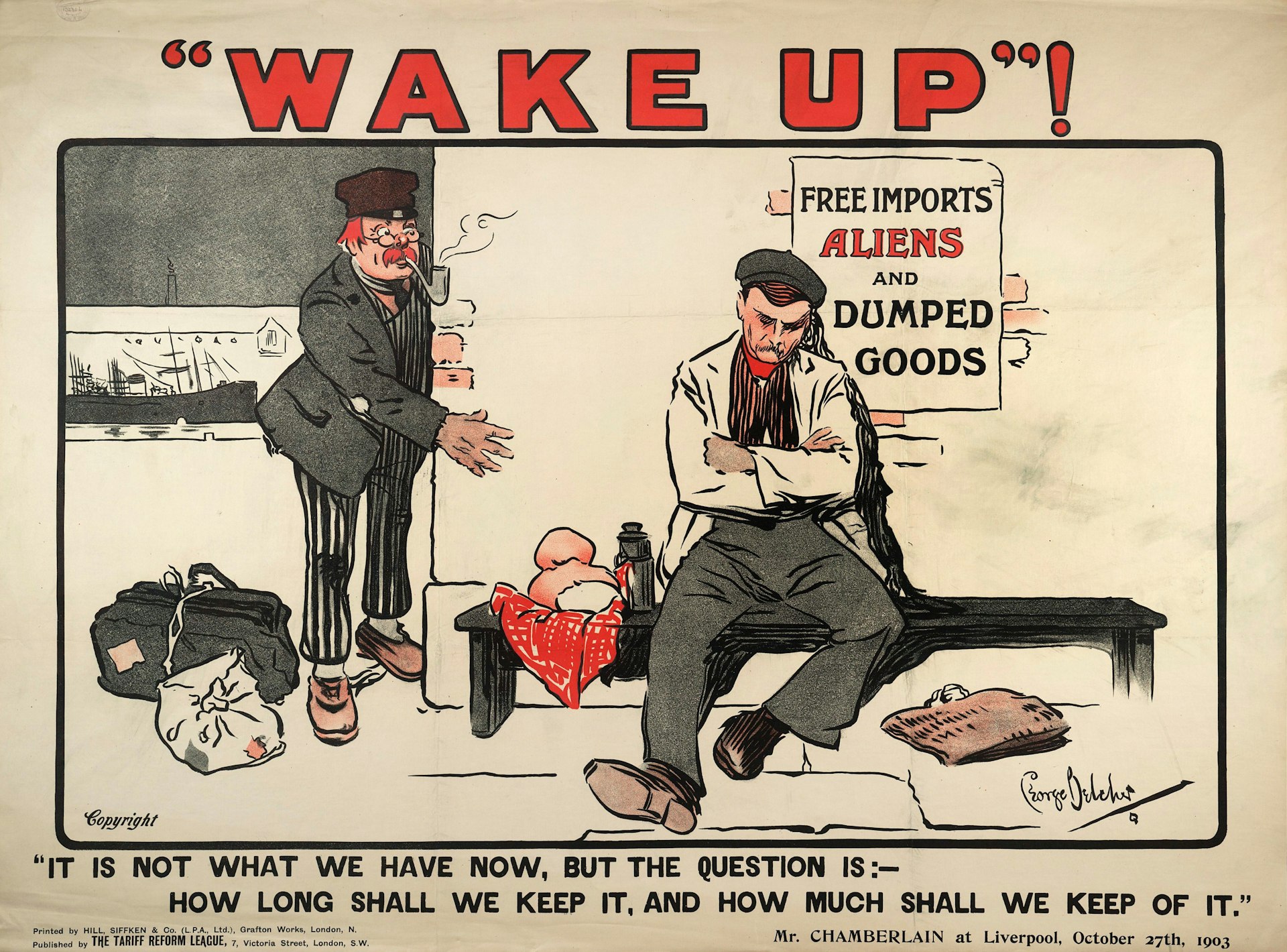

Photo by LSE Library on Unsplash
Introduction to Propaganda and Mass Media
Propaganda has long been intertwined with the development of mass media, serving as a tool for governments, movements, and leaders to influence public opinion. Emerging as a modern phenomenon in the 19th century, it gained momentum with the rise of literate societies and widespread media like newspapers and posters [1] . This article traces its history from early examples to the digital age, highlighting how innovations in communication amplified its reach and effectiveness.
Ancient and Early Roots of Propaganda
While the term “propaganda” entered common usage around World War I, its practices date back thousands of years. In ancient Greece, around 350 BCE, the Indian text
Arthashastra
outlined strategies for material gain through information manipulation, marking one of the earliest documented approaches to influencing perceptions
[7]
. During the medieval period, such as the War of the Irish between 1100 and 1200, narratives were crafted to rally support and demonize opponents, laying groundwork for organized persuasion.
By the 18th century in America, propaganda appeared in pamphlets like Thomas Paine’s
Common Sense
in 1776, which mobilized public demand for independence from Britain. Benjamin Franklin spread disinformation about British-allied Native American atrocities, while
The Federalist Papers
, written under pseudonyms, swayed opinion toward ratifying the U.S. Constitution
[1]
. These efforts demonstrated how printed media could unify diverse populations around political causes, setting a precedent for mass influence.
19th Century: Birth of Modern Propaganda
The 19th century marked propaganda’s transformation into a systematic tool, fueled by rising literacy and mass media. Political cartoons by artists like Thomas Nast became powerful weapons, satirizing corruption and shaping voter sentiment in the U.S. [4] . In Europe, the French Revolutionary and Napoleonic Wars saw British cartoonists like James Gillray produce satirical works circulated across continents, mocking enemies and bolstering national morale [1] .
This era’s innovations included the political cartoon’s emergence as an accessible visual medium, allowing complex ideas to reach illiterate audiences. Challenges arose from limited distribution, but solutions like wide printing and international smuggling expanded reach. For instance, Gillray’s cartoons influenced public discourse in Britain and abroad, proving visuals could rival text in persuasive power. Alternatives included pamphlets and speeches, but cartoons offered concise, memorable impact.
World War I: The First Mass Media Propaganda War
World War I represented a turning point, with governments launching large-scale propaganda campaigns via emerging mass media. Britain and Germany ramped up poster production, films, and recruitment drives to justify the war, encourage enlistment, and demonize foes [1] . In the U.S., President Woodrow Wilson’s Committee on Public Information (CPI), led by George Creel, mobilized “Four-Minute Men” for speeches at public events, alongside posters and films to sell war bonds and support entry into the conflict in 1917 [2] [1] .
Radio’s infancy-first voice transmission in 1919-limited real-time refutation of lies, exacerbating misinformation [4] . Posters depicted enemies as barbaric, rallying civilians; for example, U.S. campaigns censored press and themed speeches around unity. Post-war backlash against perceived manipulation led to skepticism, highlighting risks of overreach. To implement similar efforts today, researchers recommend studying archival posters for techniques like emotional appeals, while cross-verifying sources mitigates falsehoods.
Interwar Period and Totalitarian Rise
The 1920s and 1930s saw propaganda evolve with radio and film. In Russia, the Bolsheviks used propaganda trains and aircraft like the ANT-20 “Maxim Gorky” post-1917 Revolution
[1]
. The fraudulent
Protocols of the Elders of Zion
fueled antisemitic conspiracies, repurposed by White Russians abroad.
Nazi Germany’s ascent in 1933 epitomized this era: Adolf Hitler appointed Joseph Goebbels to head the Reich Ministry for People’s Enlightenment and Propaganda, controlling film and media for fascist aims [1] [2] . The 1936 Berlin Olympics served as a propaganda showcase, masking militarism [9] . Clem Whitaker and Leone Baxter’s Campaigns Inc. pioneered political consulting in the U.S., using newsreel-style ads [2] . Challenges included censorship resistance; solutions involved embedding messages in entertainment. Key takeaway: Total control amplified reach but bred distrust upon exposure.
World War II: Propaganda’s Golden Age
World War II intensified media use, with all sides employing film, radio, and television. Goebbels orchestrated Nazi efforts, while the U.S. Office of War Information (1942) centralized communication, censored news, and documented social shifts [2] . Grey and black propaganda via stations like Voice of America and Radio Moscow targeted enemies and neutrals [1] .

Photo by Geoff Thatcher on Unsplash
Britain’s pre-invasion Operation Himmler faked Polish aggression to justify attacking Poland in 1939 [1] . U.S. posters rallied enlistment, as seen in collections of home front imagery [6] . Post-war, the UK’s Information Research Department (1948) targeted the Third World via BBC and journalists [1] . To analyze these, review timelines for patterns: emotional visuals outperformed dry facts, but ethical lapses eroded credibility long-term.
Cold War and Late 20th Century Developments
The Cold War extended propaganda through radio: CIA-backed Radio Free Europe broadcast to Eastern Bloc nations, countering Soviet Radio Moscow [1] . South Africa’s apartheid regime ran a global campaign from 1972-1990s, bribing media and buying newspapers like The Citizen to sway Western opinion [3] .
Political ads like the 1964 U.S. “Daisy Girl” exploited nuclear fears against Barry Goldwater [6] . Television’s commercial rise post-WWII enabled synchronized sound films from 1927 onward [4] . Challenges: Audience fragmentation; solutions: targeted broadcasts. Examples include MI6’s Operation Mass Appeal planting Iraq WMD stories pre-2003 [5] .
Modern Era: Digital Mass Media and Disinformation
Today, digital platforms supercharge propaganda, echoing historical tactics with bots, deepfakes, and infodemics. Icons like Che Guevara’s poster and concepts like “spin doctors” and fact-checking emerged alongside terms like “Weapons of Mass Destruction” misinformation [5] . Conspiracy theories-9/11 inside jobs, moon landing hoaxes-thrive online, much like WWI lies.
To navigate this, develop media literacy: verify sources, cross-check claims, and use tools like fact-checkers. Steps include assessing author credibility, checking dates, and seeking primary evidence. Alternatives: Diverse news consumption avoids echo chambers. Historical lessons warn of echo chambers amplifying falsehoods, as in Nazi film control or Cold War radio wars.
Key Takeaways and Ongoing Relevance
The history reveals propaganda’s adaptation to media-from pamphlets to algorithms-always exploiting trust for control. While WWI posters mobilized millions, today’s social media scales globally, demanding vigilant countermeasures. Understanding this evolution equips individuals to discern manipulation, fostering informed societies.
References
- Wikipedia: History of Propaganda (Accessed 2025). Comprehensive timeline from 18th century to Cold War.
- PR Museum: PR Timeline. Key PR events in mass media age, including CPI and WWII efforts.
- ICFJ: Short Guide to Fake News History (2018). Covers South Africa propaganda war.
- SMU Physics: Brief History of Propaganda. Early media developments like radio.
- TeachJustNow: History of Propaganda Timeline (2024). Modern examples including digital hoaxes.
- Norwich University: History of American Propaganda Posters. WWI and political ads like Daisy Girl.
- Global Challenges: Propaganda Timeline in 12 Dates. Ancient origins like Arthashastra.
- AHA: The Story of Propaganda. Origins and WWI usage.
- USHMM: Nazi Propaganda Timeline (2015). 1936 Olympics example.